21 Printable Sashiko Patterns Available for Download
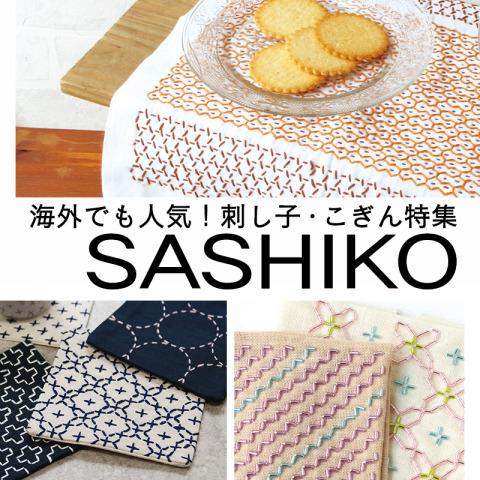
From the Main Building 3F sales floor, we’re giving away downloadable Sashiko patterns you can start using right away!
They’re perfect for making Sashiko dishcloths with “SARASHI – Pre-Cut Cotton Fabric”, or for stitching directly onto our triple-layer gauze handkerchiefs, which can be used as actual handkerchiefs once finished.
*Unauthorized use, reproduction, or redistribution of the pattern images or PDF files is strictly prohibited.
目次
- Sashiko Pattern 1. “Sashiko Alphabet Patterns”
- Sashiko Pattern 2. “Shippo”
- Sashiko Pattern 3. “Seigaiha”
- Sashiko Pattern 4. “Asanoha”
- Sashiko Pattern 5. “Kira-kira Dots & Flower Checkered”
- Sashiko Pattern 6. “Kompeito”
- Sashiko Pattern 7. “Hanazashi”
- Sashiko Pattern 8. “Kakushippo”
- Sashiko Pattern 9. “Hoshiami”
- Sashiko Pattern 10. “Marubishamon”
- Sashiko Pattern 11. “Sayagata”
- Sashiko Pattern 12. “Juji Tsunagi”
- Sashiko Pattern 13. “Chidori Tsunagi”
- Sashiko Pattern 14. “Tobi Asanoha”
- Sashiko Pattern 15. “Hishi Seigaiha”
- Sashiko Pattern 16. “Fundo Tsungai”
- Sashiko Pattern 17. “Nowaki”
- Sashiko Pattern 18. “Yabane”
- Sashiko Pattern 19. “Tate Mimasu”
- Sashiko Pattern 20. “Kagome”
- Sashiko Pattern 21. “Arare Kikko”
- Sashiko Pattern 22. “Idowaku”
- Sashiko Pattern 23. “Kakino-Hana”
- Sashiko Pattern 24. “Jū-no-Ki”
- Sashiko Pattern 25. “Jūji-Zashi”
- Sashiko Pattern 26. “Zenigata-Zashi”
- Let’s Make Sashiko Items Using These Patterns!
- SARASHI – Pre-Cut Cotton
- Recommended Sashiko Threads
- What Is “Sashiko”?
- Enjoying Everyday Life with Sashiko
Sashiko Pattern 1. “Sashiko Alphabet Patterns”

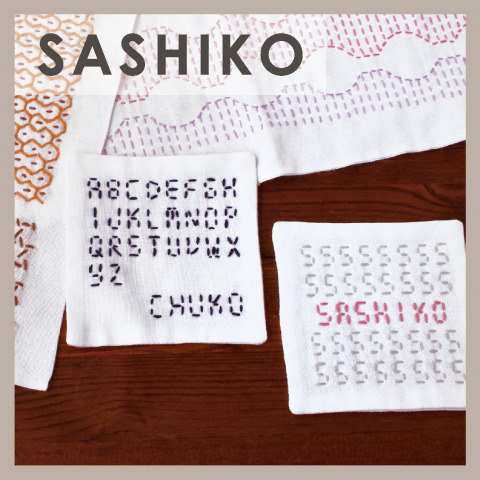
These are alphabet patterns from A to Z, available in 1 cm and 2 cm sizes.
Sashiko Pattern 2. “Shippo”

This pattern features the classic Shippo design, created by overlapping quarter circles and linking them into a delicate, net-like motif.
What does the Shippo pattern mean?
The Shippo pattern is made of repeating circles.
Because the circles continue without end, the pattern is seen as a symbol of good fortune and a long, happy future.
It also represents harmony, balance, and strong connections between people.
Sashiko Pattern 3. “Seigaiha”

This pattern features overlapping fan-shaped waves made from layered semicircles. It is known as the Seigaiha pattern.
What does the Seigaiha pattern mean?
The Seigaiha pattern looks like waves on the surface of the sea.
Because of this, it is often seen as a symbol of the blessings of the wide ocean.
The repeating waves represent lasting happiness and a peaceful life that continues into the future.
Sashiko Pattern 4. “Asanoha”

This pattern features a geometric hexagon design known as the Asanoha pattern.
What does the Asanoha pattern mean?
The Asanoha pattern is inspired by hemp leaves, which grow strong and fast.
It represents a wish for healthy growth and strength.
It is also believed to protect against bad luck.
Sashiko Pattern 5. “Kira-kira Dots & Flower Checkered”

This pattern features the “Kira-kira Dots & Flower Checkered” design.
Sashiko Pattern 6. “Kompeito”

This pattern is called “Konpeito,” because it looks like sparkling sugar candy pieces gathered together.
What does the Konpeito pattern mean?
Like small sparkling pieces of konpeito candy, this pattern represents a wish for little moments of happiness and color to slowly build up in daily life.
Its pointed shape is also believed to push away bad energy and protect positive feelings, like a lucky charm.
Sashiko Pattern 7. “Hanazashi”

This pattern is called “Hanazashi,” made by overlapping curved lines to look like flower petals spreading evenly.
What does the Hanazashi pattern mean?
Hanazashi compares blooming flowers to a joyful and colorful life spreading outward.
Because the curved lines connect like circles, the pattern also represents lasting relationships and peaceful harmony.
Sashiko Pattern 8. “Kakushippo”

This pattern is called “Kakushippo,” where connected squares create flower-like shapes at the crossing points.
What does the Kakushippo pattern mean?
Because the pattern continues without breaks, Kakushippo represents wishes for lasting relationships and peaceful harmony.
The balanced square shapes also symbolize stability and harmony in everyday life.
Sashiko Pattern 9. “Hoshiami”

This pattern is called “Hoshiami,” with diagonal lines crossing like a fishing net.
What does the Hoshiami pattern mean?
Hoshiami is said to represent connections and bonds between people through its net-like crossing lines.
Like tightly stretched ropes, it carries wishes for lasting trust and effort, and for things to grow steadily and bear fruit.
Sashiko Pattern 10. “Marubishamon”

This pattern is called “Marubishamon,” with geometric shapes connected inside circles, inspired by Bishamon kikko patterns.
What does the Marubishamon pattern mean?
Marubishamon is a pattern also known as Bishamon Kikko, and is said to come from Bishamonten, a guardian deity in Buddhism.
It is believed to drive away bad energy and bring good fortune, and is loved as a lucky pattern for protection, business success, and victory.
Sashiko Pattern 11. “Sayagata”
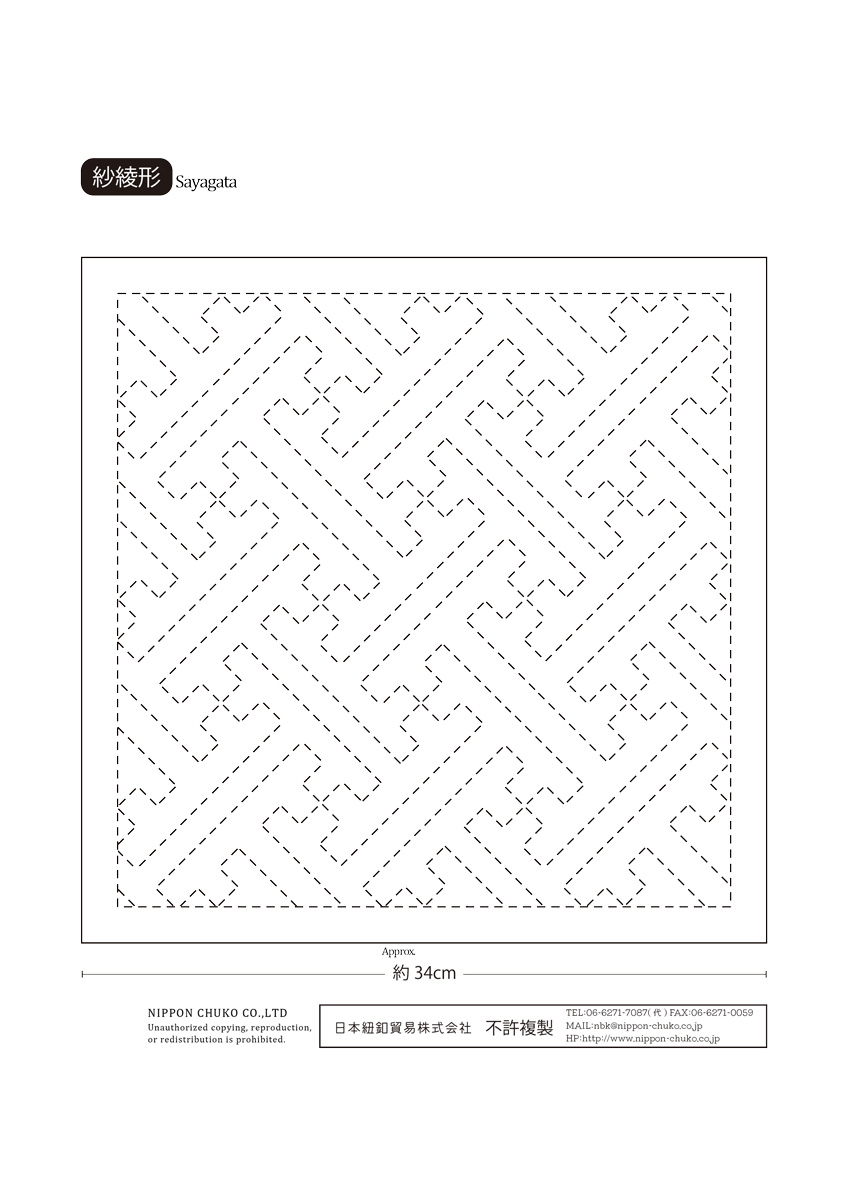
This pattern is called “Sayagata,” made of diagonal lines connected endlessly in a repeating design.
What does the Sayagata pattern mean?
Because the pattern continues without interruption, Sayagata represents wishes for long life, prosperity, and lasting happiness.
It is also used as a symbol of good fortune continuing to flow, bringing family prosperity and business success.
Sashiko Pattern 12. “Juji Tsunagi”
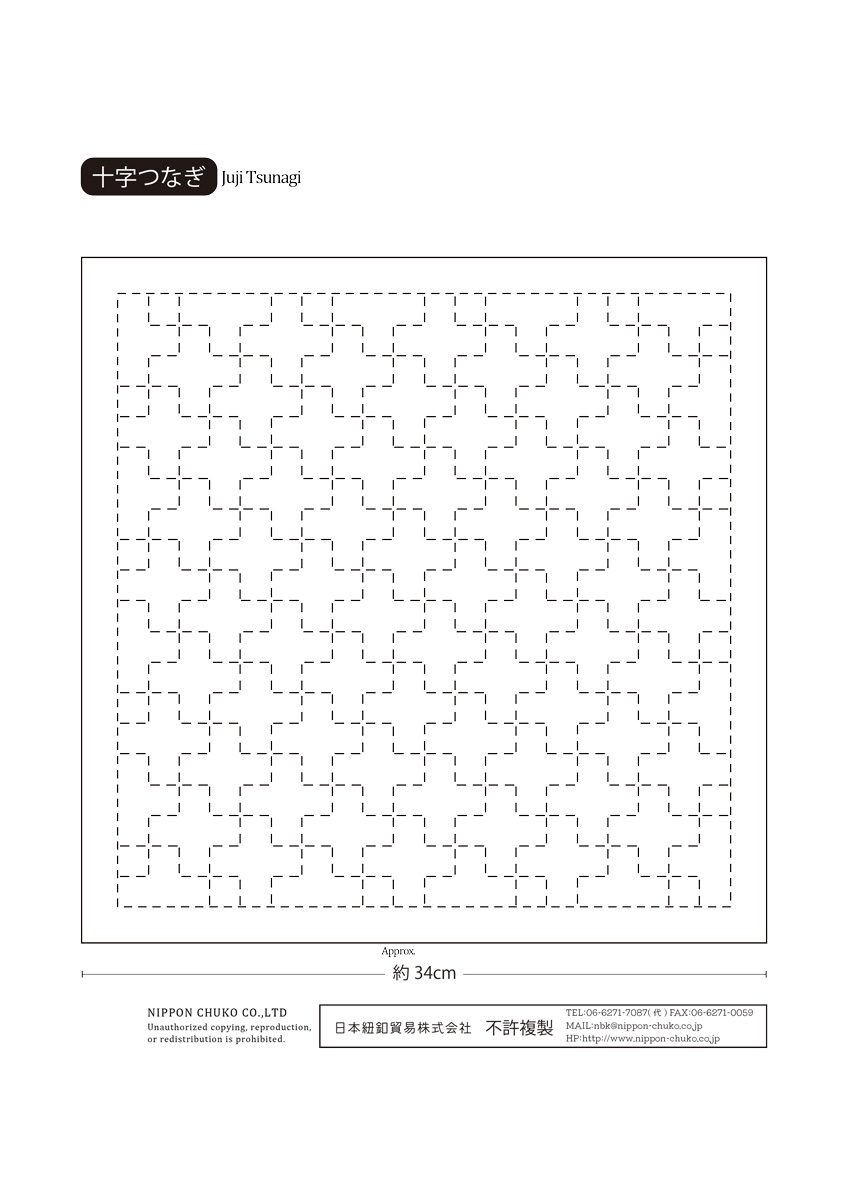
This pattern is called “Juji Tsunagi,” where small crosses are connected in a regular arrangement.
What does the Juji Tsunagi pattern mean?
Because the crosses continue endlessly, Juji Tsunagi represents wishes for lasting connections and expanding relationships.
The crossing shape is also associated with protection and keeping bad luck away.
Sashiko Pattern 13. “Chidori Tsunagi”
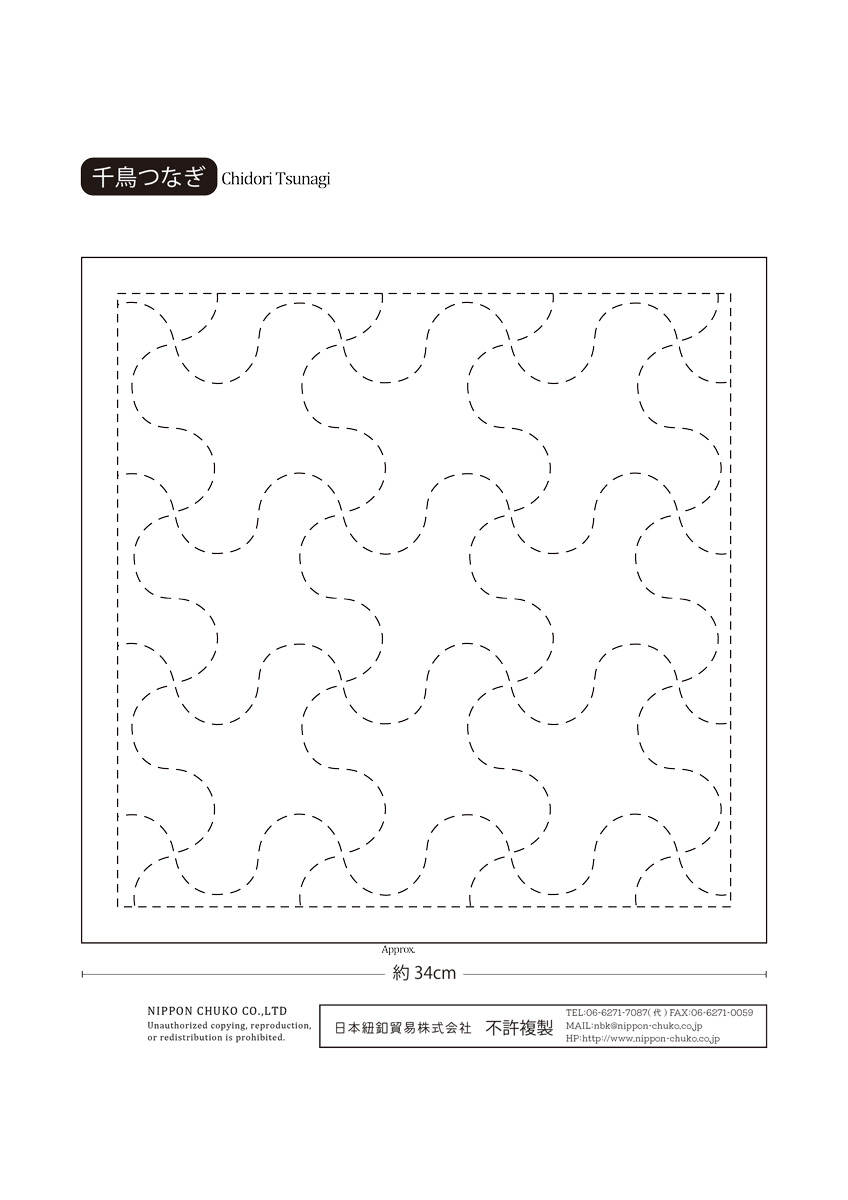
This pattern is called “Chidori Tsunagi,” with small chidori bird shapes connected rhythmically like birds flying over waves.
What does the Chidori Tsunagi pattern mean?
Inspired by chidori birds flying lightly over waves, this pattern represents overcoming difficulties, marital harmony, and family safety.
Because chidori fly in groups, the pattern also symbolizes friendship, harmony, and strong bonds between people.
Sashiko Pattern 14. “Tobi Asanoha”
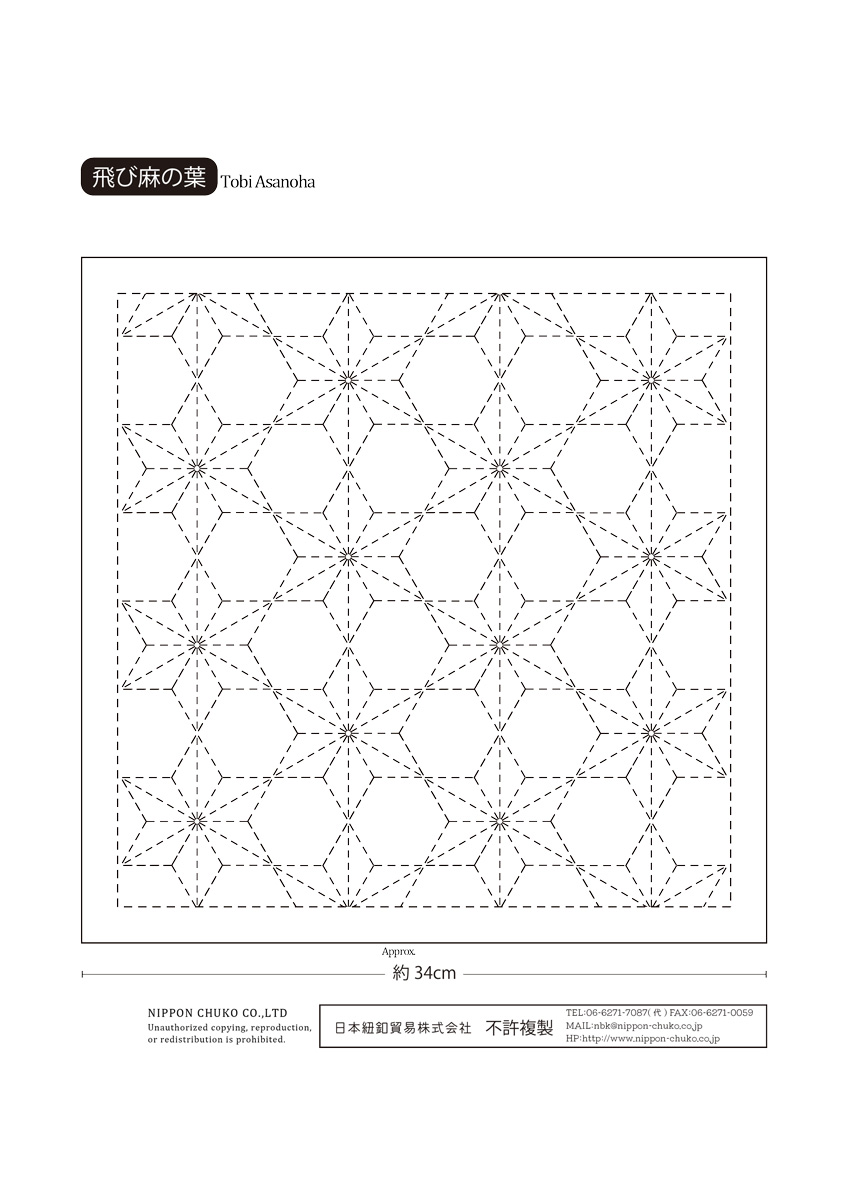
This pattern is called “Tobi Asanoha,” where hemp leaf designs are placed with spaces between them.
What does the Tobi Asanoha pattern mean?
Tobi Asanoha uses separated hemp leaf patterns and represents healthy growth and strength, inspired by the strong life force of hemp.
Like the regular Asanoha pattern, it is also loved as a symbol of protection from bad luck and evil spirits.
Sashiko Pattern 15. “Hishi Seigaiha”
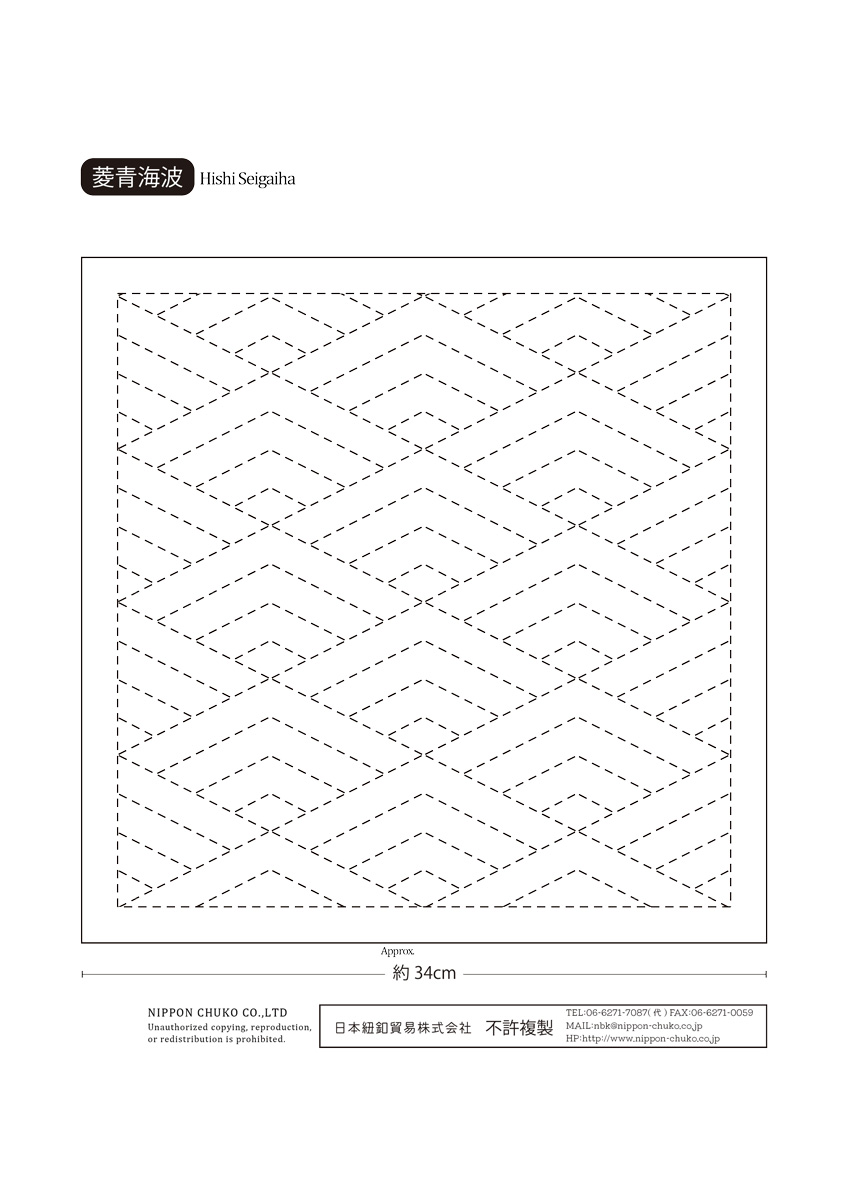
This pattern is called “Hishi Seigaiha,” combining wave designs inside repeating diamond shapes.
What does the Hishi Seigaiha pattern mean?
Hishi Seigaiha combines the calm waves of the Seigaiha pattern with the stability of diamond shapes, representing wishes for a peaceful and calm life.
The endless waves symbolize eternity and prosperity, while the layered diamonds represent harmony and growth.
Sashiko Pattern 16. “Fundo Tsungai”
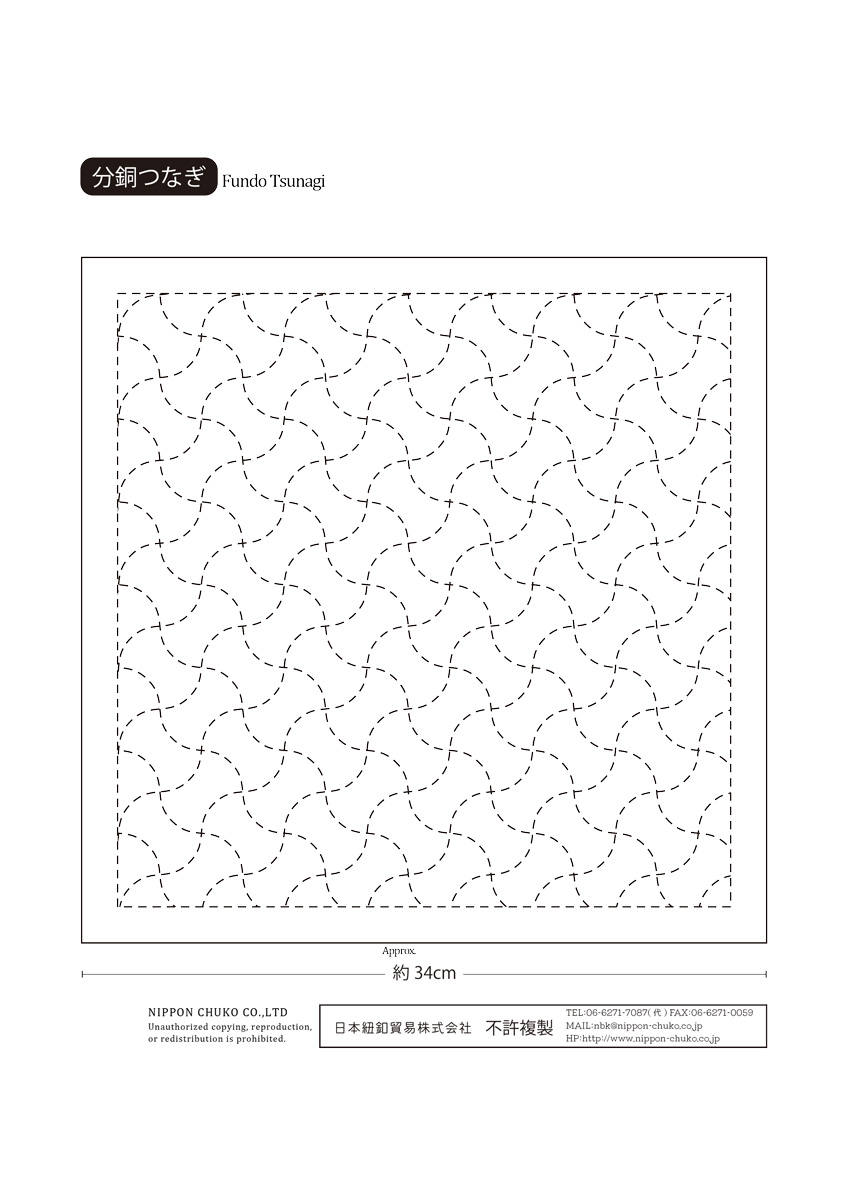
This pattern is called “Fundo Tsunagi,” where old weight shapes are connected like chains.
What does the Fundo Tsunagi pattern mean?
Fundo Tsunagi is a pattern based on traditional balance weights, which are symbols of wealth and prosperity.
Because balance weights are connected with fairness and honesty, the pattern also represents sincere business and a stable life.
Sashiko Pattern 17. “Nowaki”
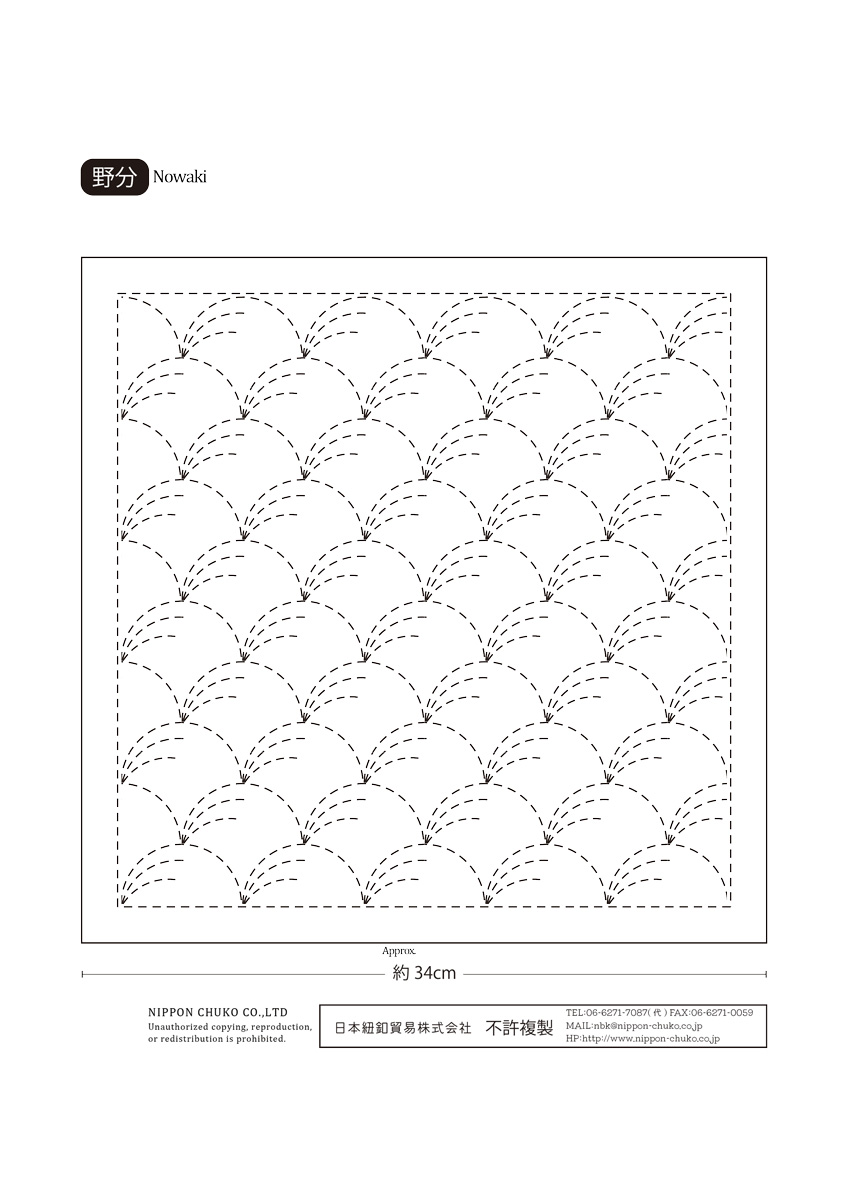
This pattern is called “Nowaki,” using flowing diagonal lines to show the movement of wind and bending grass.
What does the Nowaki pattern mean?
Nowaki represents grass and plants moving in strong autumn winds, expressing the power of nature and the beauty of change.
Its flowing shape also carries the meaning of blowing away bad luck and bringing good fortune.
Sashiko Pattern 18. “Yabane”
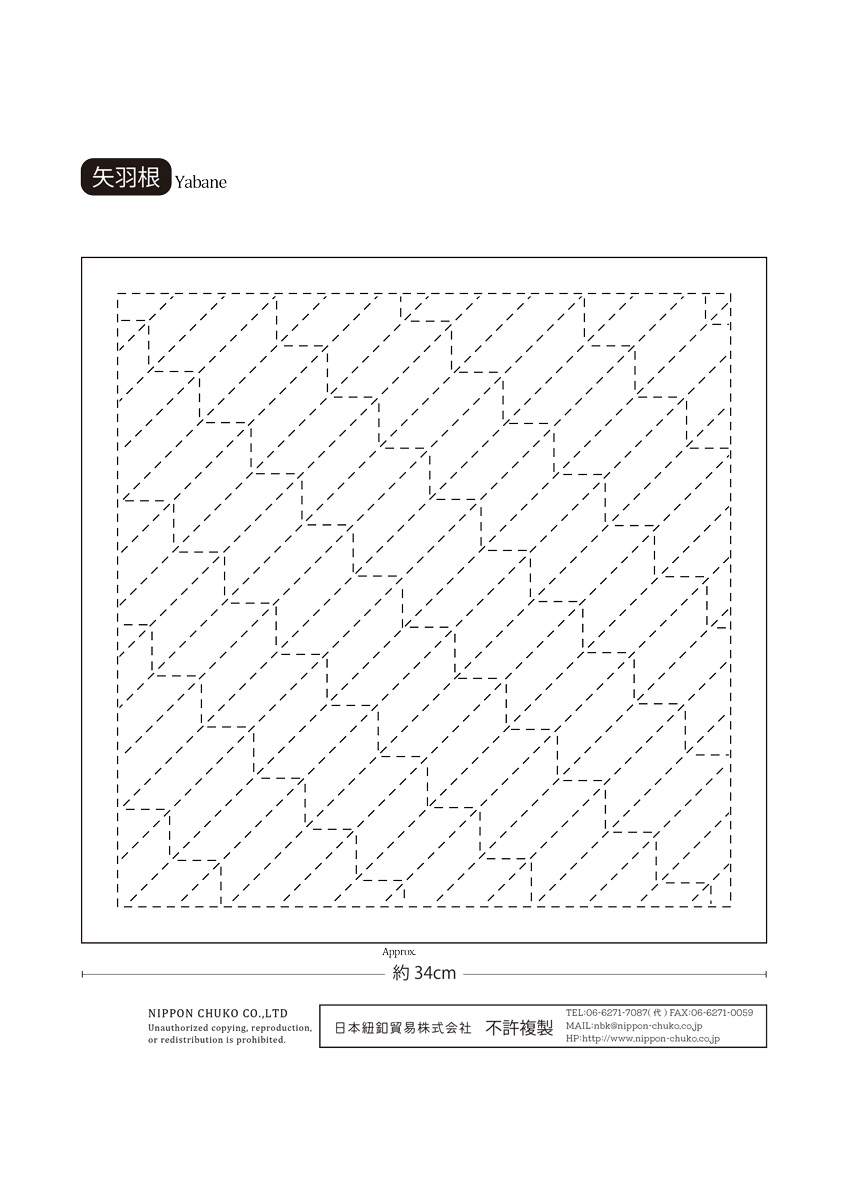
This pattern is called “Yabane,” with repeated shapes that look like arrow feathers.
What does the Yabane pattern mean?
Yabane represents hitting a target, making it a lucky pattern for achieving goals and success.
Because a released arrow never returns, it is also associated with moving forward and leaving bad luck behind.
Sashiko Pattern 19. “Tate Mimasu”
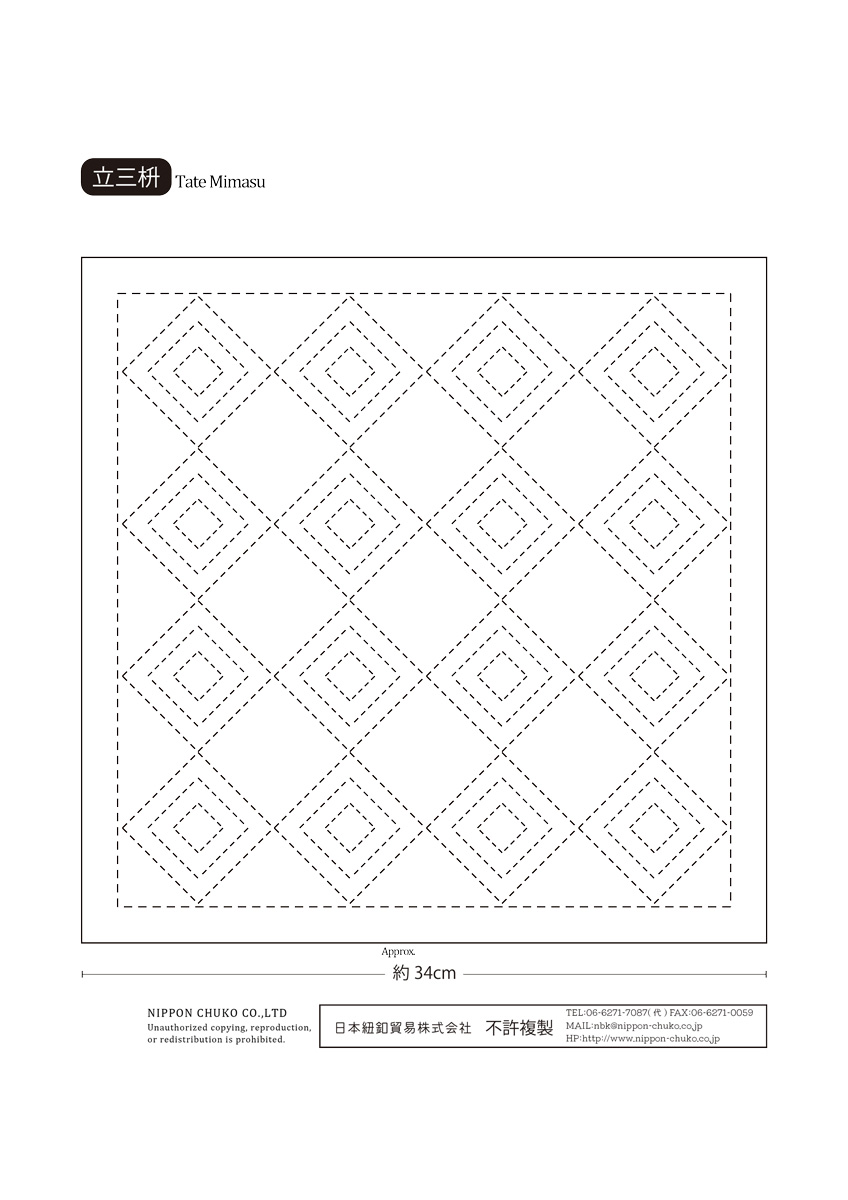
This pattern is called “Tate Mimasu,” with three square masu shapes stacked vertically.
What does the Tate Mimasu pattern mean?
Tate Mimasu is made of three stacked masu measuring boxes, and because “masu” sounds like the Japanese word for “increase,” it symbolizes prosperity, growth, and rising good fortune.
The stacked shapes also represent continued effort and ongoing success.
Sashiko Pattern 20. “Kagome”
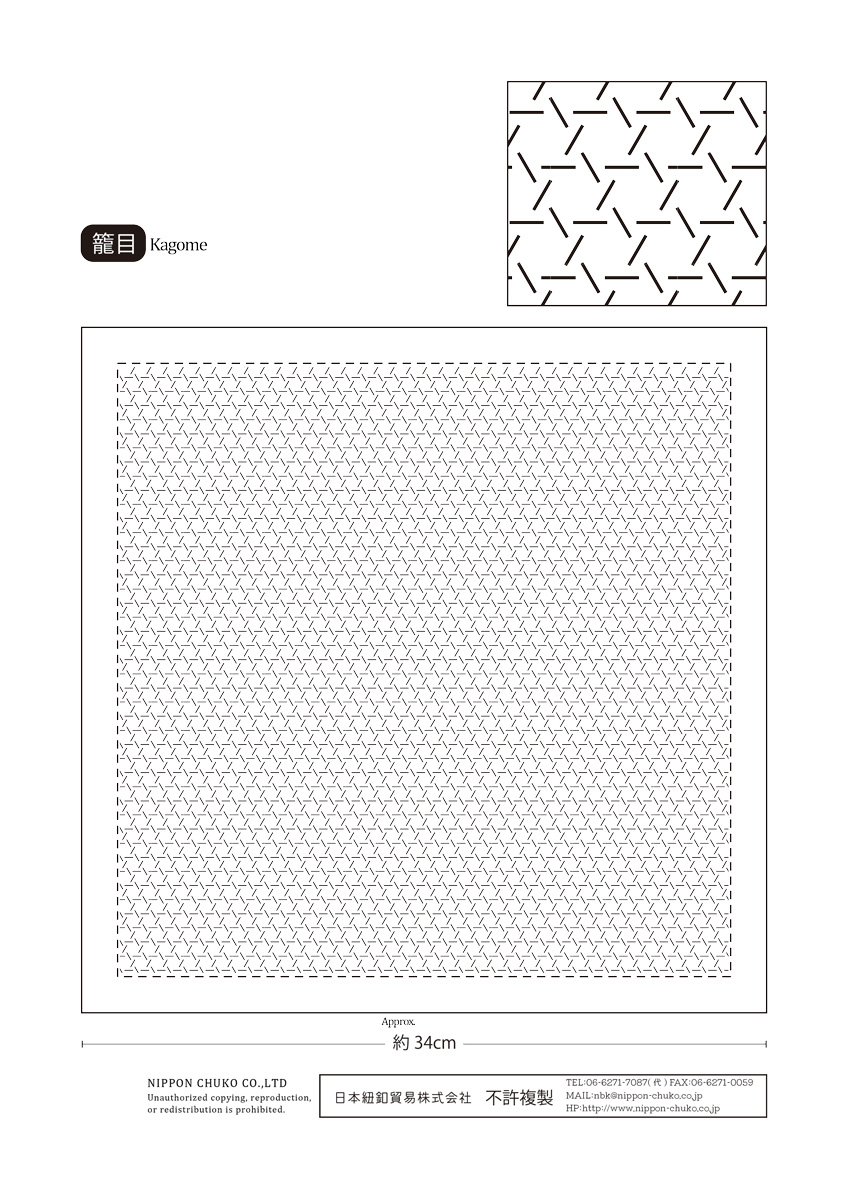
This pattern is called “Kagome,” with connected triangles forming a woven net design.
What does the Kagome pattern mean?
Kagome is inspired by the woven pattern of bamboo baskets, and represents protection from evil and bad luck.
Its strong and orderly design is also loved as a symbol of family safety and personal protection.
Sashiko Pattern 21. “Arare Kikko”
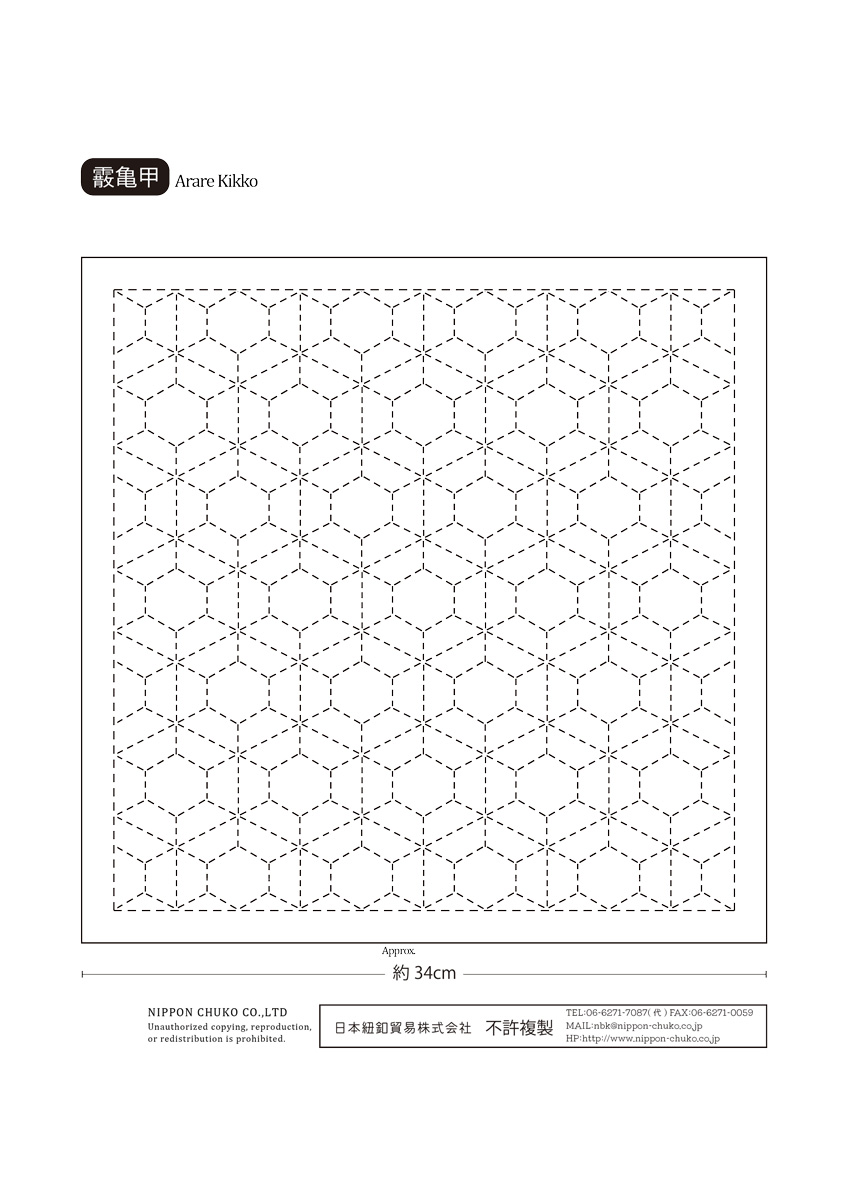
This pattern is called “Arare Kikko,” with small dot-like shapes arranged inside turtle shell patterns.
What does the Arare Kikko pattern mean?
Arare Kikko combines small arare patterns with turtle shell shapes, and represents wishes for long life, prosperity, and protection from bad luck.
The scattered arare shapes also symbolize blessings and happiness falling gently into one’s life, making it a graceful and lucky pattern.
Sashiko Pattern 22. “Idowaku”
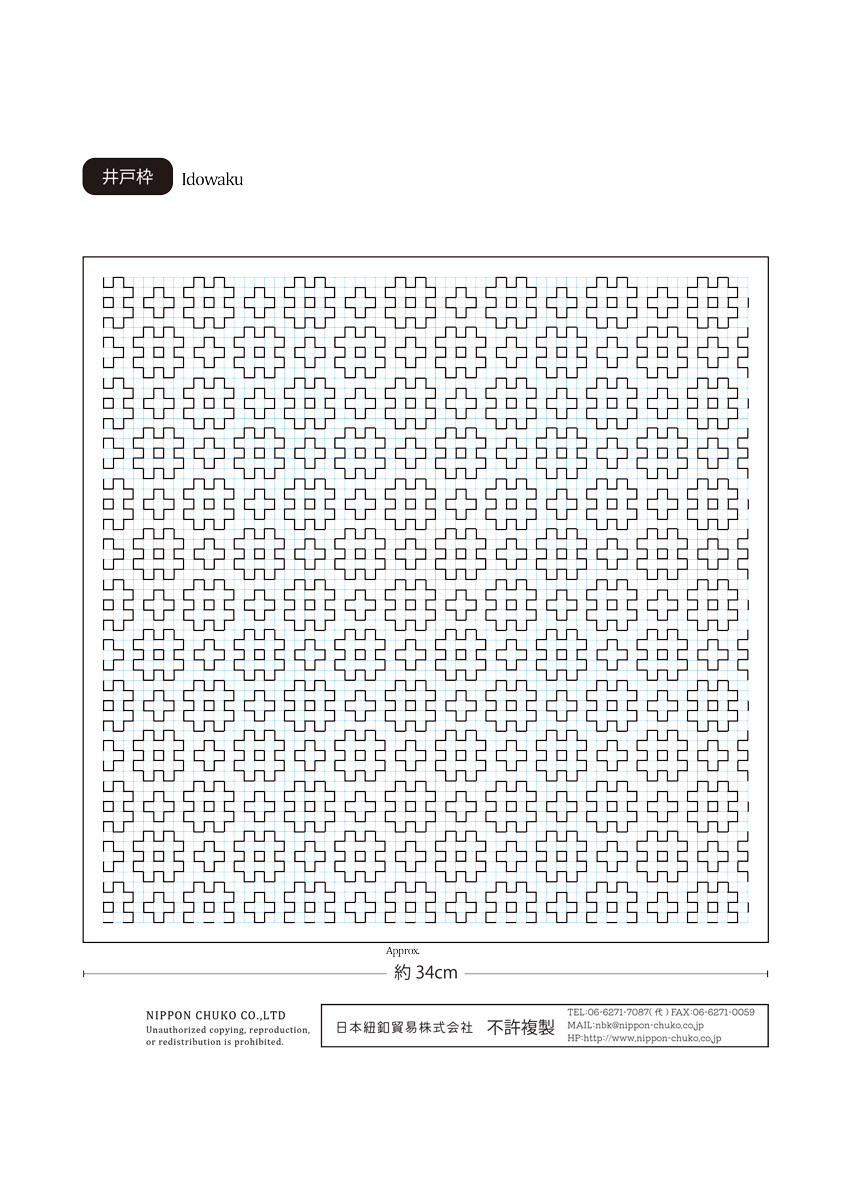
This sashiko design features the “Idowaku” pattern, which uses straight lines to create a geometric representation of the wooden frame built around the top of a well.
What does the Idowaku pattern mean?
Idowaku is a pattern based on the wooden frame built around the top of a well. The frame helped prevent soil and dirt from getting into the well, protecting people’s safety and this important source of water. For this reason, the pattern is associated with wishes for family safety, protection from bad luck, and a safe and peaceful life.
Sashiko Pattern 23. “Kakino-Hana”
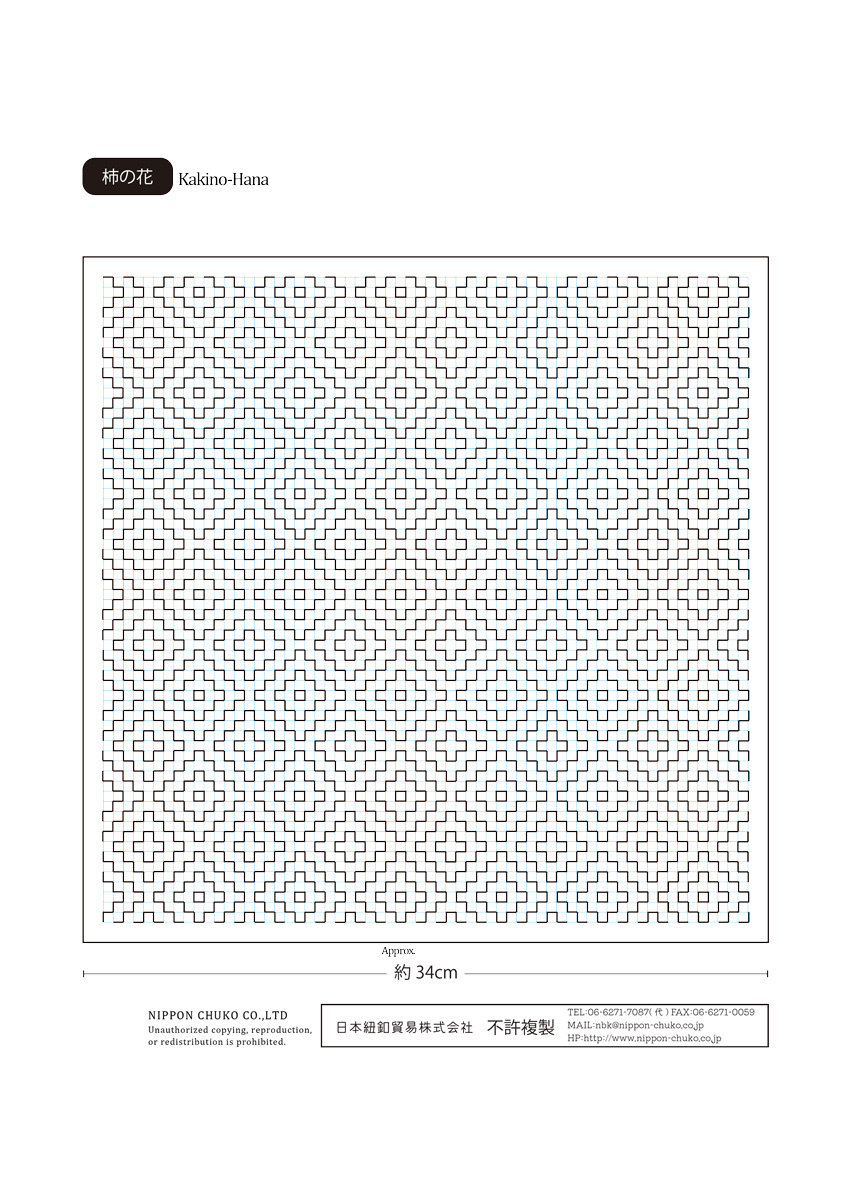
This sashiko design features the “Kakino-Hana” pattern, with shapes resembling persimmon flowers arranged in a regular pattern. The simple, warm design also looks like a row of small flowers.
What Does the Kakino-Hana Pattern Mean?
Kakino-Hana is a pattern based on shapes that resemble persimmon fruits and flowers. Because persimmon trees produce many fruits, persimmons have long been regarded as a symbol of abundance, harvest, and prosperity, and as a lucky symbol.
Sashiko Pattern 24. “Jū-no-Ki”
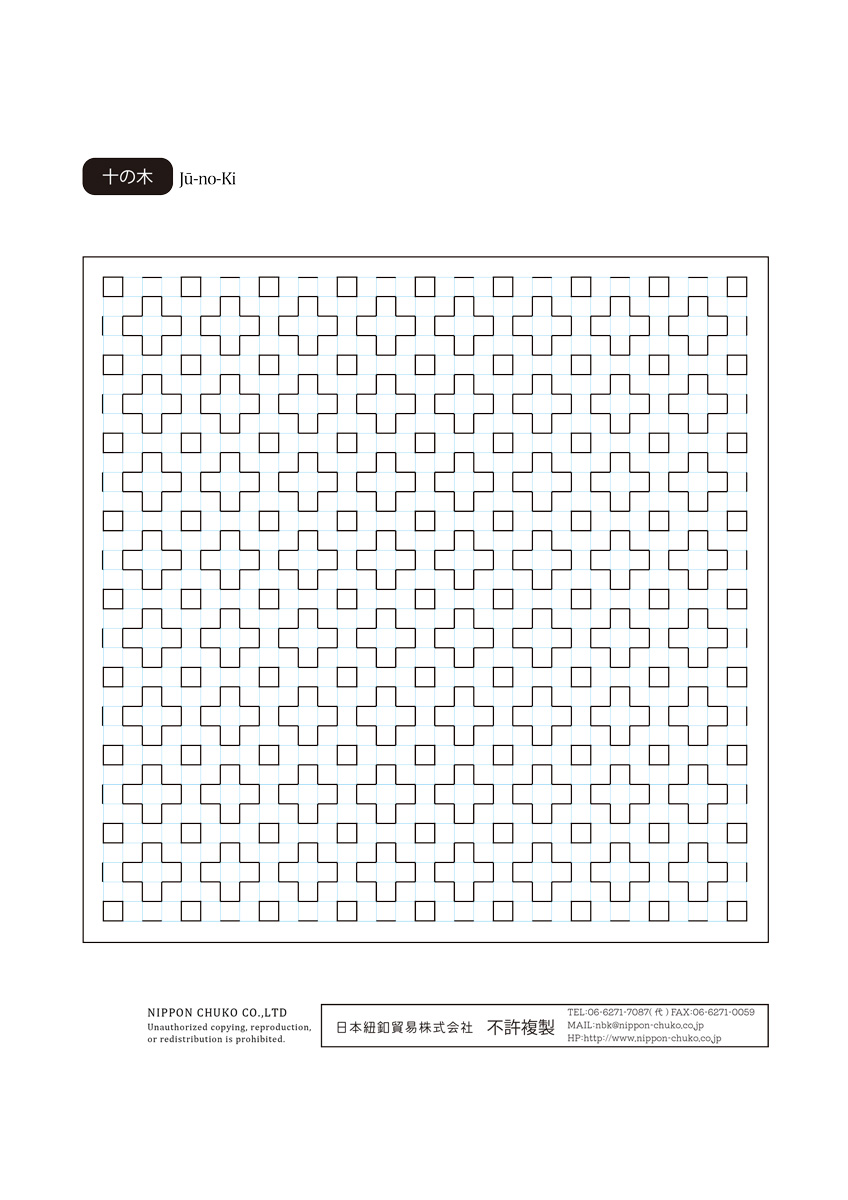
This sashiko design features the “Jū-no-Ki” pattern, with shapes resembling the Japanese character “十” arranged in a regular pattern. The repeated cross-shaped motifs give the pattern a clean yet gentle look.
What Does the Jū-no-Ki Pattern Mean?
Jū-no-Ki is a geometric pattern made by repeating cross shapes. Its simple yet orderly design allows you to enjoy its understated beauty. The name “Jū-no-Ki” is associated with the image of a tree growing straight and spreading its branches and leaves, and the pattern is said to represent wishes for growth, development, and prosperity for the family.
Sashiko Pattern 25. “Jūji-Zashi”
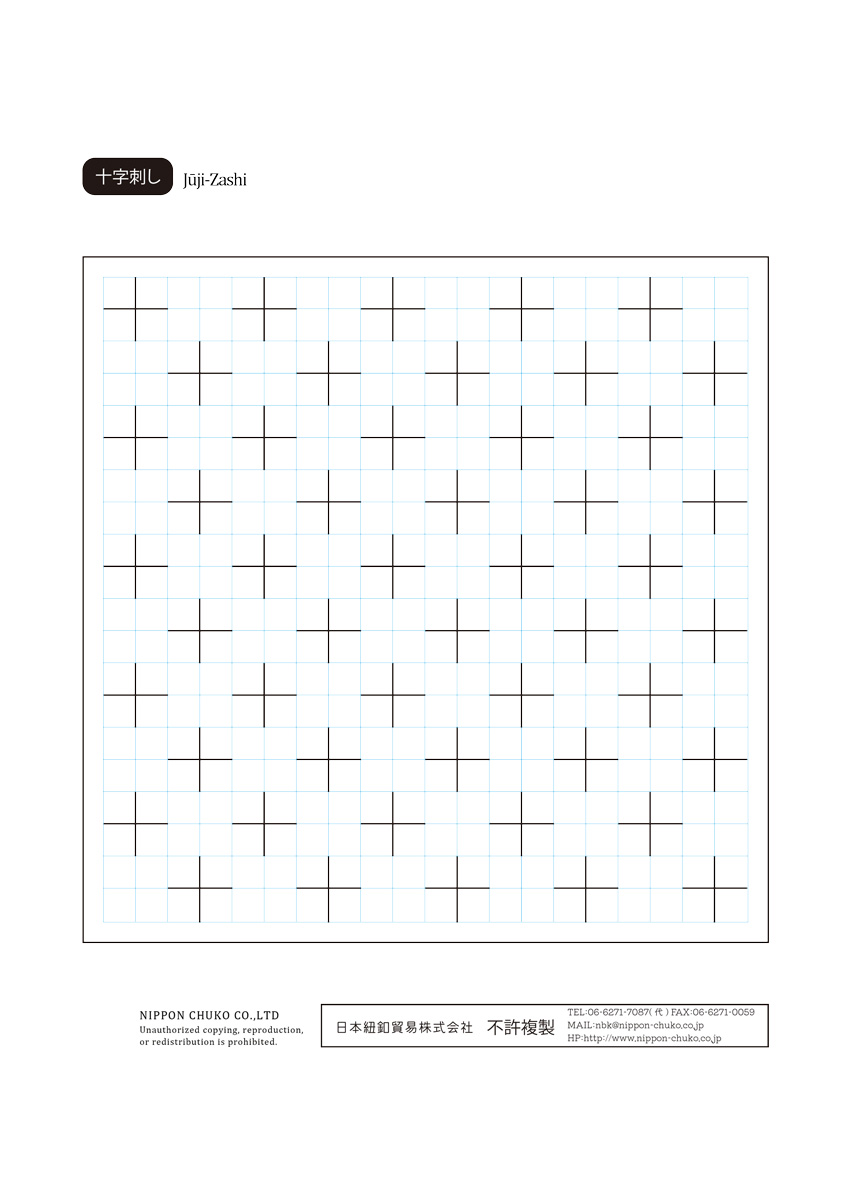
This sashiko design features the “Jūji-Zashi” pattern, with the Japanese character “十” arranged in a regular pattern. The repeated simple cross-shaped motifs create a clean pattern with a sense of rhythm.
What Does the Jūji-Zashi Pattern Mean?
Jūji-Zashi is a pattern made by repeating cross shapes formed by intersecting vertical and horizontal lines. Because the lines come together at the center, the pattern has long been associated with human connections, harmony, and supporting one another.
The intersecting shapes can also represent wishes to ward off bad energy and keep misfortune away.
Sashiko Pattern 26. “Zenigata-Zashi”
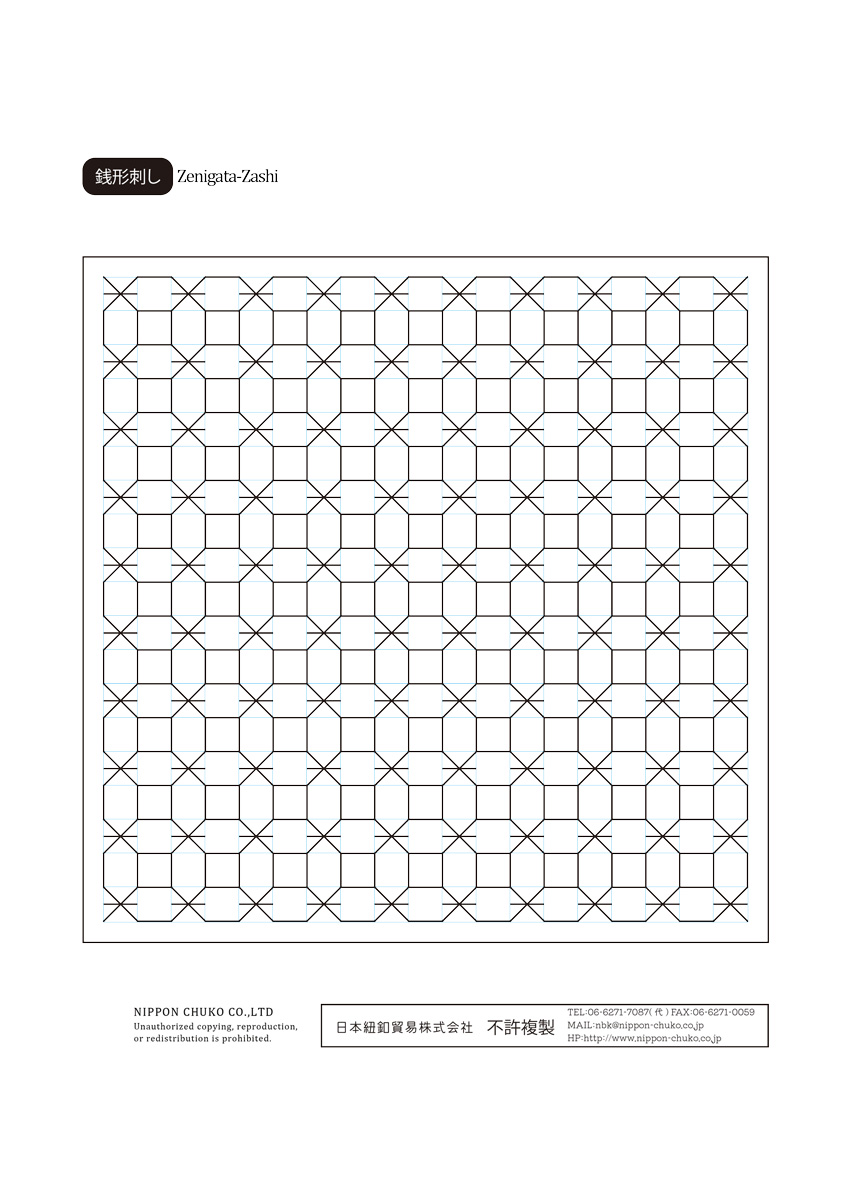
This sashiko design features the “Zenigata-Zashi” pattern, with square shapes resembling old Japanese coins arranged in a regular pattern. Small motifs are repeated within the neat grid, giving the pattern a distinctive look while maintaining a simple feel.
What Does the Zenigata-Zashi Pattern Mean?
Zenigata-Zashi is a pattern inspired by the shape of zeni, old Japanese coins. Because coins were essential to everyday life, they have been passed down as a lucky symbol representing wealth, prosperity, and success in business.
Let’s Make Sashiko Items Using These Patterns!
From here, we’ll introduce some recommended items for Sashiko.
We’ve selected easy-to-use products that are great for beginners!
SARASHI – Pre-Cut Cotton
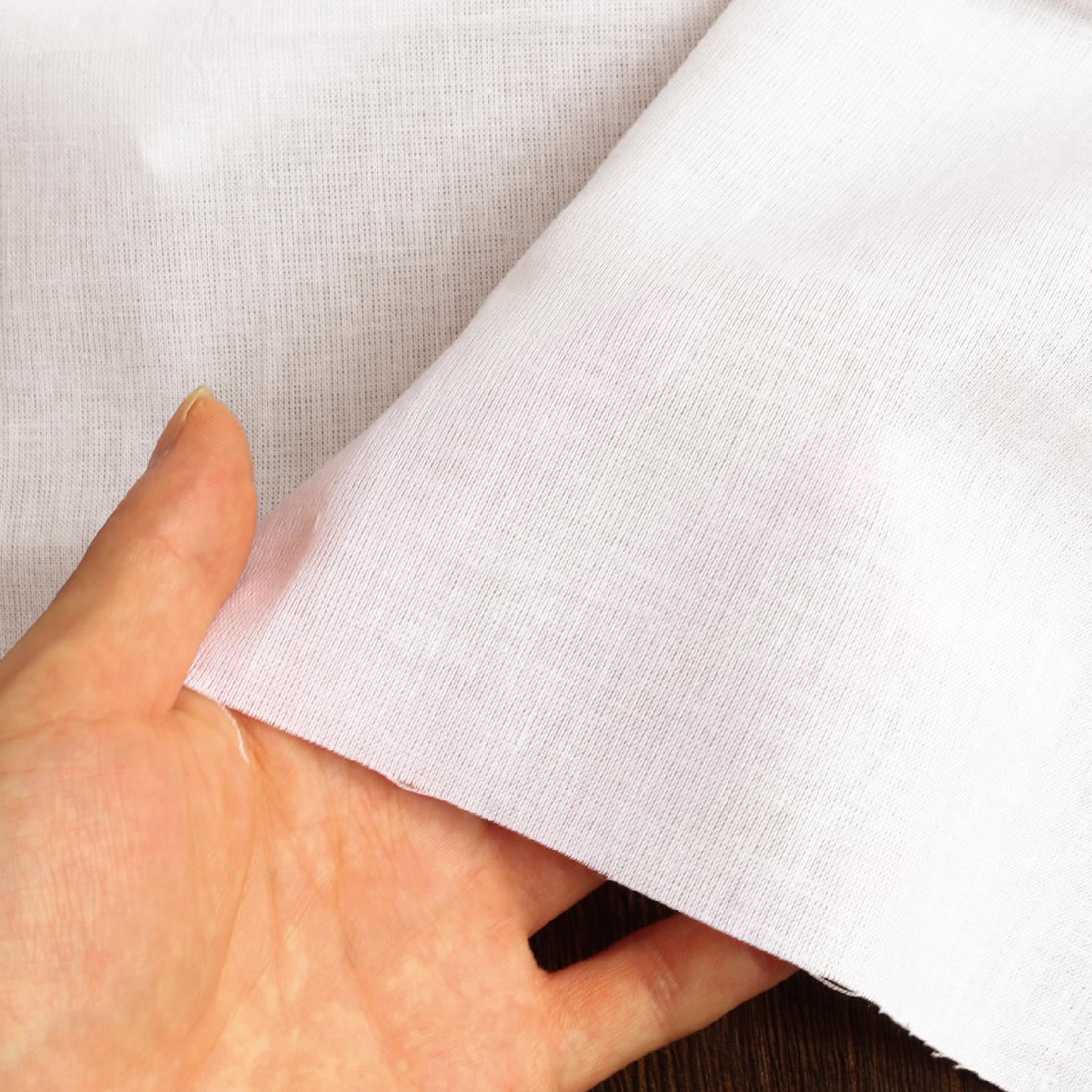
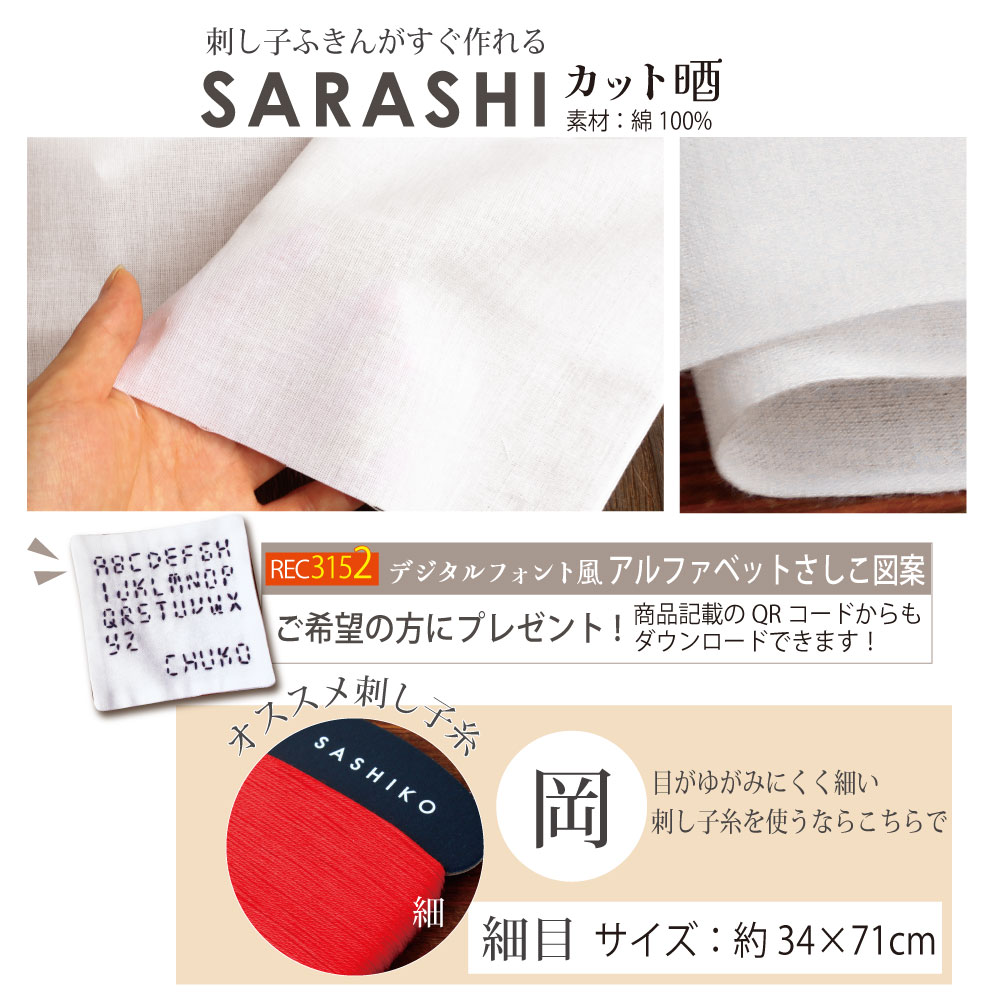
This is sarashi fabric cut to the perfect size for Sashiko dishcloths.
Why not choose a fabric that pairs perfectly with your Sashiko thread thickness and enjoy stitching even more?
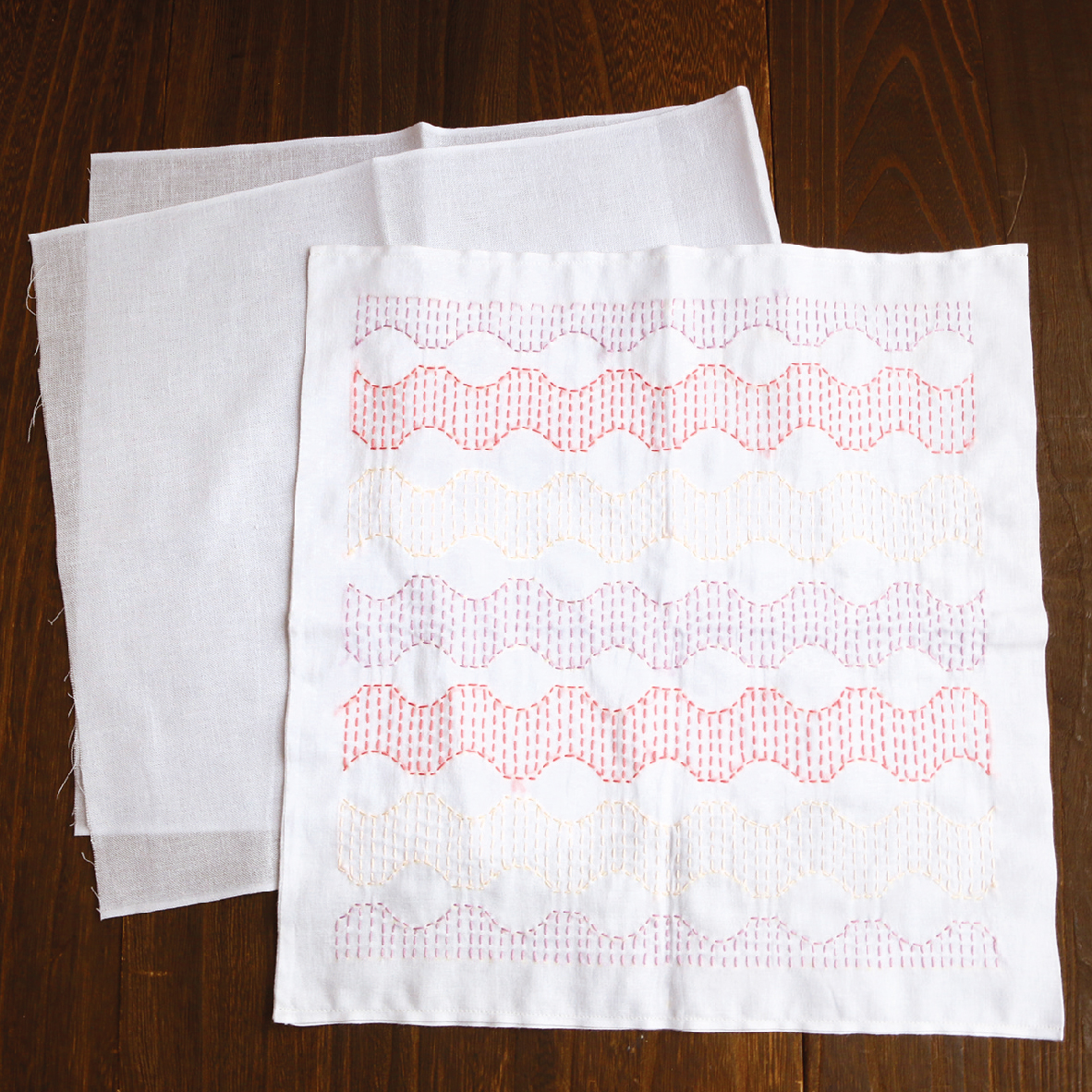
Fold it in half and stitch the edges, and you’ll have a square Sashiko dishcloth!
It’s a practical size that’s easy to use every day ♪
SFC1-B SARASHI Pre-Cut Cotton Bun (文)
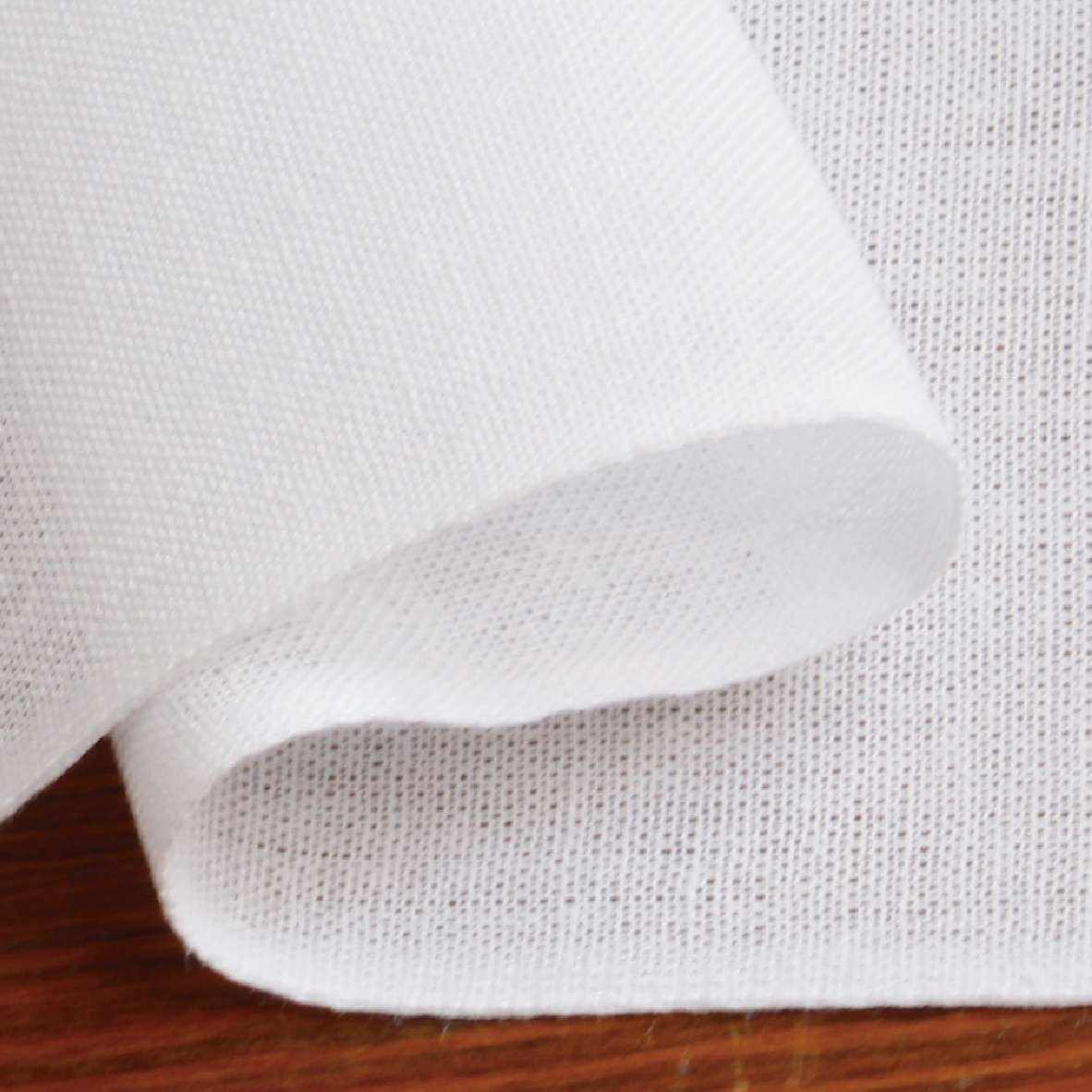
A standard fabric commonly used for sashiko dishcloths.
We recommend using medium-weight sashiko thread for best results.
SFC1-O SARASHI Pre-Cut Cotton Oka (岡)
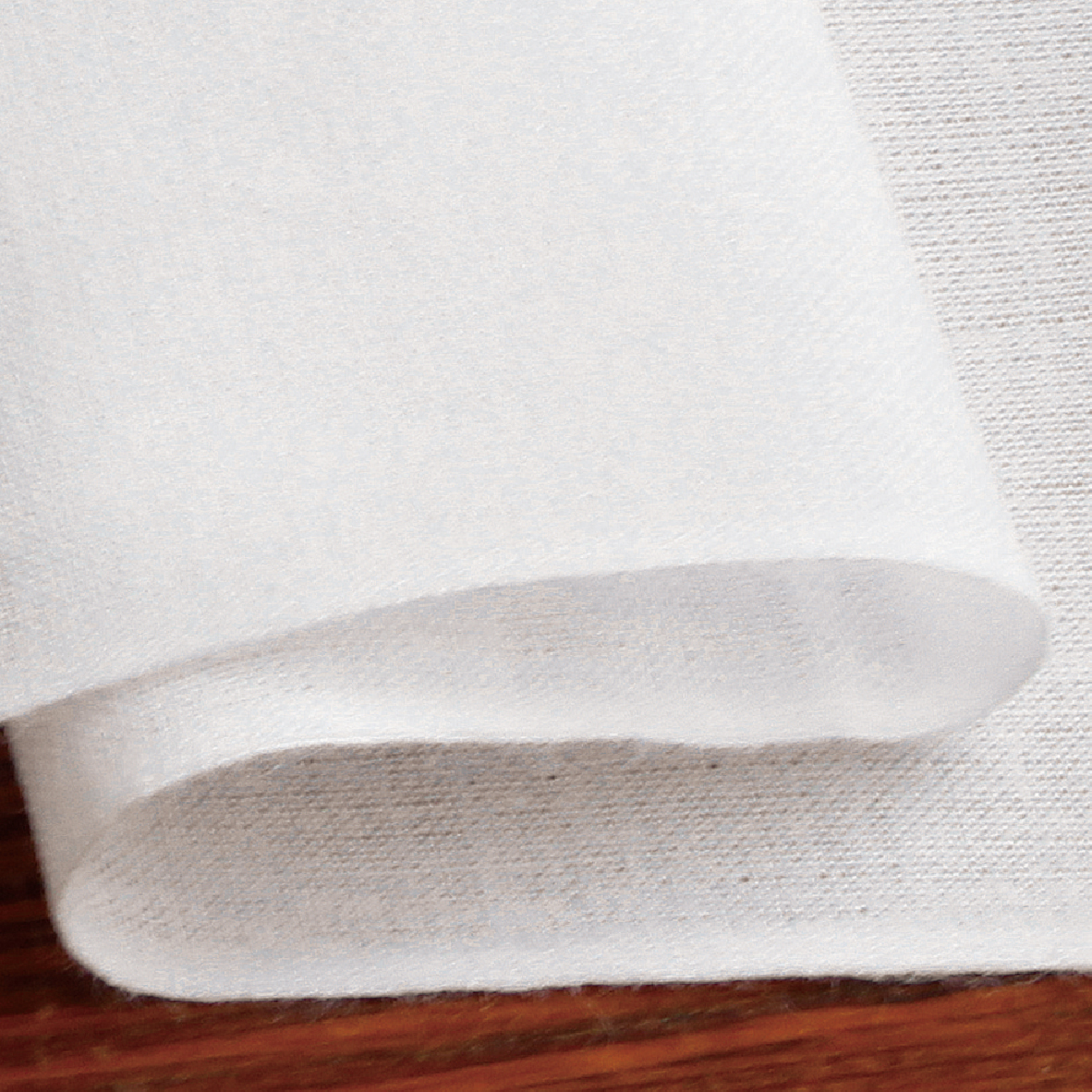
This fabric has a finer weave than the Bun(文) type.
It is ideal for stitching delicate patterns.
We recommend using fine sashiko thread.
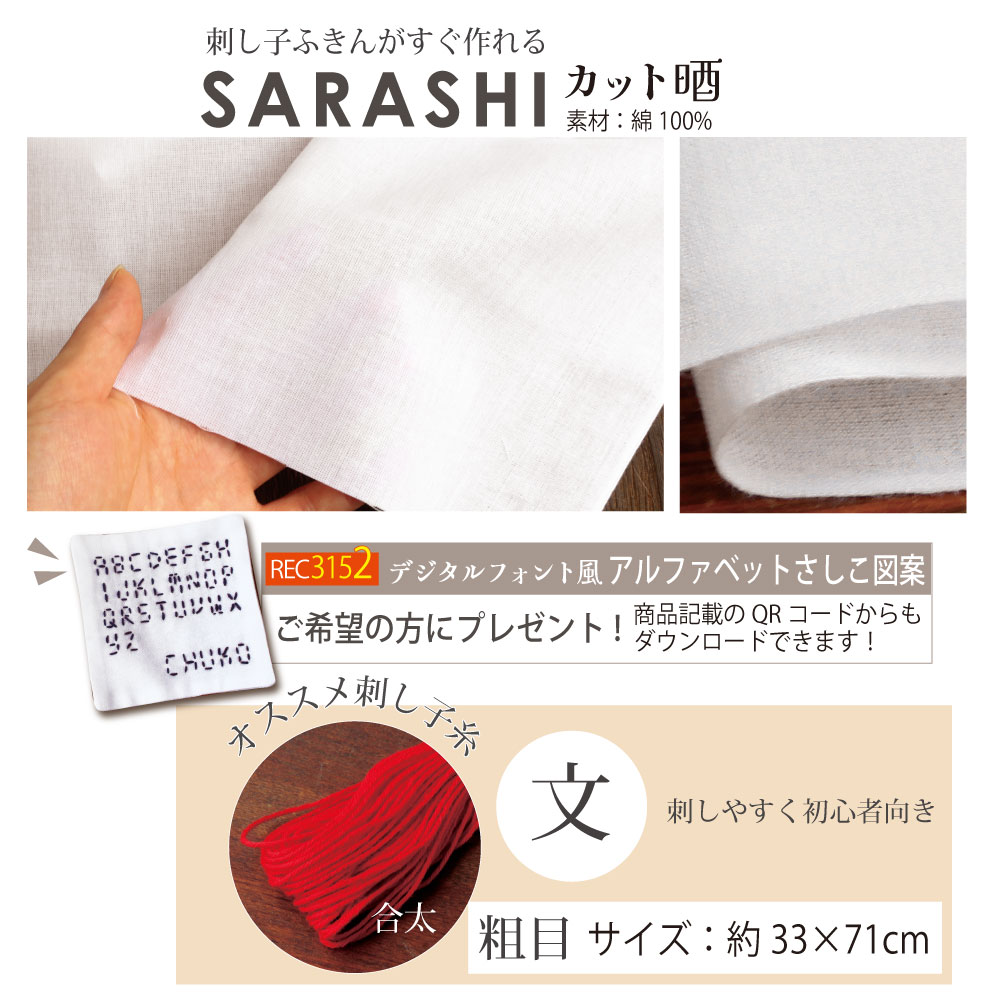
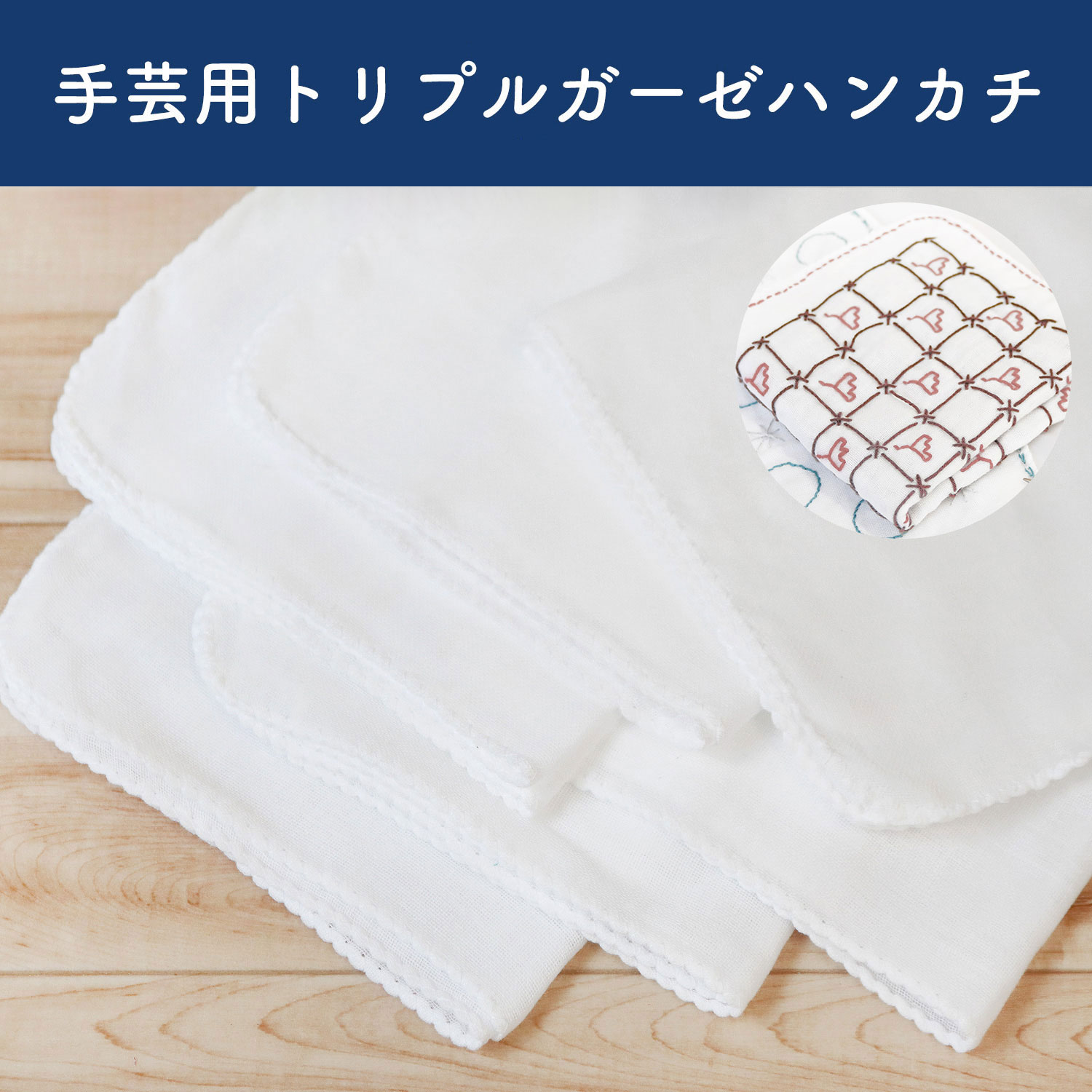
※Anyone can use the product search on Chuko Online.(But you’ll need to register as a member before making a purchase.)
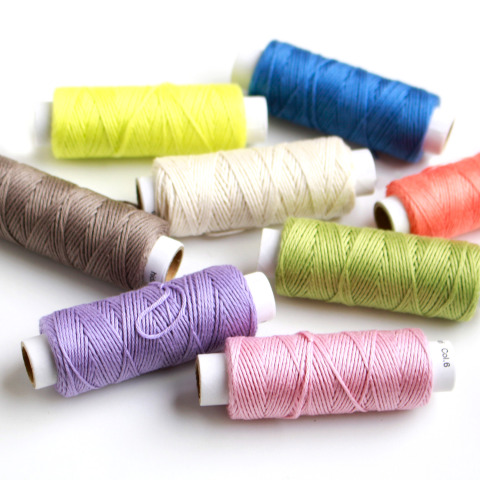
Recommended Sashiko Threads
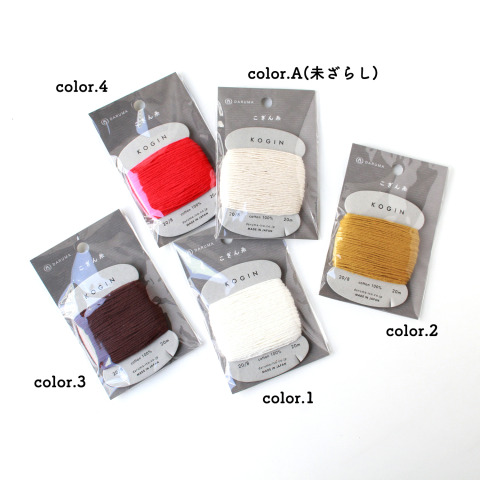
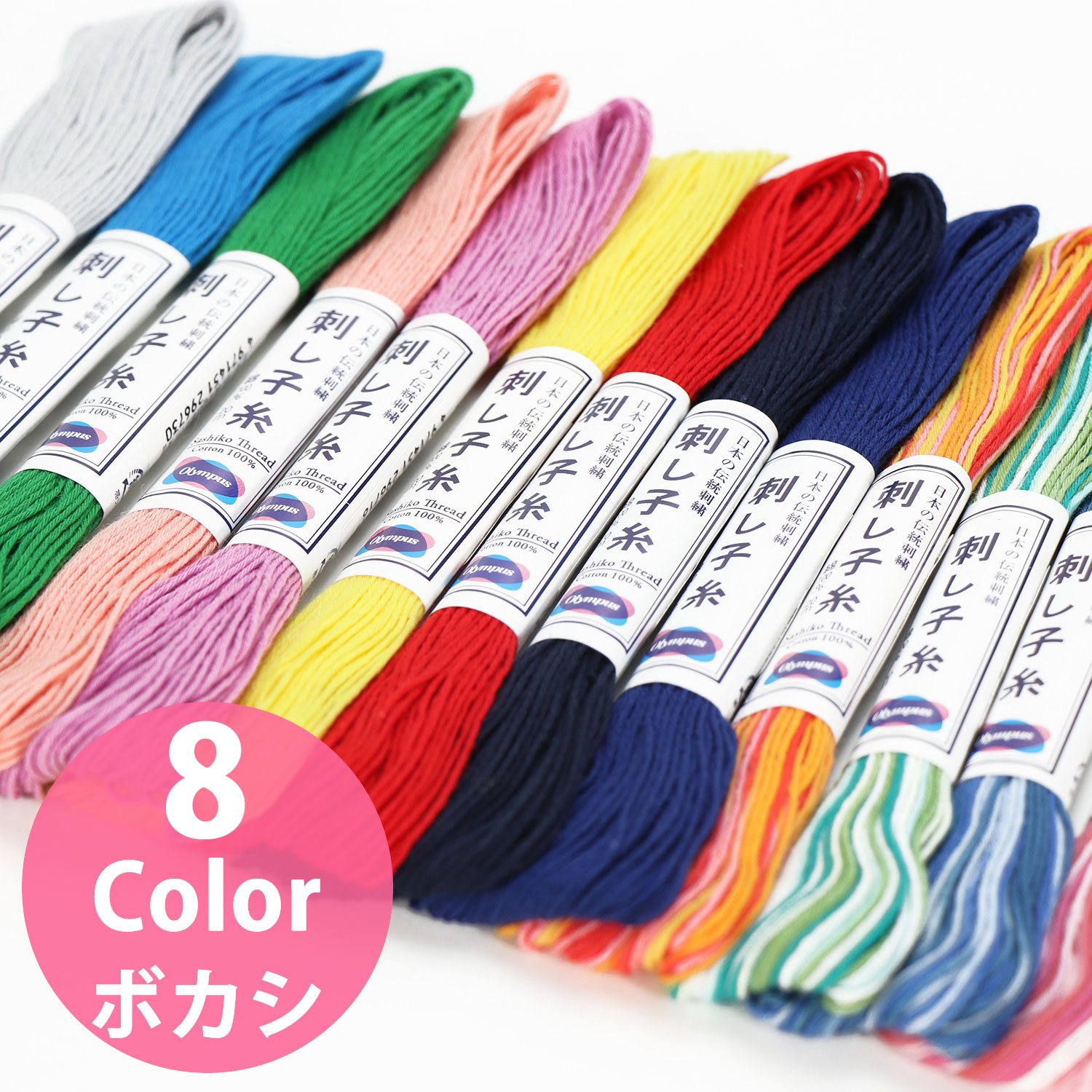
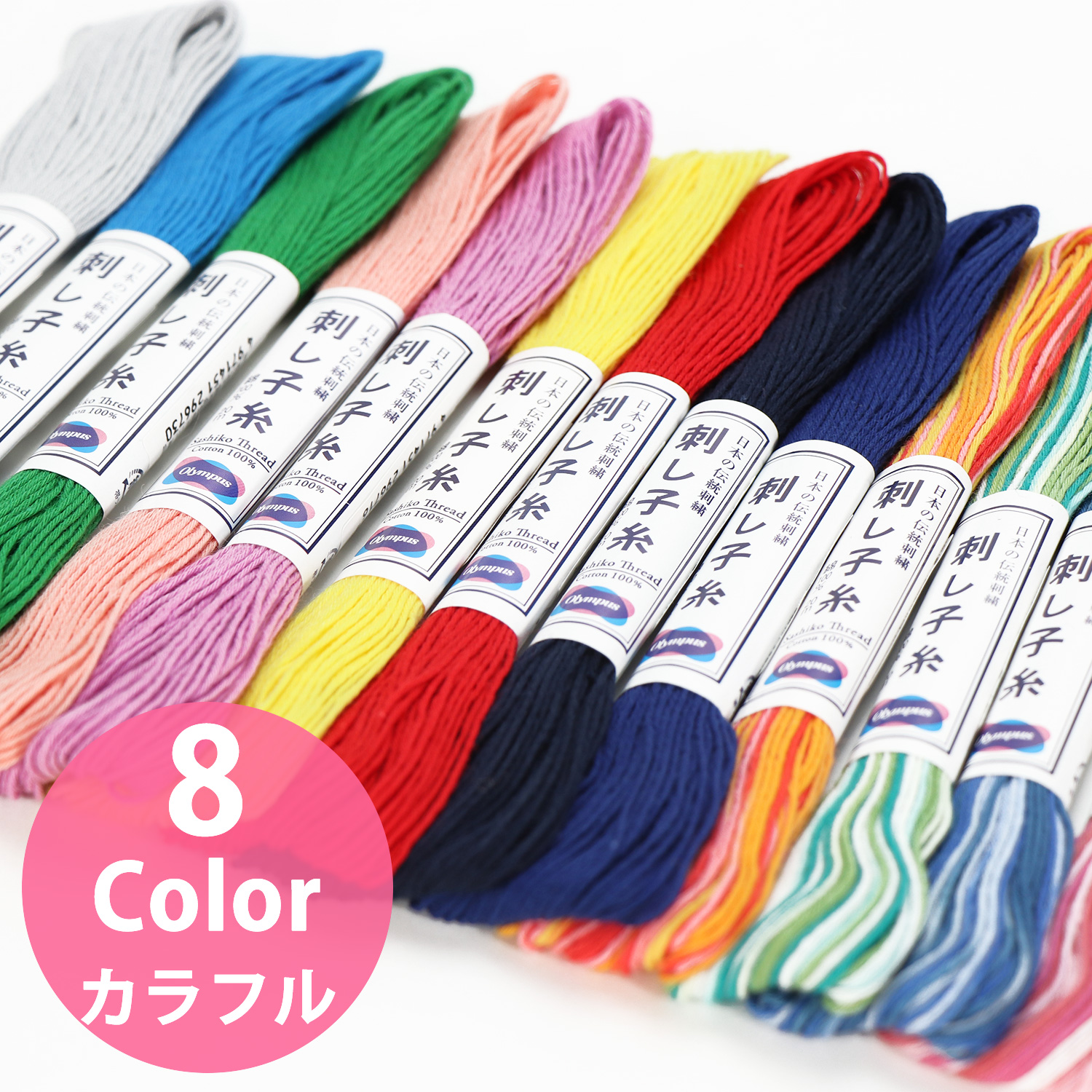
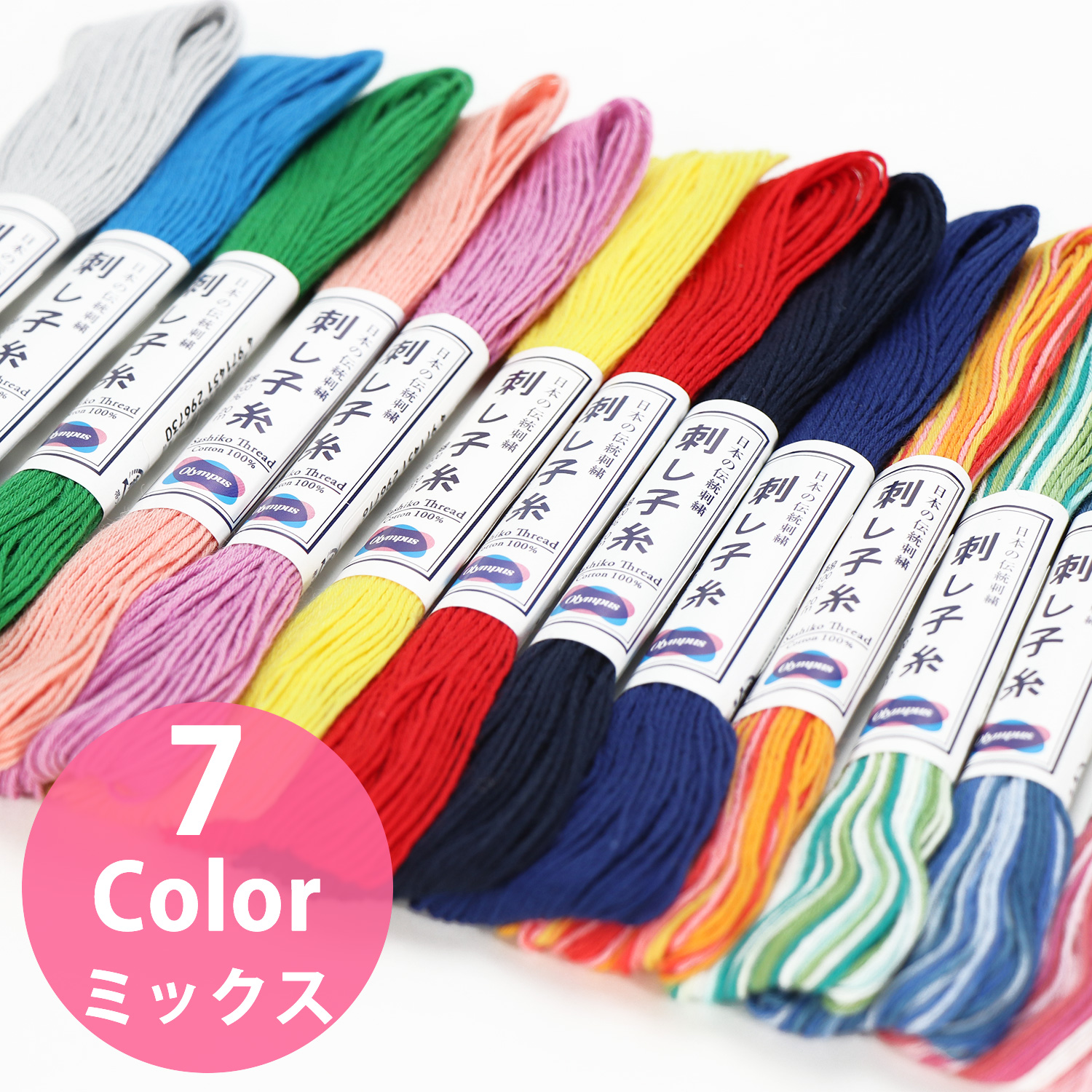
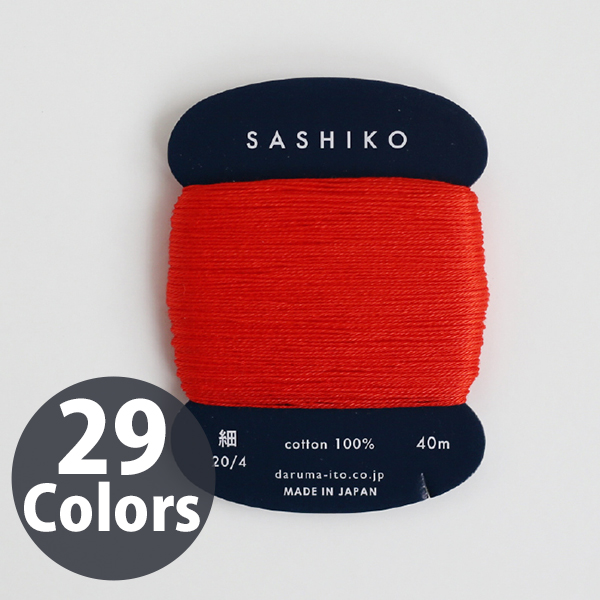
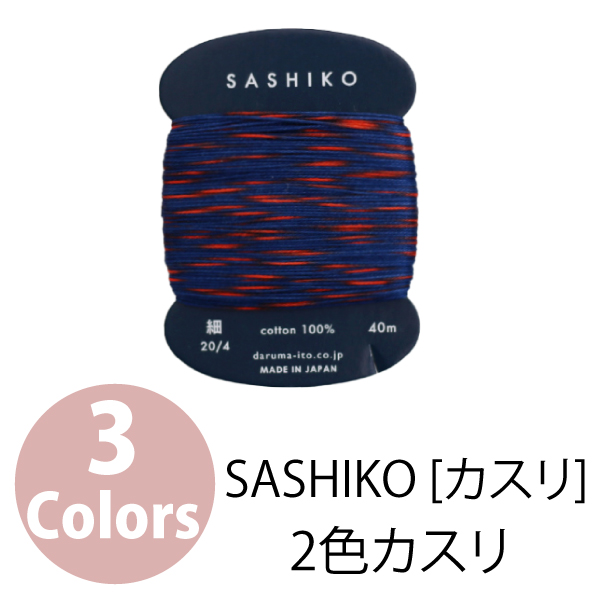
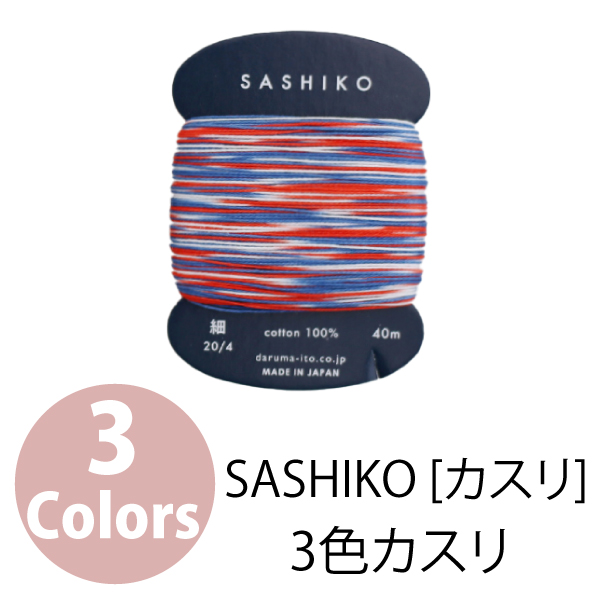
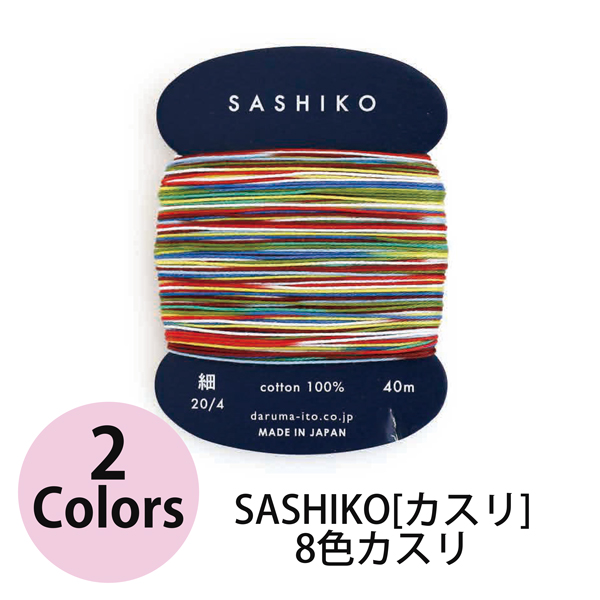
Recommended Thread for SARASHI BUN(文)
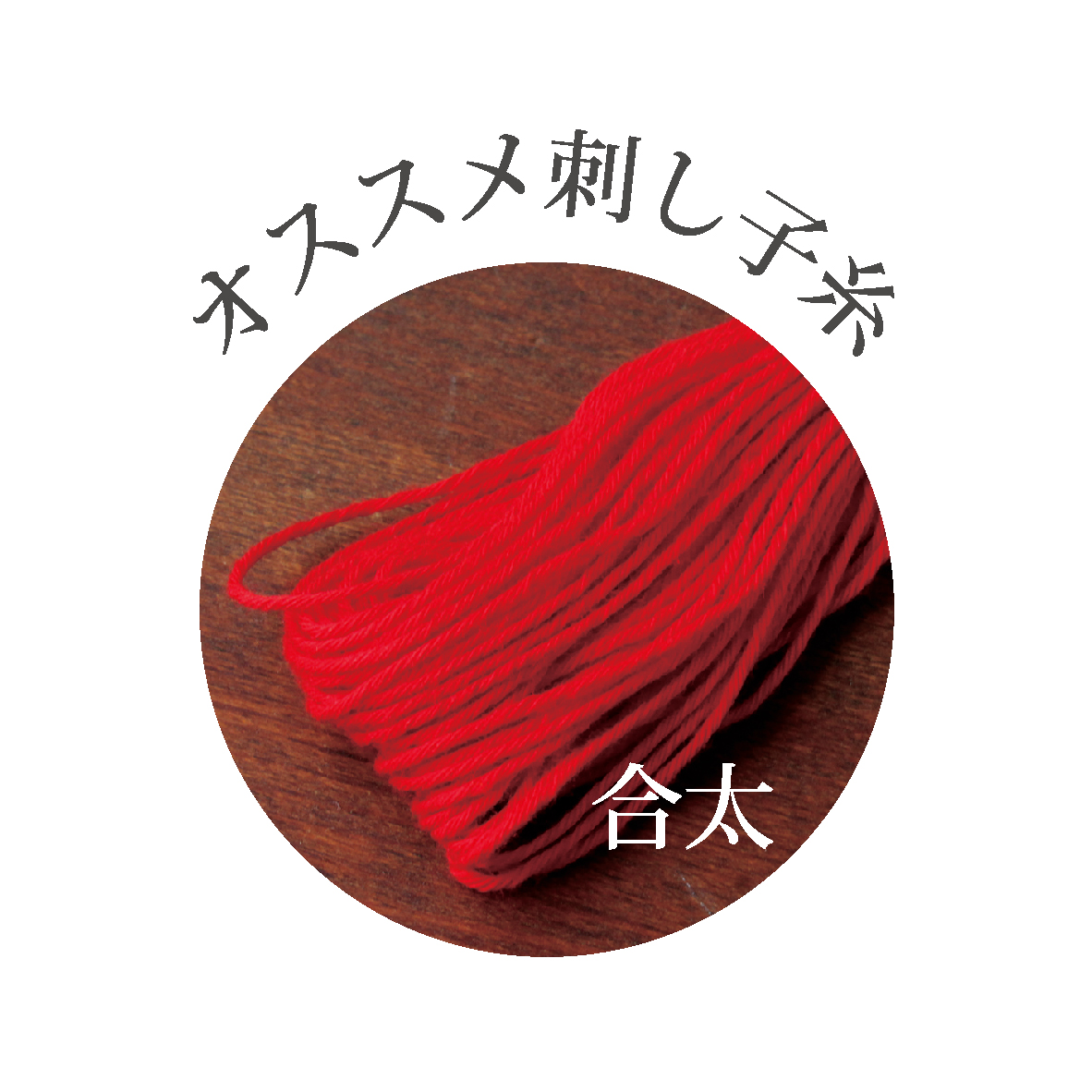
Medium-weight thread that is easy to stitch with and ideal for beginners.
This thread pairs well with the “SARASHI Bun” fabric.
- Olympus Sashiko Thread : OS-20M
- hidamari Sashiko Thread : (Solid Color) CS88/ (Kasuri-Dyed) CS89
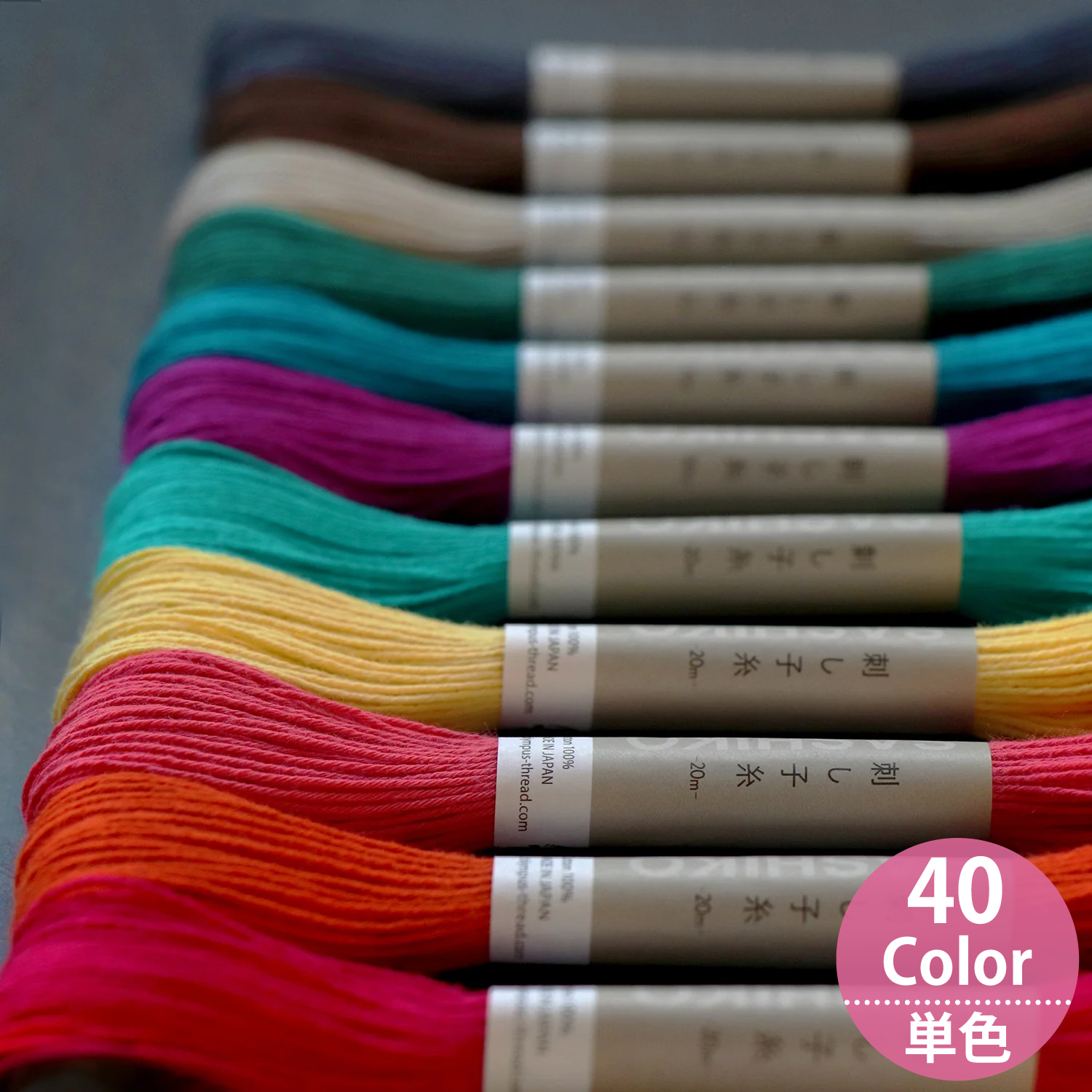
Recommended Thread for SARASHI Oka(岡)
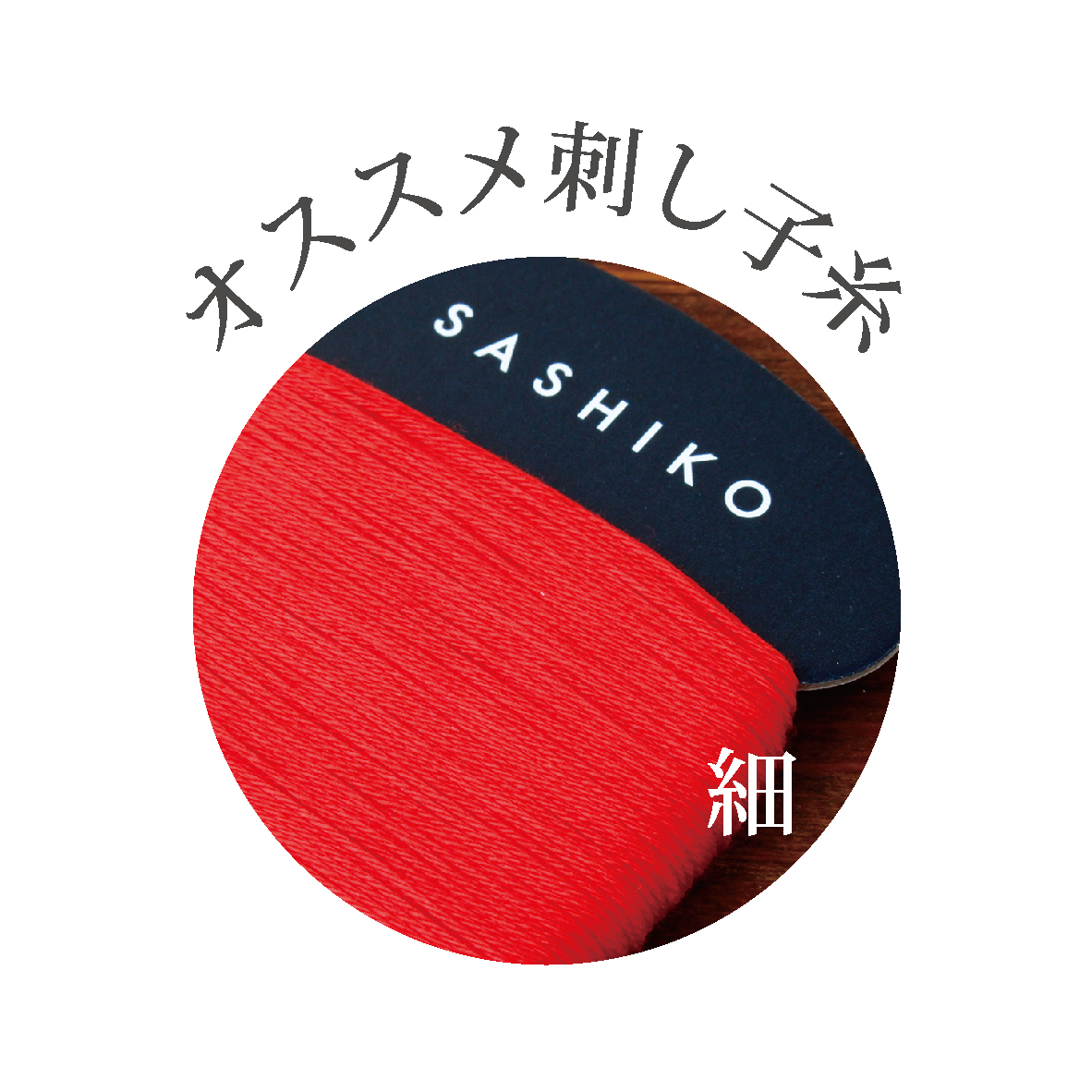
A fine thread that resists distortion of the stitches.
If you are using sashiko thread, this option is especially recommended.
It matches perfectly with the “SARASHI Oka” fabric.
- Yokota Sashiko Thread「DRM2400」
※Anyone can use the product search on Chuko Online.(But you’ll need to register as a member before making a purchase.)
What Is “Sashiko”?
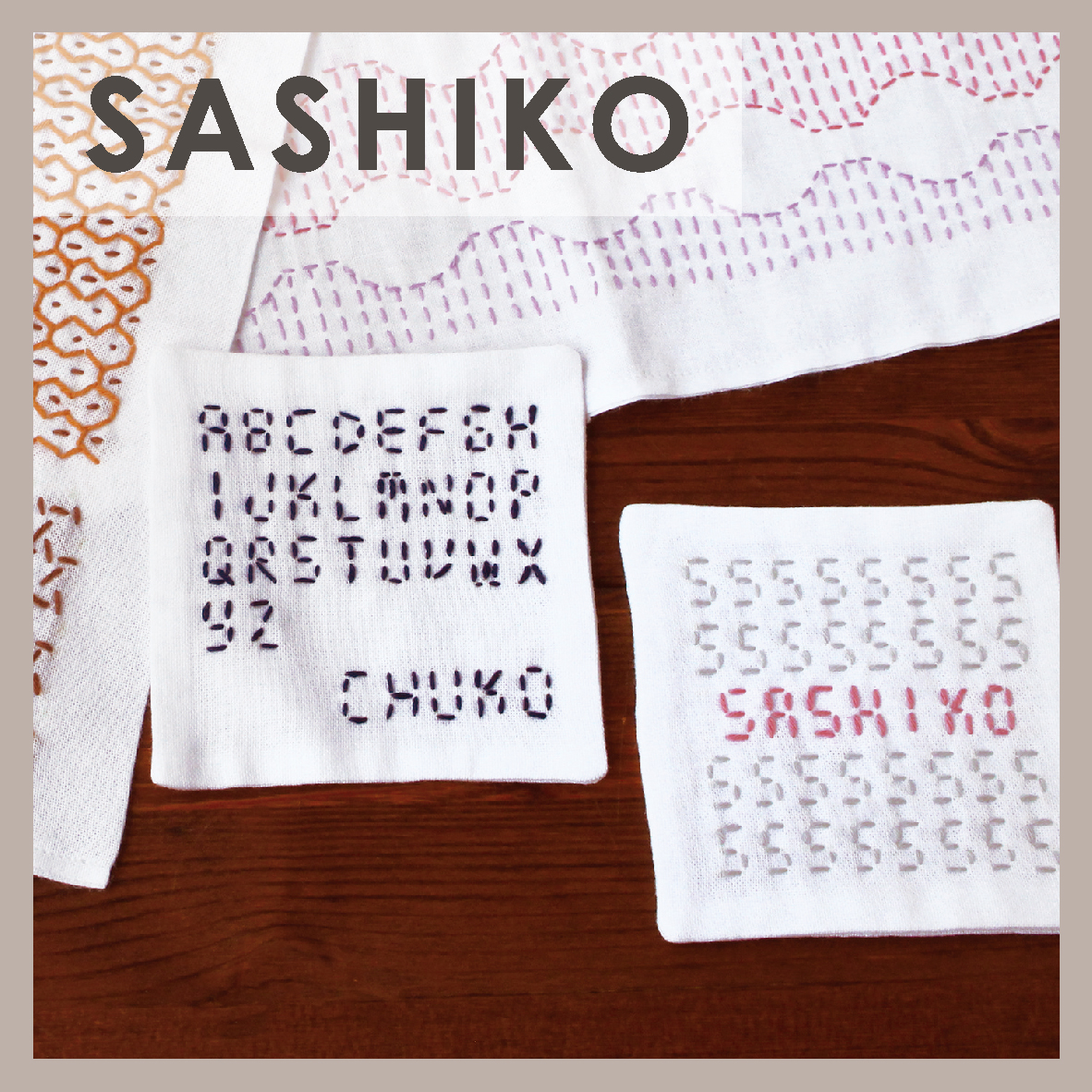
Sashiko is a traditional form of embroidery that has been passed down in Japan for generations.
Typically stitched with white thread on indigo fabric to create decorative patterns, sashiko is said to have been born from the practical wisdom of everyday life in the past.
Its exact origin is unknown, but sashiko traditions from the Tohoku region are especially well known, such as Kogin-zashi from Tsugaru in Aomori Prefecture, Hishi-zashi from Nanbu in Aomori Prefecture, and Shonai sashiko from Yamagata Prefecture.
Sashiko is believed to have begun around 500 years ago as a way to reinforce fabric and provide warmth to withstand harsh winters.
Enjoying Everyday Life with Sashiko
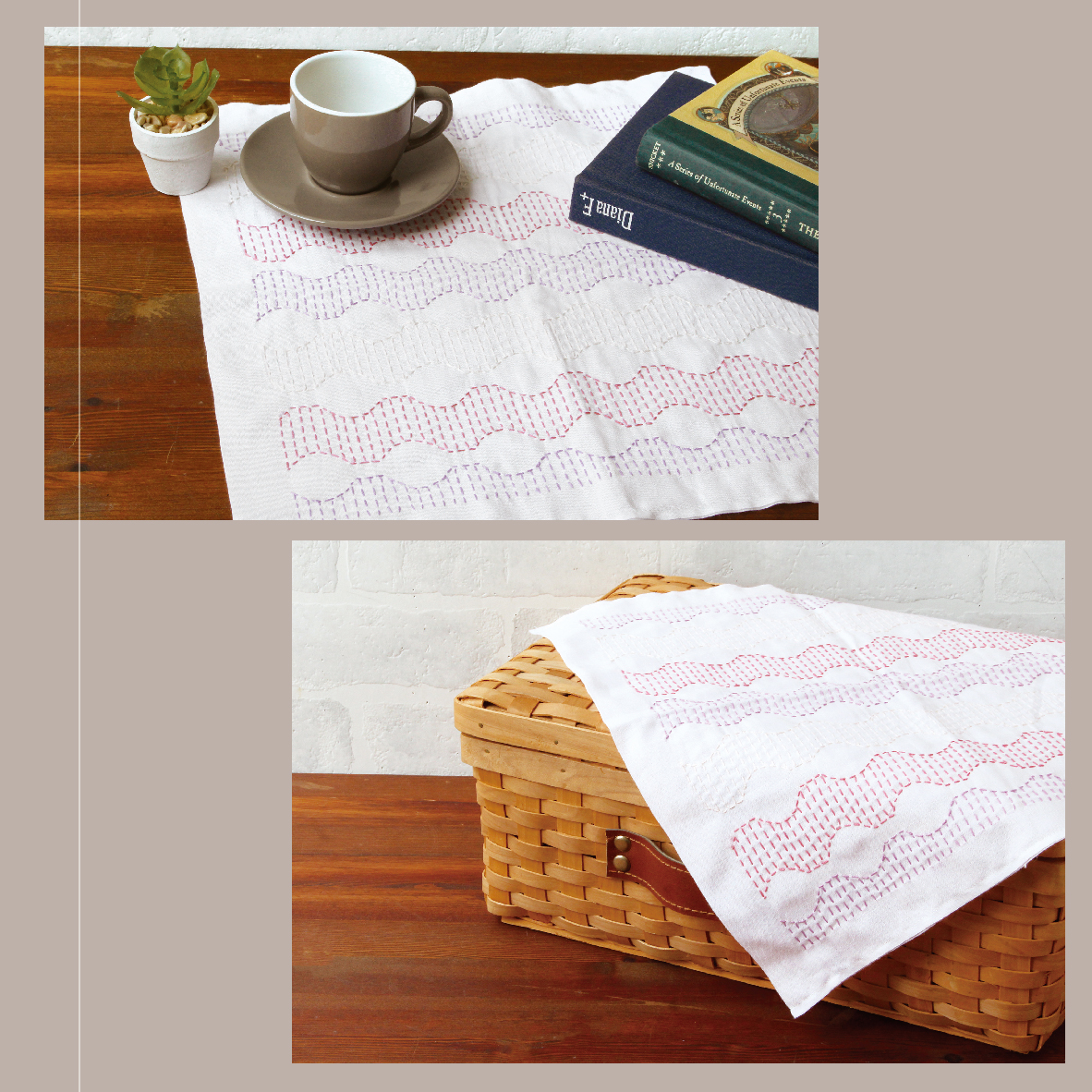
With its simple charm and warmth, sashiko is an easy craft to start and continues to be loved by people of all ages today.
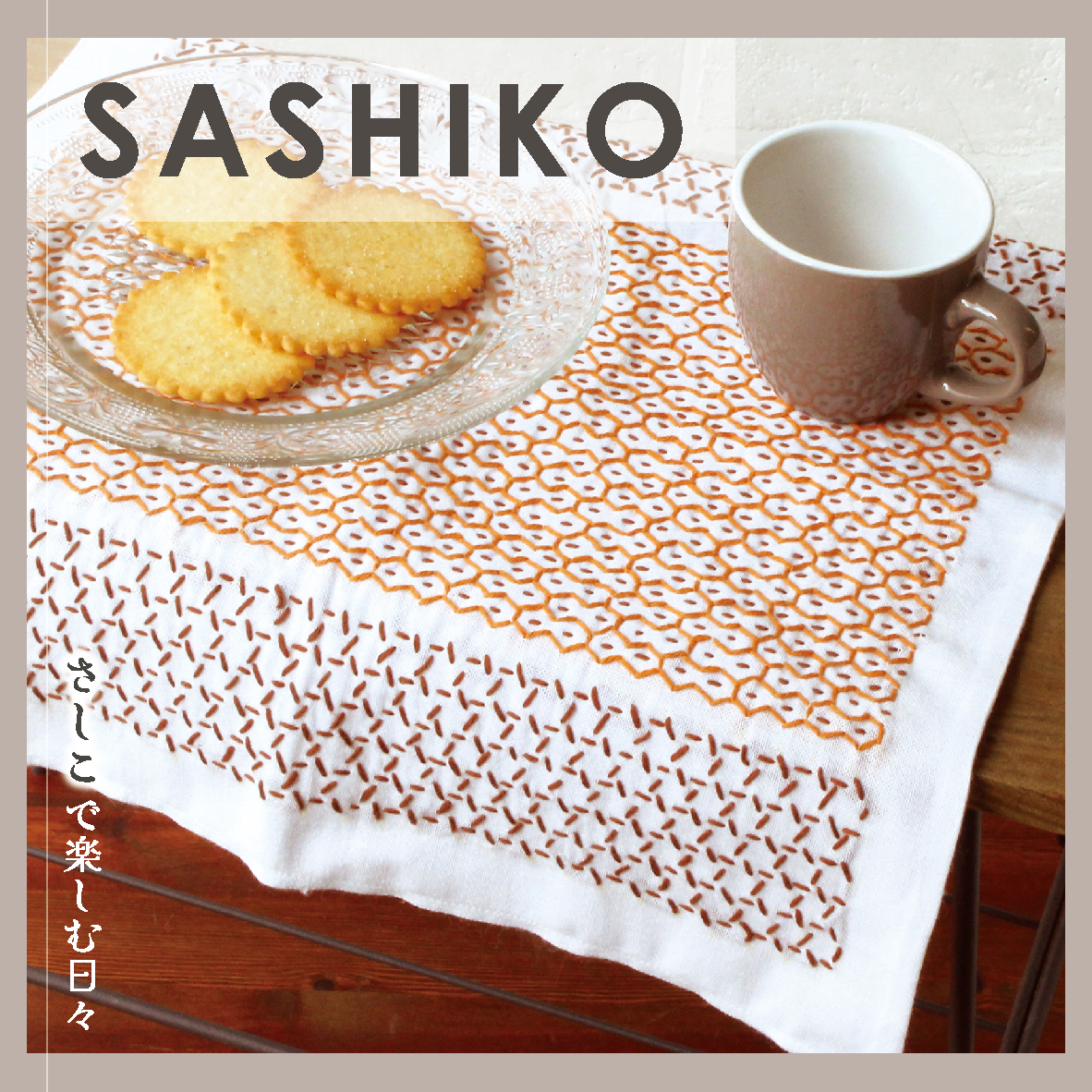
Sashiko has long been enjoyed in Japan.
In addition to traditional patterns, creating your own original designs can be just as rewarding.
Why not bring the joy of sashiko into your daily life?
We also share products and special offers on Instagram.
Please follow our Instagram account here!
Our Official Websites
Chuko Online: https://www.nippon-chuko.co.jp/shop
facebook: https://www.facebook.com/nipponchuko



Chuko Onlineではみなさまに日々の手芸用品の仕入れを便利にしていただけるように、お得なセール情報などを更新しております! ▽Chuko Onlineのサイトはこちらから! https://www.nippon-chuko.co.jp/shop/ みなさまからのご注文をお待ちしております。