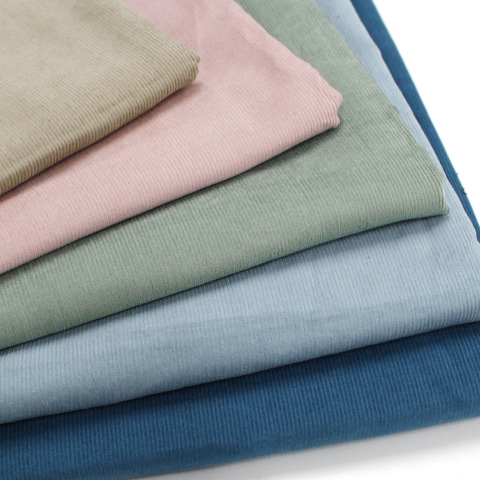
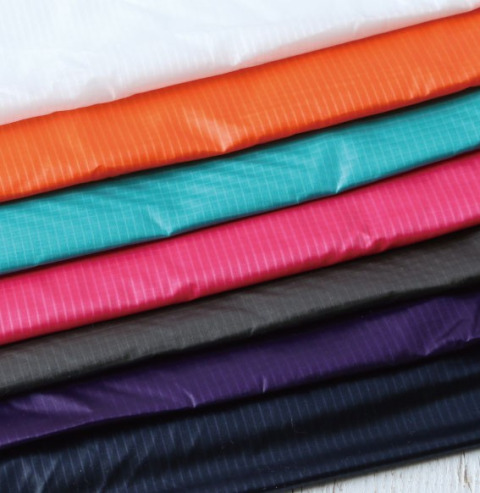
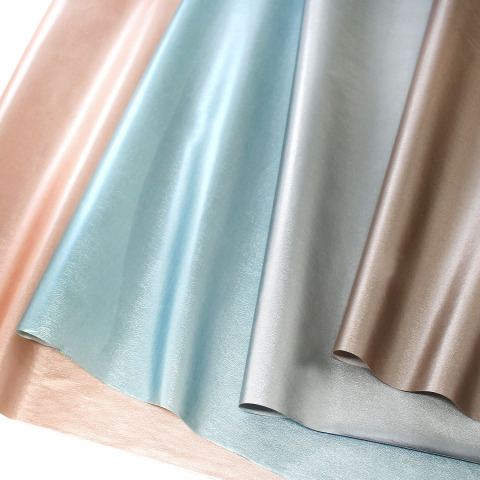
Hello everyone! This is N from the 2nd floor Sewing Tools and Supplies section.
At Nippon Chuko, we carry an impressively wide range of fusible interlinings — in fact, there are about 70 different types available!
What’s the Role of Fusible Interfacing?
When you first look at a sewing pattern or recipe and see “fusible interfacing” listed among the materials, you might wonder:
“Why do I need to use fusible interfacing?”
“Is it really necessary? If I can make it without, maybe I don’t need to buy it…”
or even, “What exactly does fusible interfacing do?”
To be honest, when I first started working in the 2nd floor Sewing Tools and Supplies section, I had the same questions myself:
“What’s it for, and why do we need it?”
“Is fusible interfacing really that important?”
It doesn’t stand out like the main fabric — it’s not the star of the show.
But once you understand what fusible interfacing is and actually try using it, you realize just how essential it is to sewing projects!
So in this post, I’d like to share all sorts of tips and insights about fusible interfacing, and hopefully spark your curiosity about it too.
We’ll take a close look at the different types and features, and I’ll also introduce the best options depending on your sewing purpose.
Be sure to read through to the end — you might just discover your new favorite sewing essential!
目次
- What is fusible interfacing?
- Types of Fusible Interfacing
- Fusible Interfacing Type 1 — Non-woven
- Fusible Interfacing Type — Woven
- There Are Even More Types of Fusible Interfacing. Introducing different types by their features and uses!
- With So Many Options, Choose Your Fusible Interfacing Carefully!
- Fusible Interfacing – The Unsung Hero!
What is fusible interfacing?
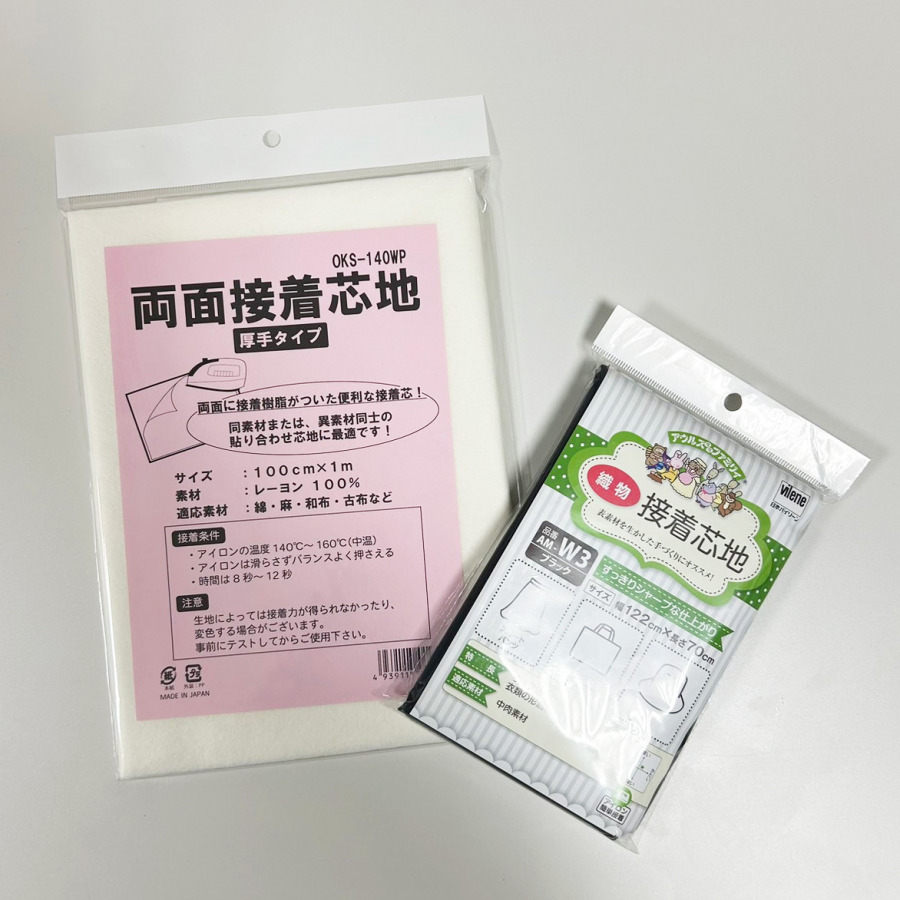
Fusible interfacing is a firm fabric coated with adhesive resin. When you apply heat and steam from an iron, the adhesive melts and bonds the interfacing to your fabric. This adds body, thickness, and stability, helping to prevent the fabric from losing its shape.
It’s also used to reinforce fabrics that are thin or very soft, which can be difficult to sew on a machine. By adding interfacing, these fabrics become easier to handle and more durable.
There are two main types of fusible interfacing: single-sided, which has adhesive on one side only, and double-sided, which has adhesive on both sides.
Fusible interfacings also come in different base materials such as non-woven, woven (cotton), and knit, and you can choose the right one depending on where and how you want to use it.
There are two main types of interlining: fusible interfacing, which bonds to fabric with heat, and sew-in interfacing, which is attached by sewing.
In recent years, with advances in mechanization in the apparel industry, fusible interfacing has become widely used. It offers easy application, consistent quality, improved efficiency and safety, and reduced labor costs—all at an affordable price.
On the other hand, sew-in interfacing requires advanced sewing skills and tends to be more expensive. However, it provides a softer, more natural feel and a comfortable finish, which is why it’s often used in high-end dress shirts and other luxury garments.
It may not be the star, but fusible interfacing is the unsung hero behind every great project!
There are four main reasons why fusible interfacing is used:
- It helps maintain a beautiful silhouette.
- It prevents garments from losing their shape or sagging over time.
- It prevents garments from losing their shape or sagging over time.
- It stabilizes stretchy fabrics or curved areas, making them easier to sew.
So, in what kinds of situations is fusible interfacing actually used?
One familiar example is the inside of a shirt collar. If you touch it, you’ll notice how firm and crisp it feels — that’s thanks to the fusible interfacing. It gives the collar its sharp shape and adds a clean, neat appearance to the shirt.
Of course, fusible interfacing isn’t just for clothing. When used in bags or pouches that would otherwise be too soft and floppy, it gives the fabric the right amount of firmness to help it hold its shape beautifully.
From sewing to finishing, fusible interfacing plays an important supporting role throughout the entire process.
Even though it’s invisible from the outside, it’s essential for keeping fabrics easy to handle and maintaining the shape of your finished piece.
It might seem possible to replace fusible interfacing depending on the purpose, but doing so usually won’t produce the same results. Even if a substitute seems to work, it may not provide the same level of stability or bonding strength between fabrics.
Considering the time and effort involved — not to mention the risk of a less satisfying result — it’s best to use proper fusible interfacing from the start rather than trying to find a workaround.
Types of Fusible Interfacing
Fusible interfacing can be broadly classified into three types based on its base fabric:
- Woven…Blends well with the outer fabric, moves along the bias, and prevents stretching of the fabric.
- Non-woven…Lightweight, resistant to wrinkles, maintains its shape, and offers good breathability.
- Knitted…Stretchy with a soft texture.
Among these, the fusible interfacings you’ll most often see and use can generally be categorized into Non-woven type and Wovwn types.
Non-woven types have no visible weave, while woven types do. Each type has its own characteristics, and these traits make them suitable for different kinds of projects. Depending on the fabric you use, the finish—such as texture, firmness, and how well the shape holds—can vary. When choosing interfacing, be sure to select a type that matches the fabric of your project.
In addition, interfacing comes in many varieties depending on the base fabric, adhesive, and the way the adhesive is applied. If you need strong adhesion, choose permanent fusible interfacing. If weaker adhesion is acceptable, you can use temporary fusible interfacing.
From here, we’ll explain the features of non-woven and woven types, so please use this as a helpful reference!
Fusible Interfacing Type 1 — Non-woven
Non-woven fusible interfacing is known for its paper-like texture and can be broadly divided into standard type and sharp type. Since it’s not very strong against washing, it’s especially recommended for projects like bags and pouches that aren’t washed frequently. At our company, we carry several series of non-woven interfacing!
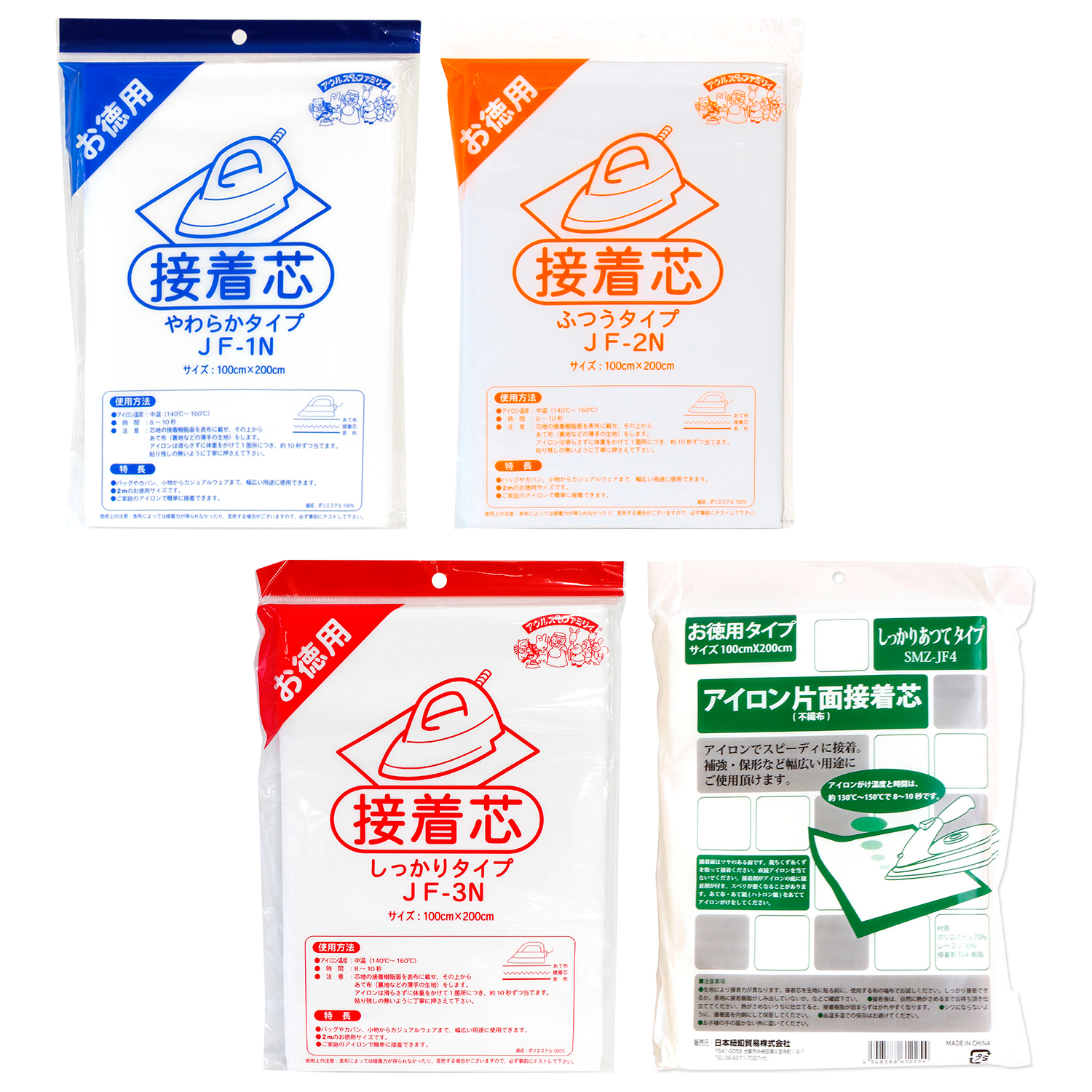
JF Series
This is a non-woven type of fusible interfacing that can be easily applied with a household iron. It’s suitable for a wide range of uses, from casual wear where you want to prevent deformation to various craft projects. The fray-resistant finish makes it easier to work with, and it comes in convenient 2-meter cuts.
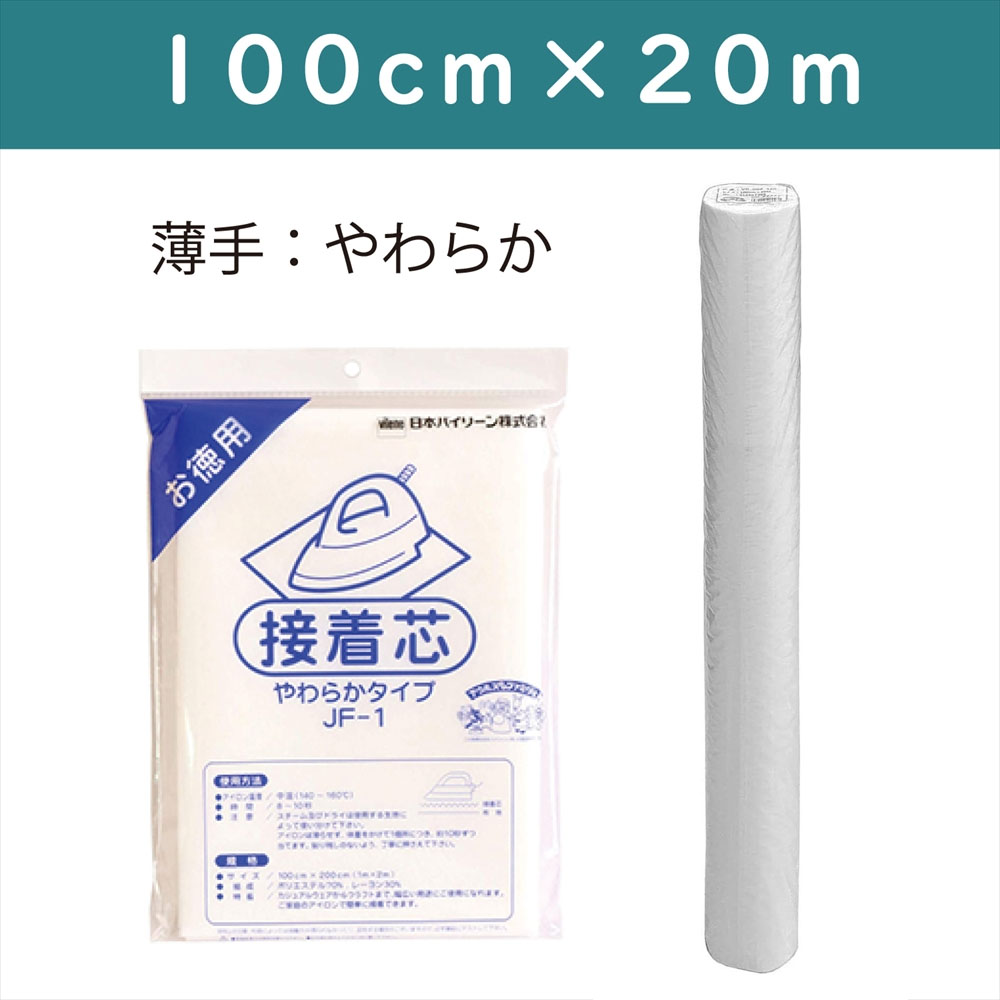
JF1 Non-woven Fusible Interfacing – Soft Type
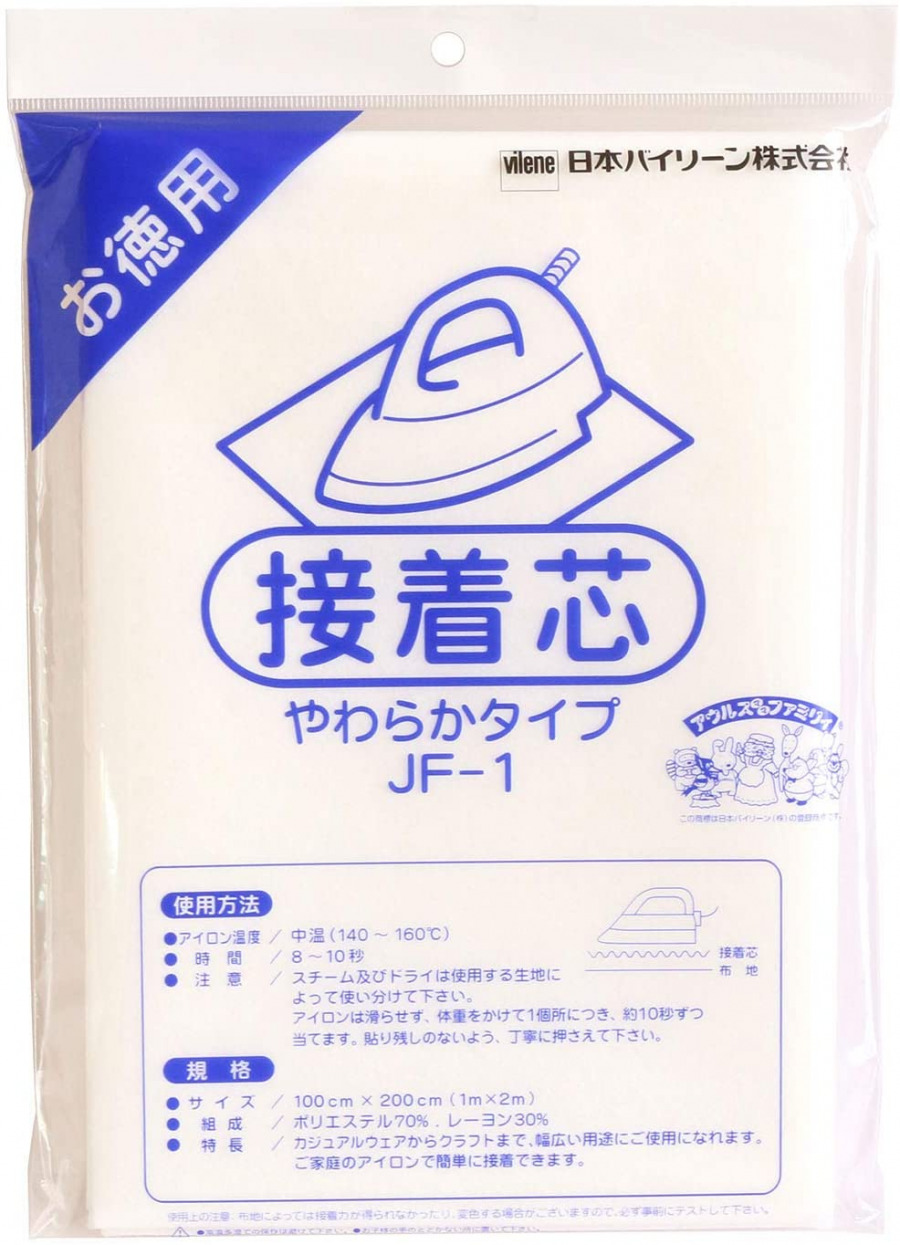
- Material: 90% Polyester, 10% Rayon
- Use: Small items, bags, hats, etc.
- Suitable Fabrics: Light to medium-weight fabrics
The thinnest of the JF types, it provides a soft finish.
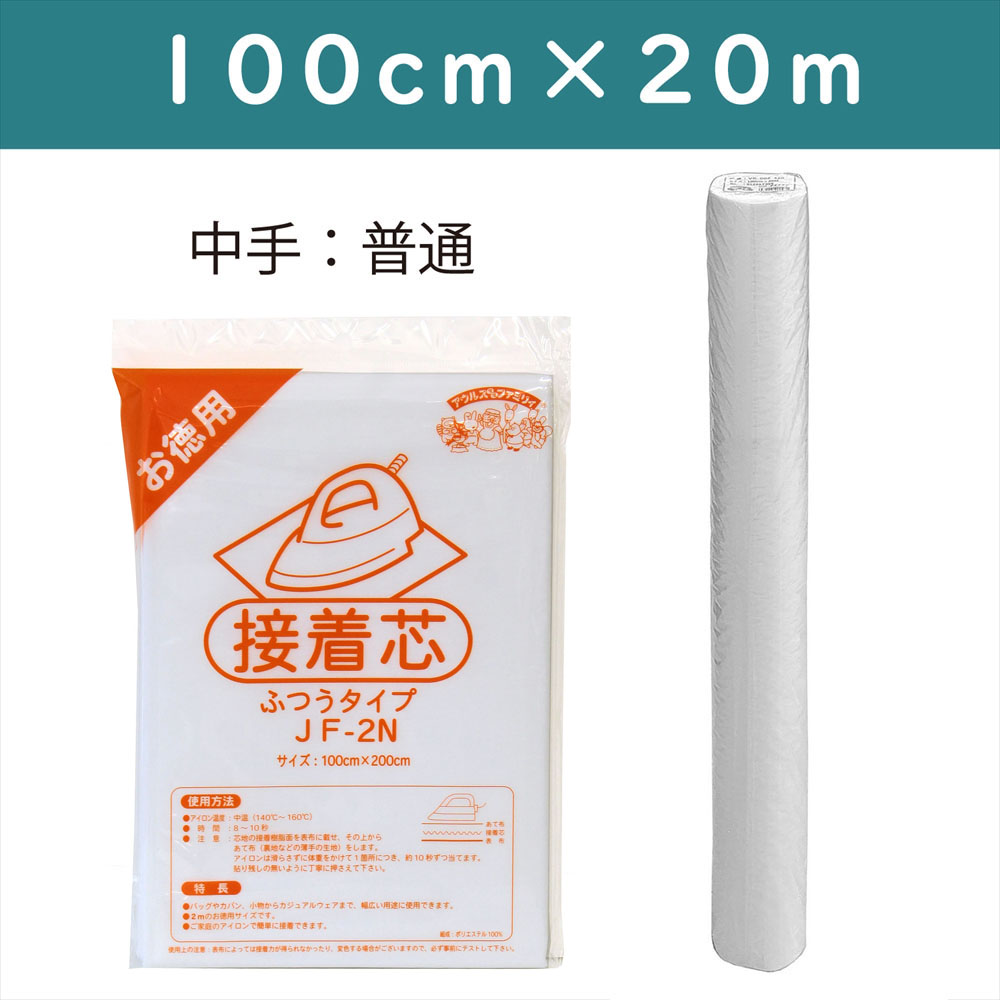
JF2 Non-woven Fusible Interfacing – Standard Type
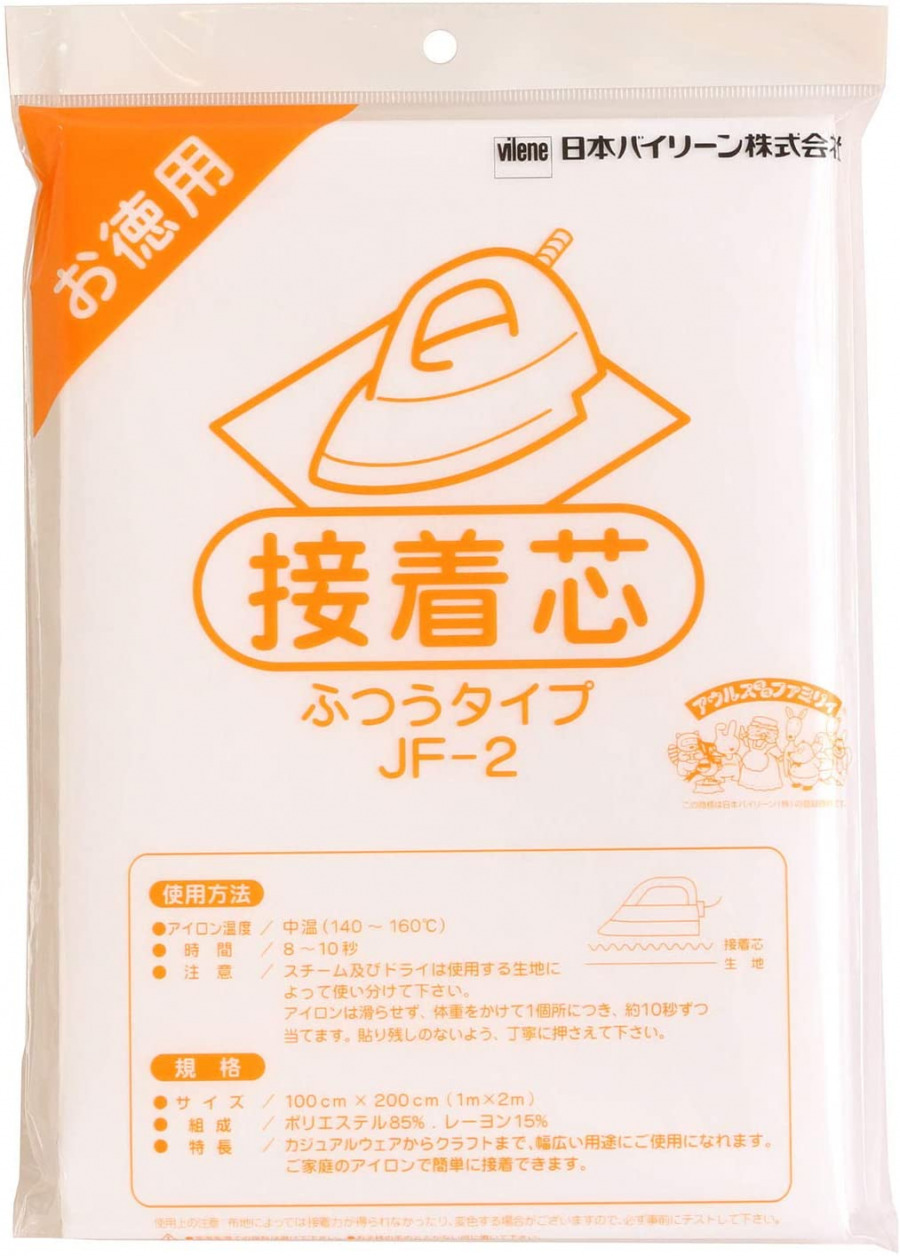
- Material: 85% Polyester, 15% Rayon
- Use: Small items, bags, hats, etc.
- Suitable Fabrics: Medium-weight fabrics
Thicker and firmer than JF1.
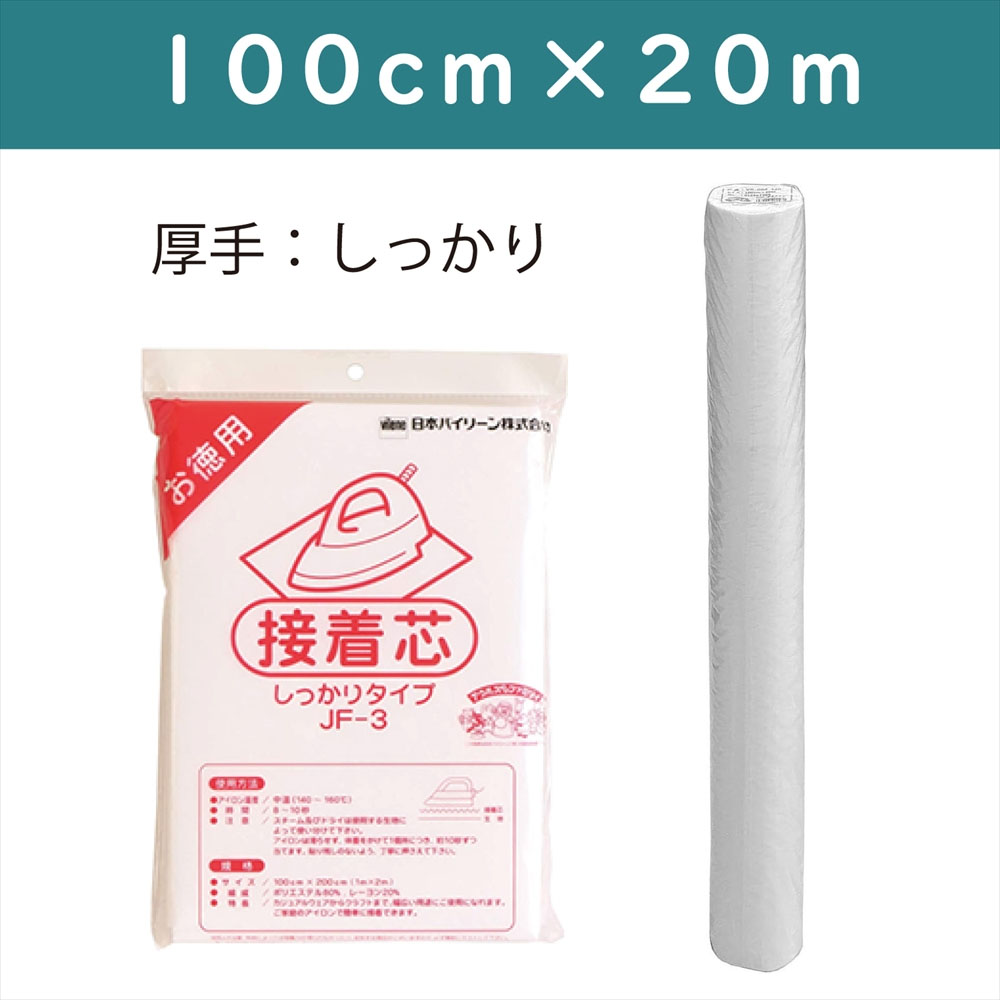
JF3 Non-woven Fusible Interfacing – Firm Type
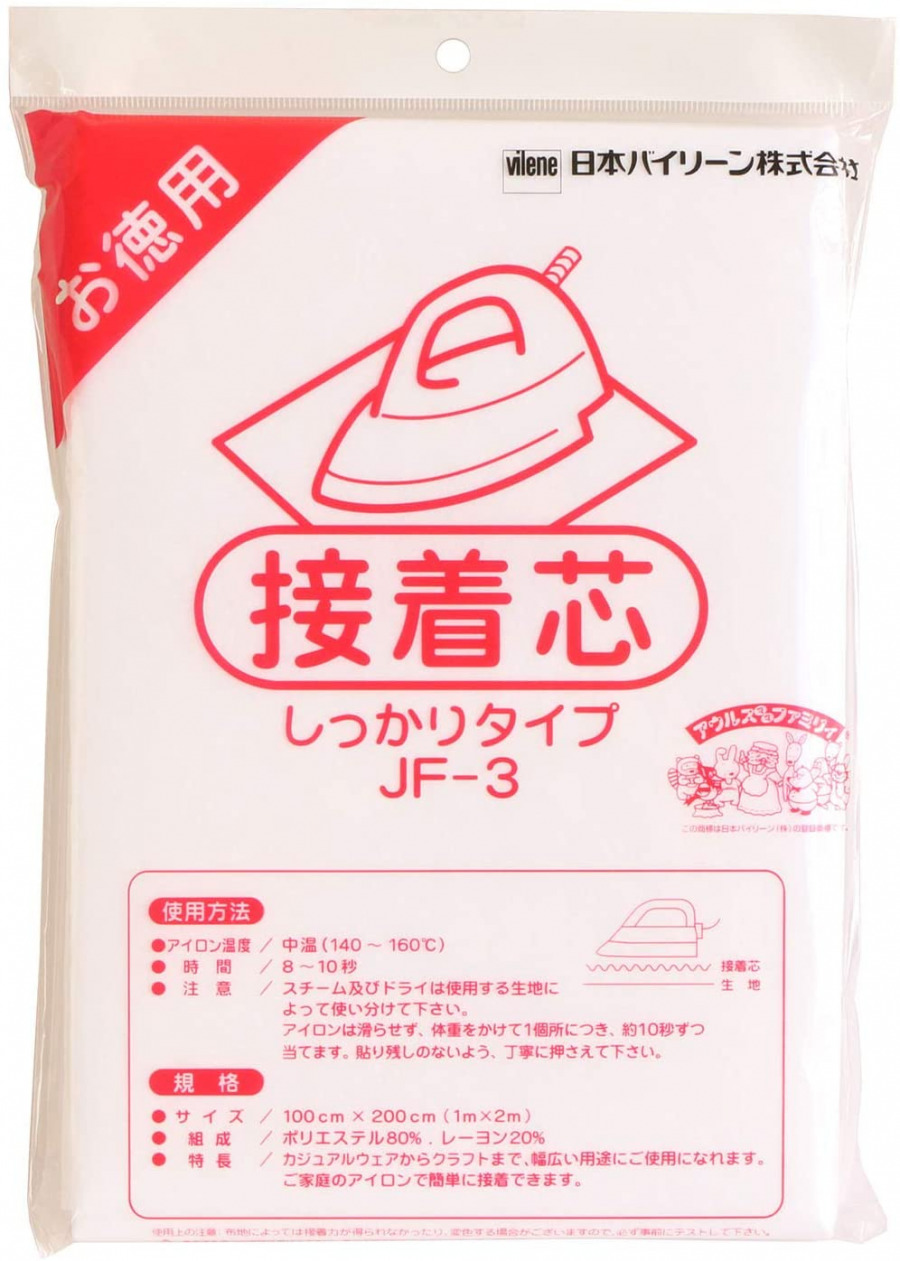
- Material: 80% Polyester, 20% Rayon
- Use: Bags, hats, belt interfacing
- Suitable Fabrics: Medium to heavy-weight fabrics
Thicker and more rigid than JF2, providing a firm finish.
SMZ-JF4 Non-woven Fusible Interfacing – Extra Firm Type
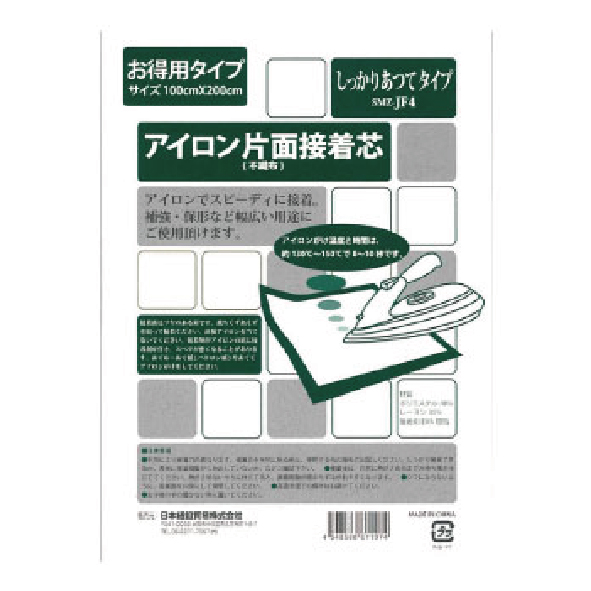
- Material: 70% Polyester, 30% Rayon
Born from customer requests for a thicker interfacing, this is our original product. Among the JF series, it is the thickest and firmest interfacing we offer.
FB Series
Quickly fusible with an iron! Perfect for a wide range of uses such as reinforcement and shaping.
Since it’s black, be sure to check that it matches the fabric’s thickness and color before use.
FB-1 Non-woven Fusible Interfacing – Soft Type
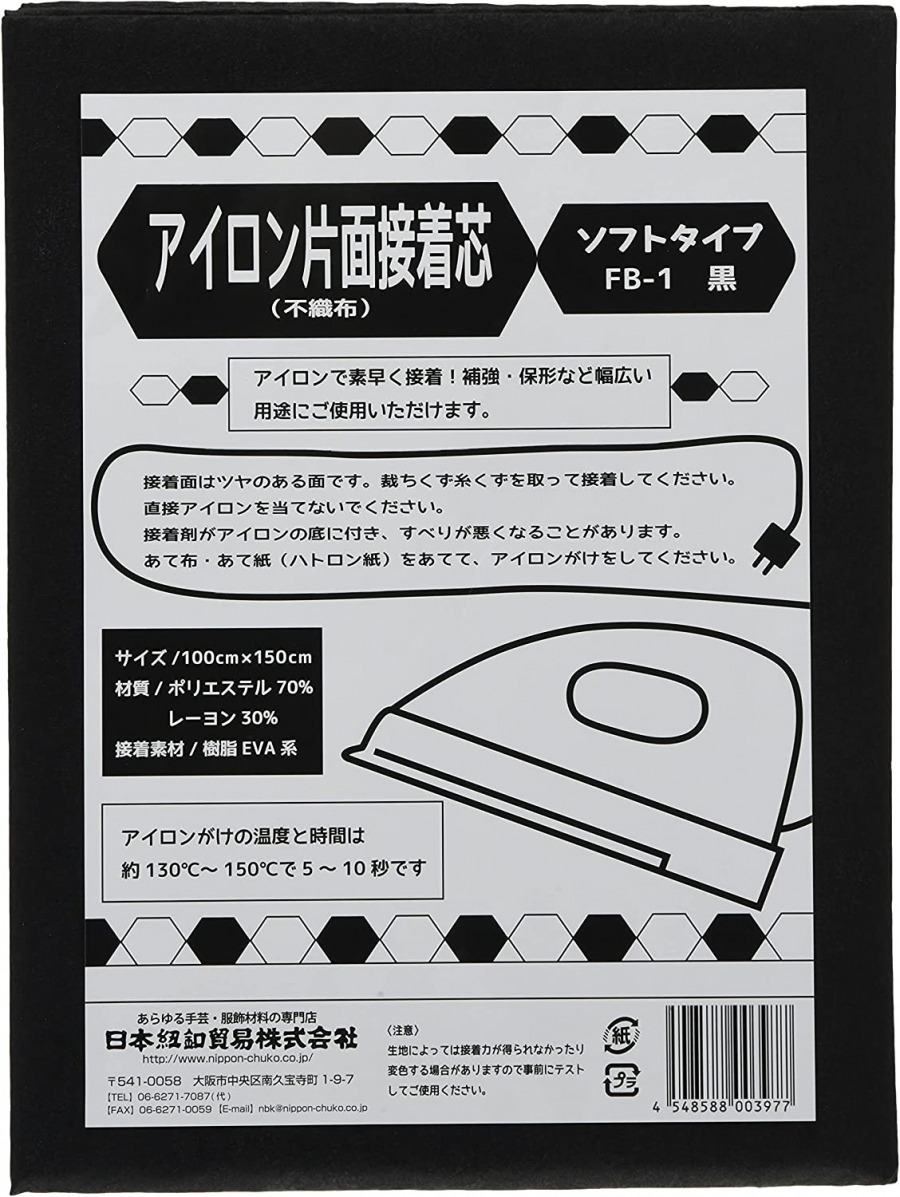
- Material: 70% Polyester, 30% Rayon
- Fusible Coating: EVA resin-based
- Type: Non-woven, fusible on one side
- Suitable Fabrics: Light to medium-weight fabrics
FB-2 Non-woven Fusible Interfacing – Firm Type
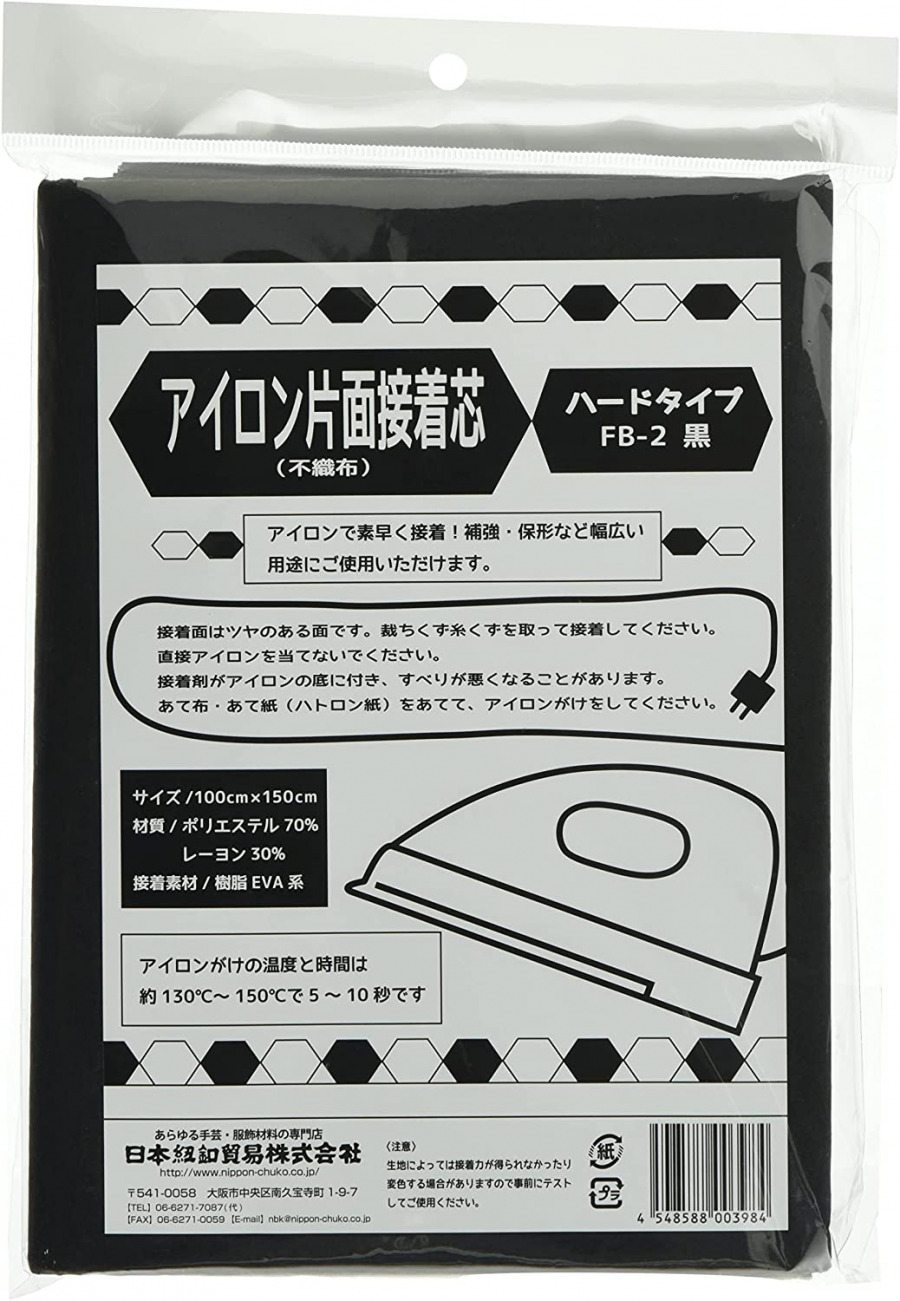
- Material: 70% Polyester, 30% Rayon
- Fusible Coating: EVA resin-based
- Type: Non-woven, fusible on one side
- Suitable Fabrics: Medium to heavy-weight fabrics
Chuko Onlineオンラインストアでご注文
Chuko Online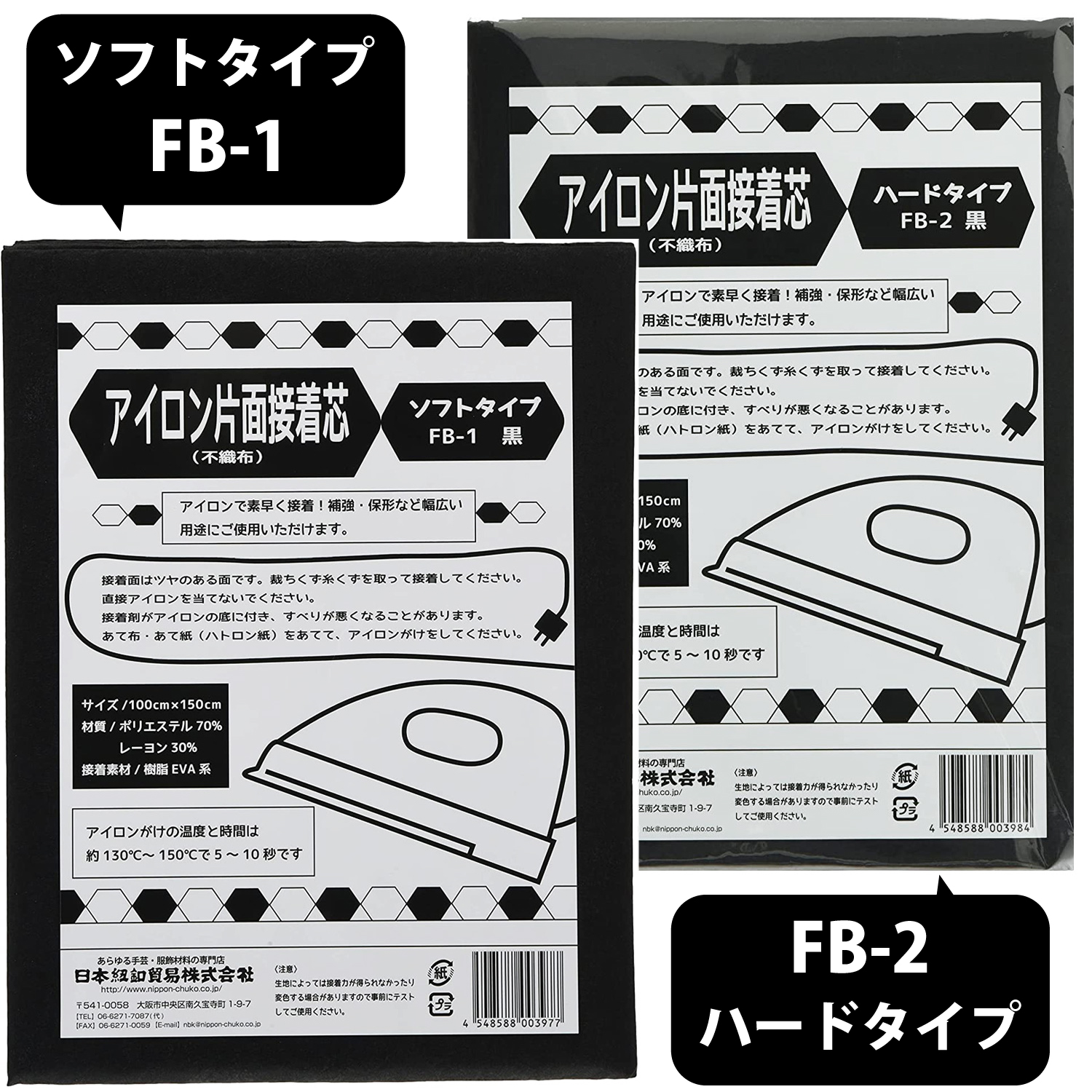
AM Series
Non-woven interfacing is highly dimensionally stable, making it easy to use even for beginners.
Our AM series, like the JF series, comes in various thicknesses and firmness levels. Since each piece is slightly shorter in length, it’s also perfect for those who want to keep several types neatly stocked in a compact space.
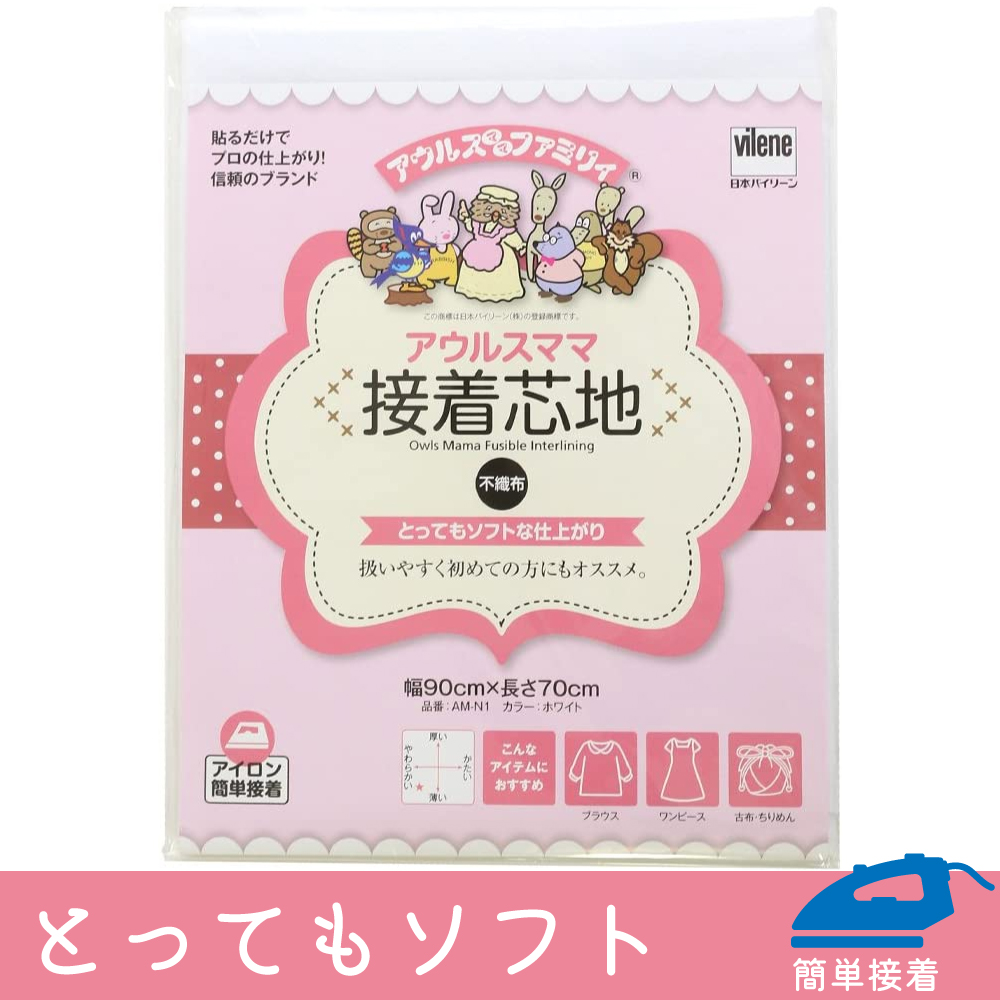
AM-N1 Vilene Non-woven interfacing Super soft
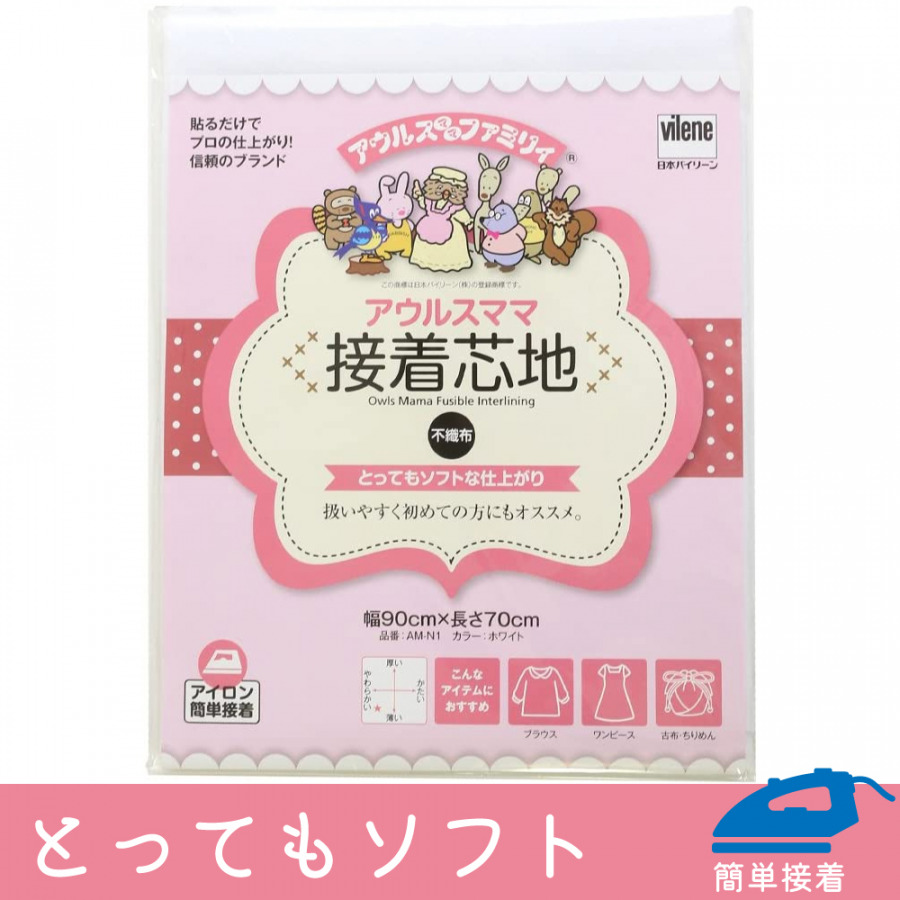
- Material: 85% Nylon, 15% Polyester
A non-woven interfacing ideal for lightweight fabrics.
It gives a soft, gentle finish.
Common uses include blouses, dresses, vintage fabrics, and chirimen crafts.
AM-N2 Vilene Non-woven interfacing Soft (Standard)
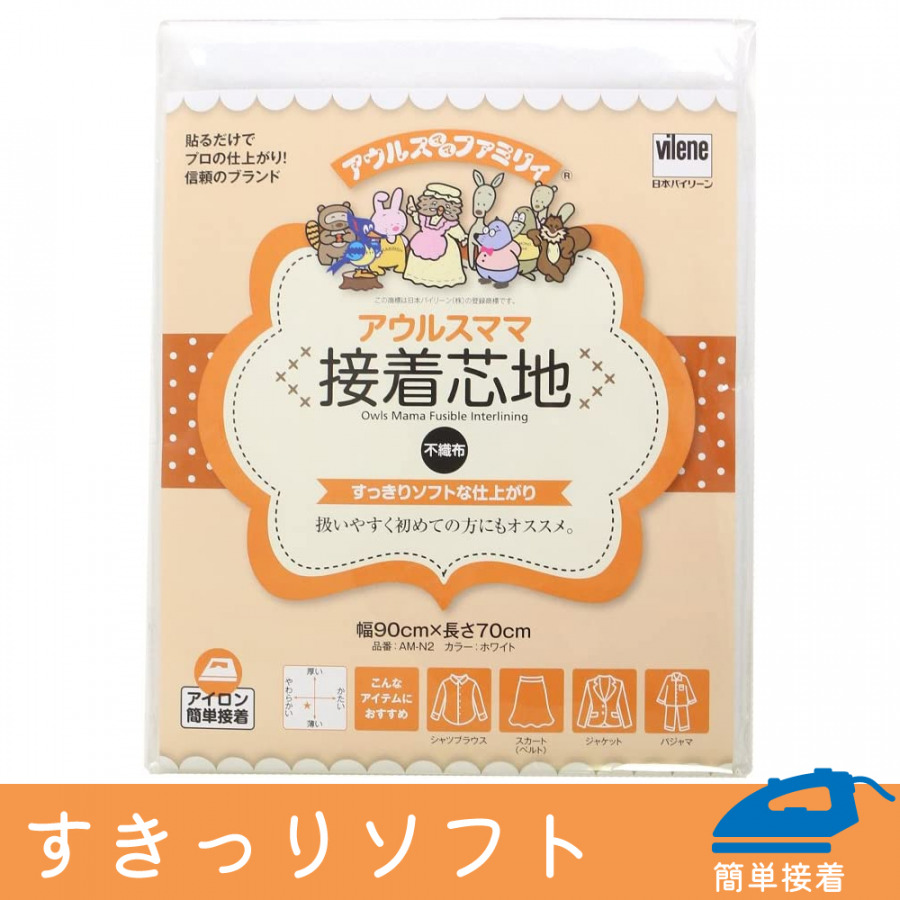
- Material: 100% Polyester
A non-woven interfacing ideal for lightweight fabrics.
It gives a soft, gentle finish.
Common uses include blouses, dresses, vintage fabrics, and chirimen crafts.
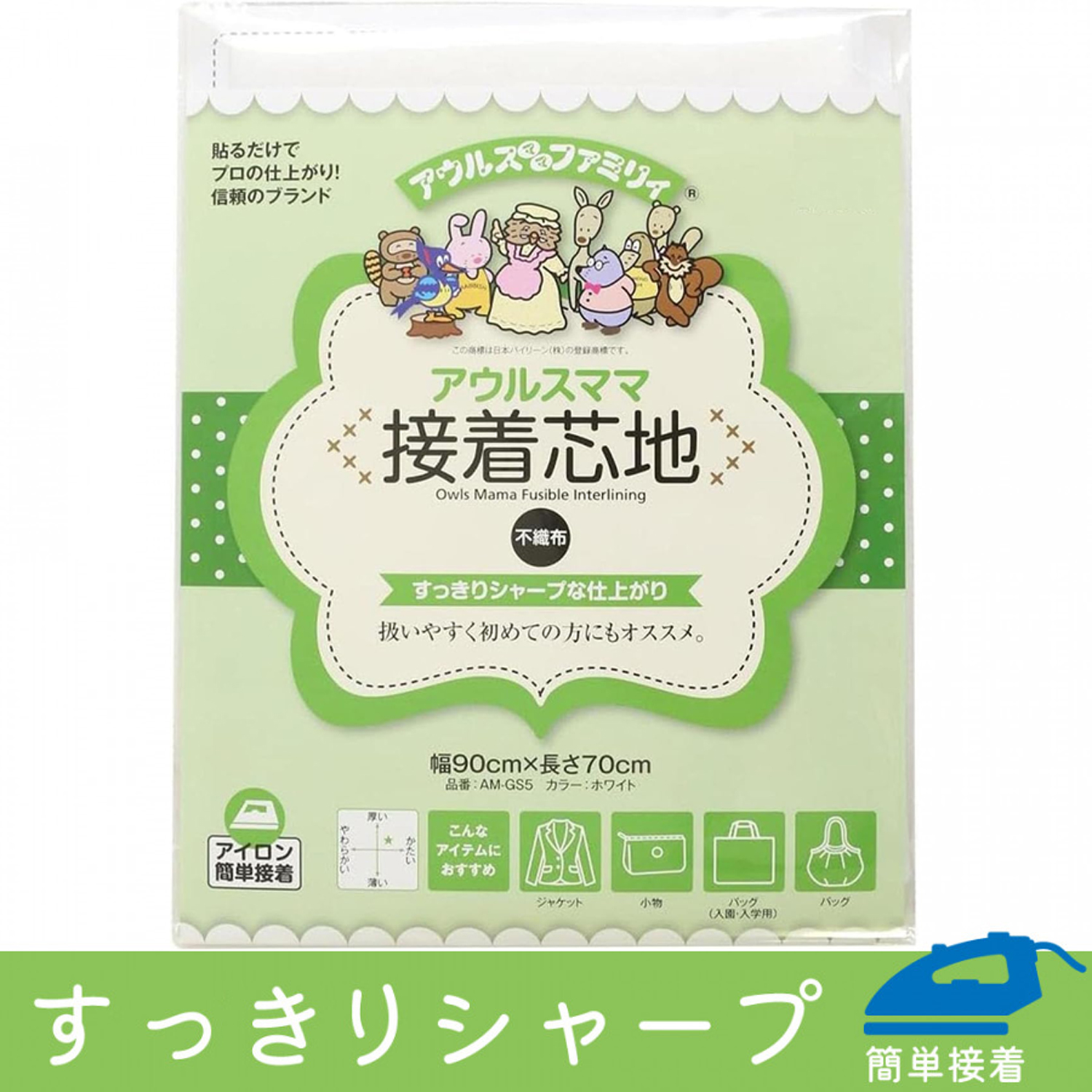
AM-GS5 Vilene Non-woven interfacing Heavy
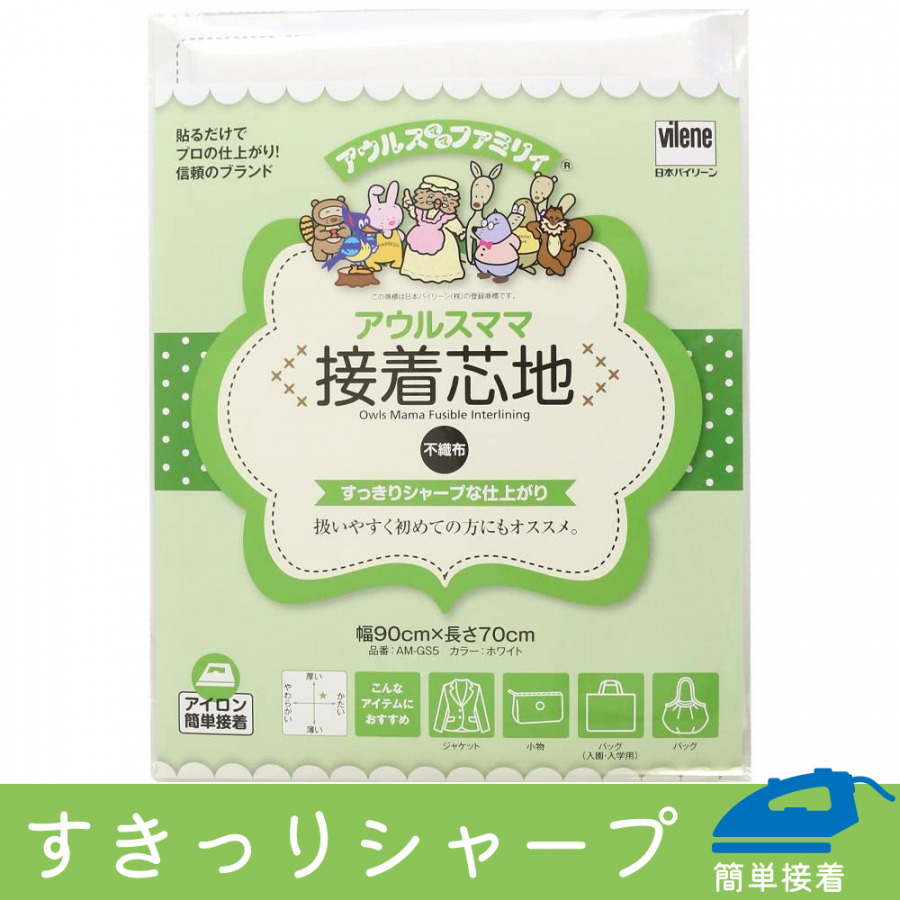
- Material: 60% Nylon, 40% Polyester
A non-woven interfacing with firm body and a crisp, sharp finish.
It holds its shape well and is suitable for lightweight to medium-weight fabrics.
Common uses include jackets, small accessories, and bags.
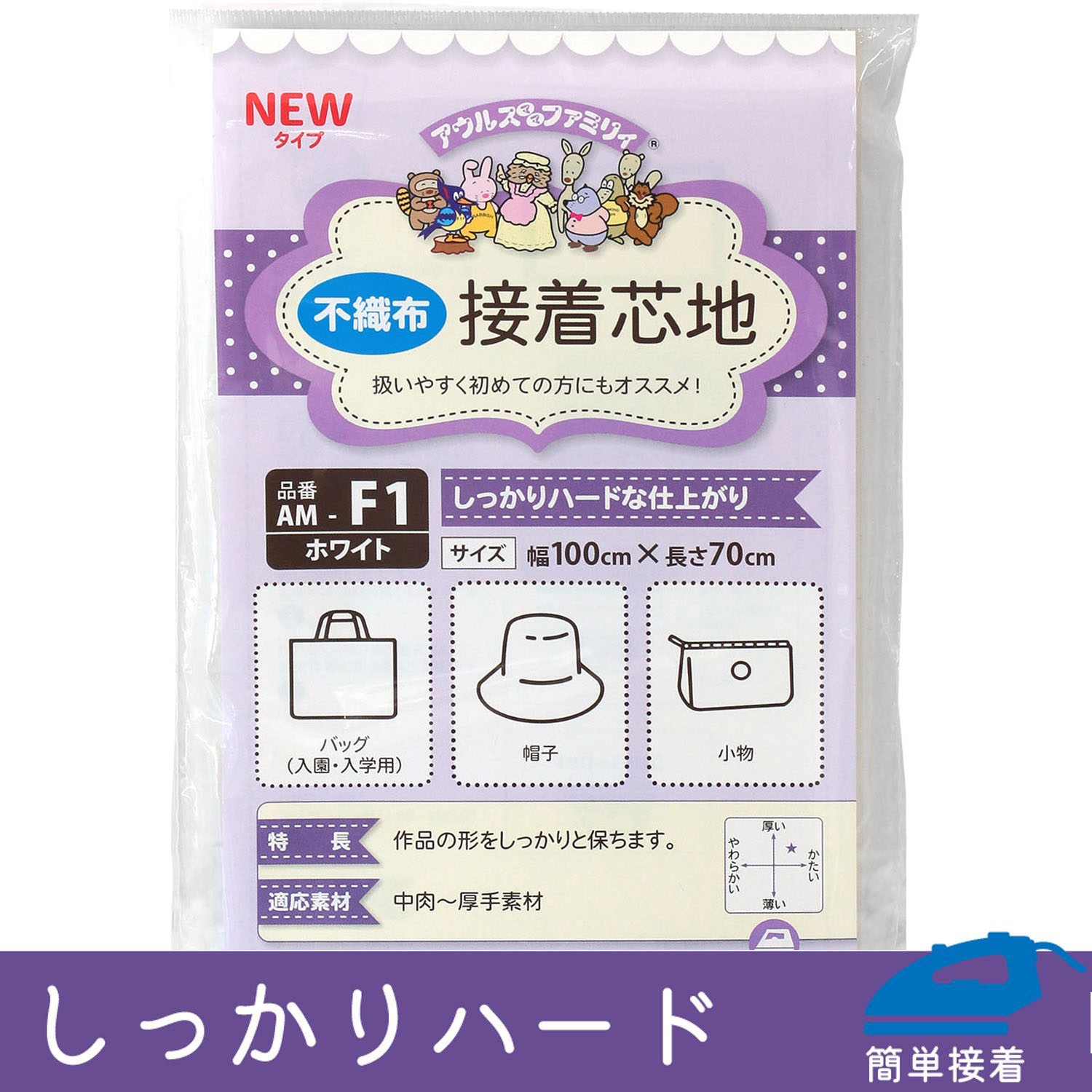
AM-F1 Vilene Non-woven interfacing Hard
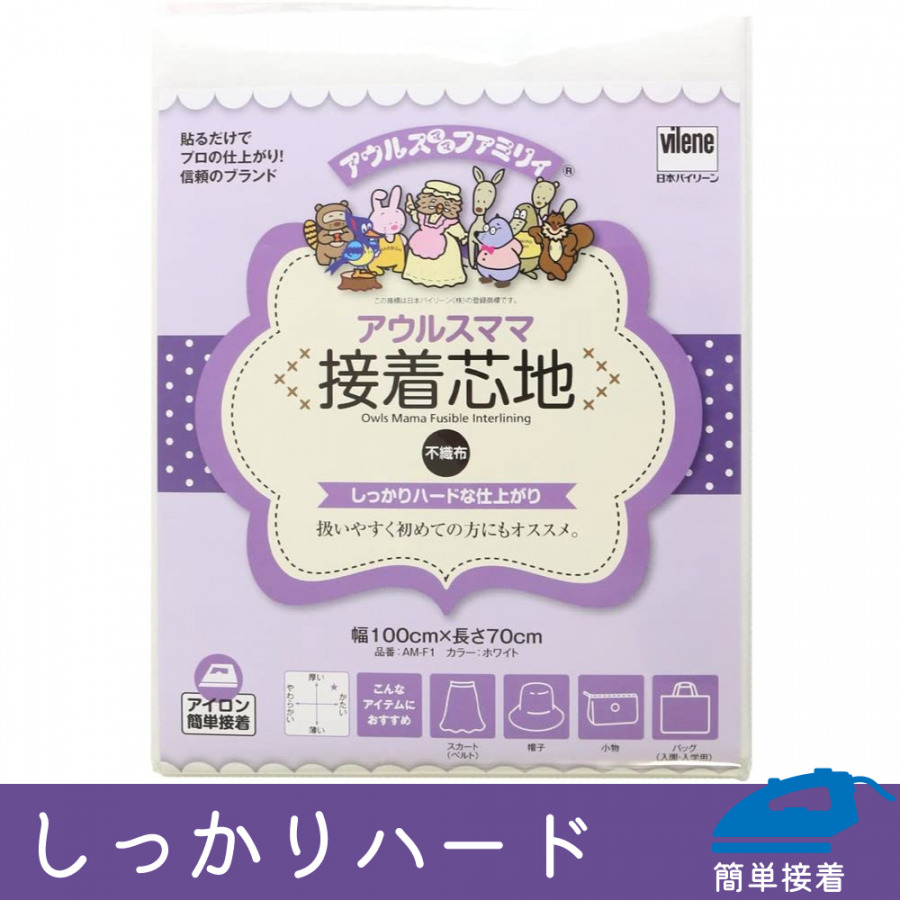
- Material: 50% Polyester, 50% Rayon
A non-woven interfacing with firm body and a sturdy feel.
Ideal for medium- to heavy-weight fabrics, it keeps the shape of items like bags and hats.
Common uses include skirt waistbands, hats, small goods, and bags.

Sharp Interfacing
JF101 Sharp Interfacing – Light,JF102 Sharp Interfacing – Medium,JF103 Sharp Interfacing – Heavy
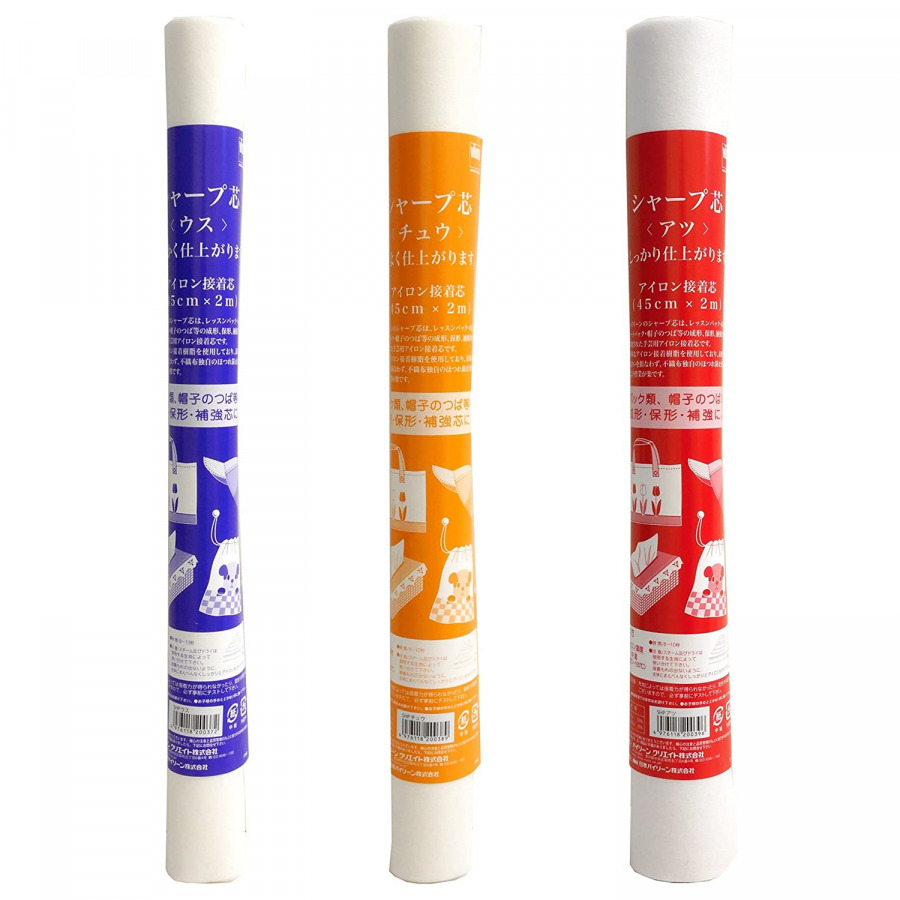
- JF101/JF102 Material: 75%Rayon, 25% Polyester
- JF103 Material: 50% Rayon, 25% Polyester
An iron-on fusible interfacing designed for shaping and reinforcing items such as bags or hat brims where you want to prevent distortion.
Its anti-fraying feature makes it easy to work with, and it can be quickly fused using a regular household iron.
Chuko Onlineオンラインストアでご注文
Chuko Online![【大巻】SHP-25 オルヌマン アウルスママ シャープ芯 50cm×25m [旧品番JF101~103-25R] (個)](https://www.nippon-chuko.co.jp/shop/html/upload/save_image/1121124129_673eabe956433.jpg)
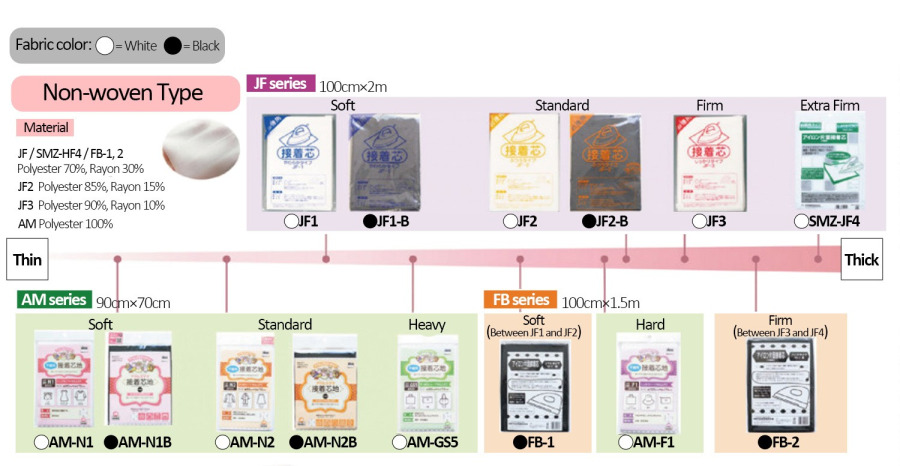
Here’s a summary chart of the non-woven fusible interfacings introduced above.
Chuko Onlineオンラインストアでご注文
Chuko OnlineFusible Interfacing Type — Woven
Woven fusible interfacing is more flexible and less prone to wrinkling compared to non-woven types. It has a fabric-like texture and is durable enough to withstand washing, making it ideal for garments such as shirts, jackets, and skirts.
Y203 Series
Y203 Fusible Interfacing – Lightweight Type
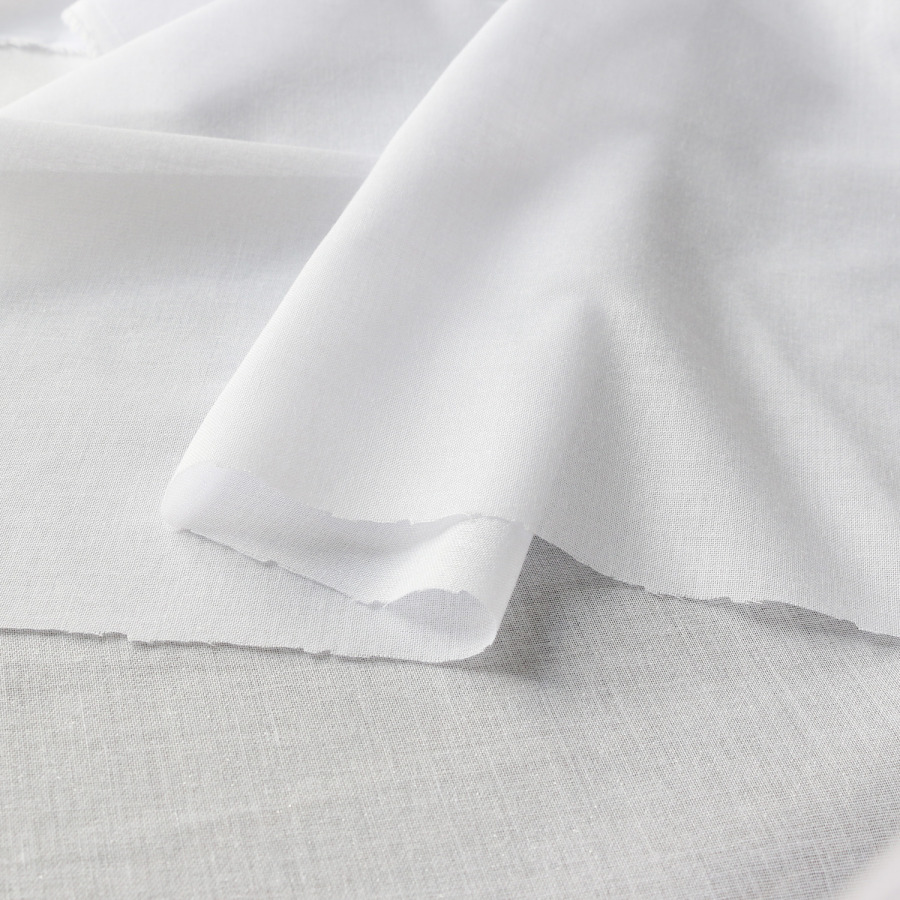
- Material: 65% Polyester, 35% Cotton
This lightweight interfacing blends smoothly with the outer fabric and offers excellent adhesion.
It’s available in an impressive range of eight colors!
Chuko Onlineオンラインストアでご注文
Chuko Online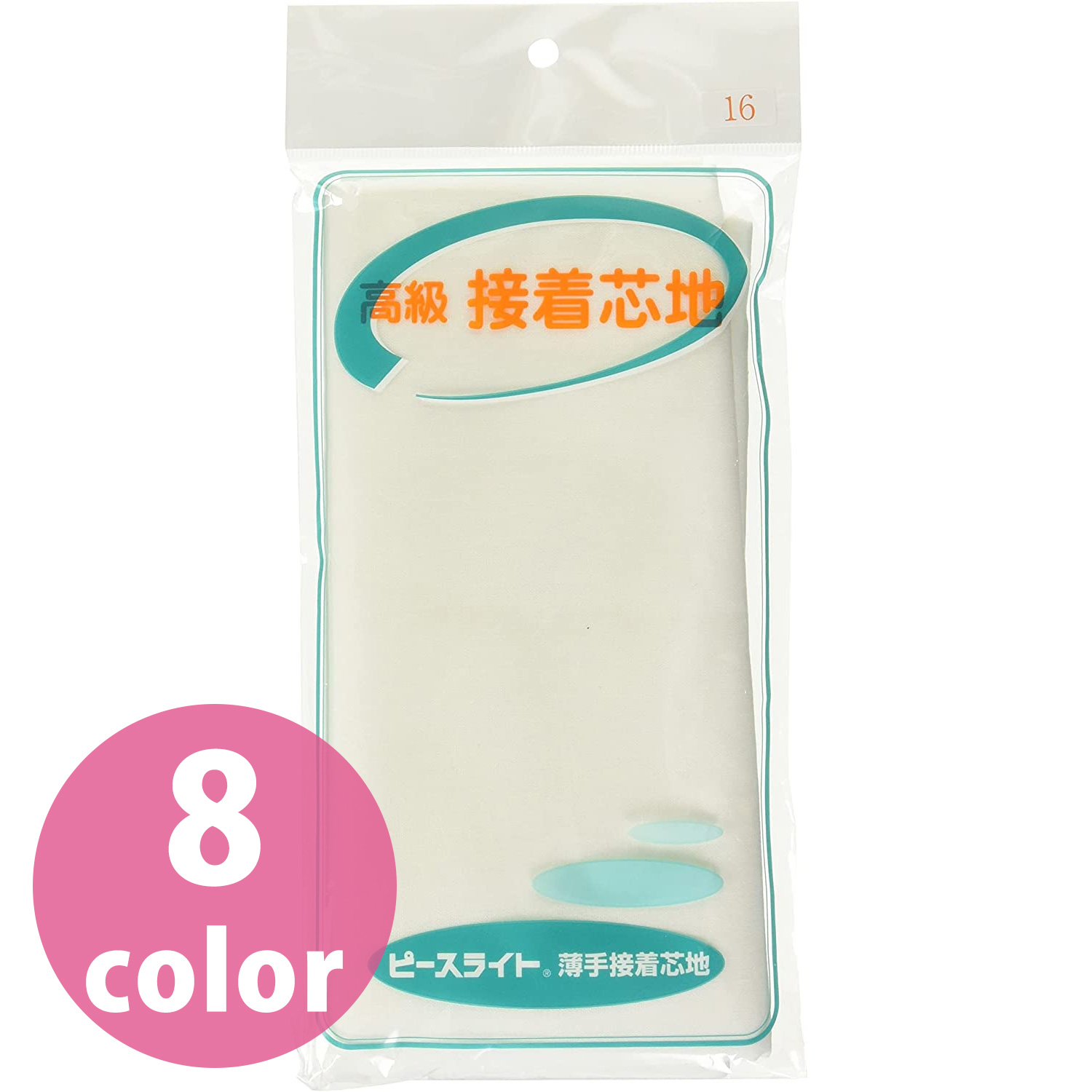
WF Series
This one-sided fusible interfacing can be easily applied with a household iron and is perfect for preventing fabric distortion or adding reinforcement.
It has a soft, smooth texture with a slight firmness (a bit stiffer than the PWQ Series introduced later) and features stretchability, making it a versatile choice suitable for a wide range of materials — from knits to chirimen (crepe fabric).
Because it can be fused easily with a regular iron, it’s ideal for many sewing projects such as dressmaking (shirts, blouses), bags, and small fabric accessories.
WF-30 Vilene Woven Fusible Interfacing – Soft Type
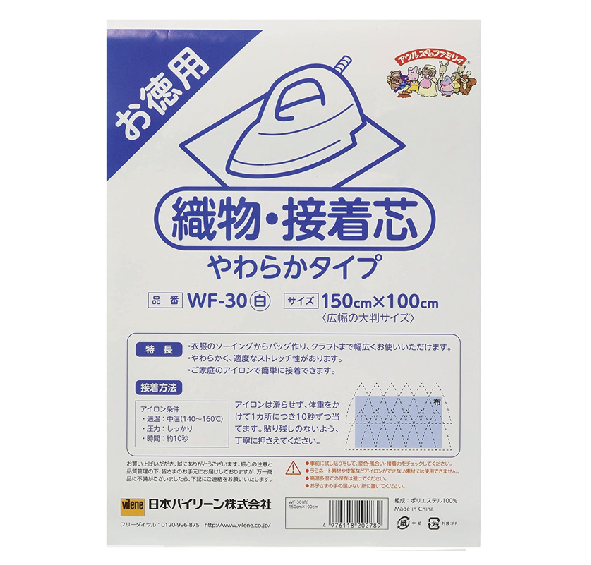
- Material: 100% Polyester
- Recommended for: lightweight to medium-weight fabrics
WF-50 Vilene Woven Fusible Interfacing – Standard Type
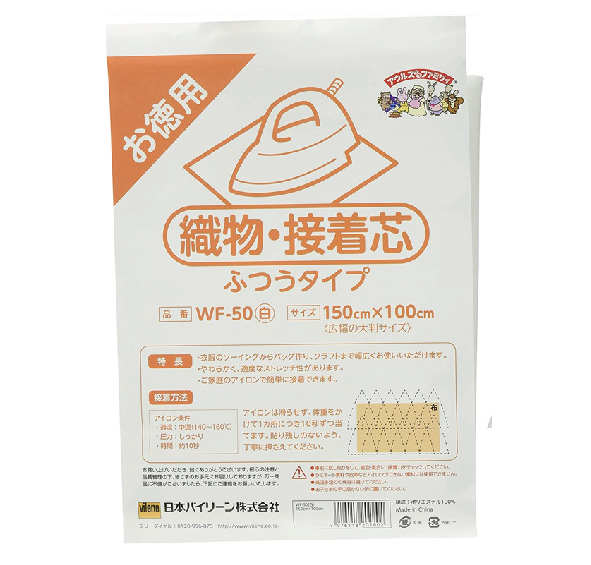
- Material: 100% Polyester
- Recommended for: medium- to heavyweight fabrics
Chuko Onlineオンラインストアでご注文
Chuko Online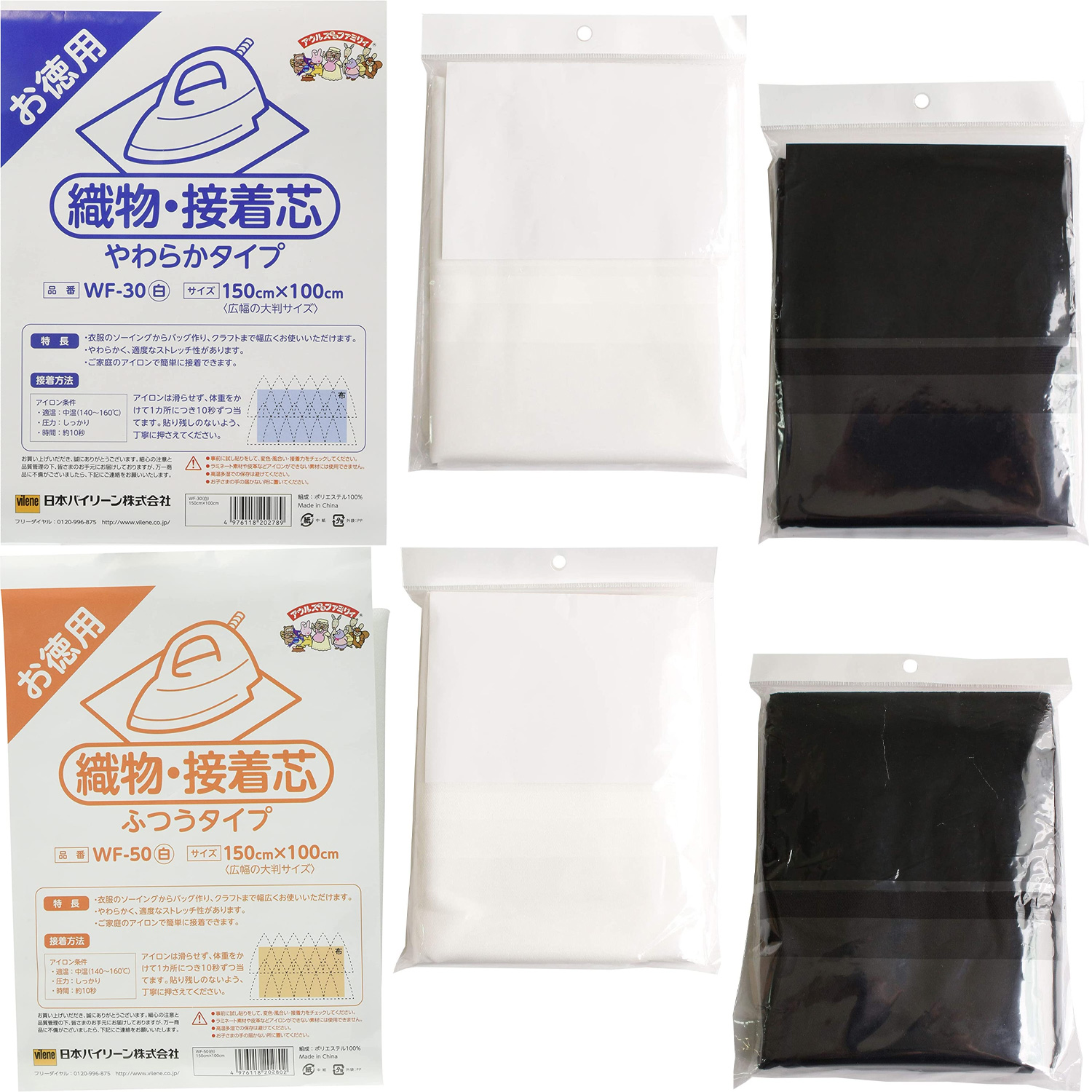
SMZ Serires
SMZ-470 Woven Fusible Interfacing – Standard Type
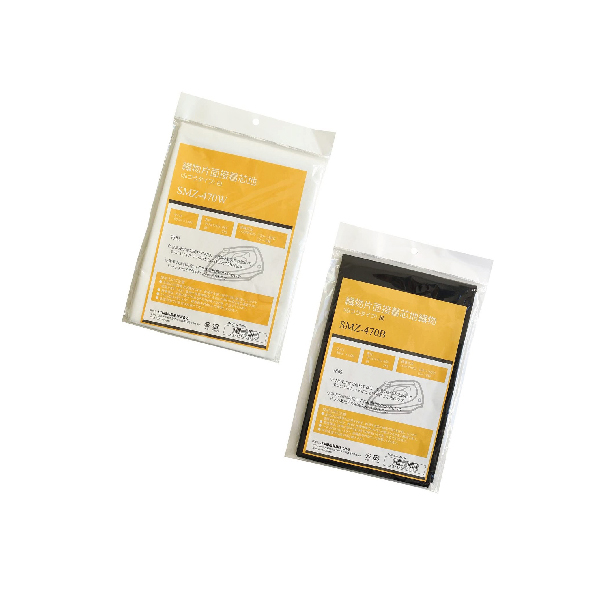
- Material: 65% Polyester, 35% Cotton
Excellent dimensional stability helps prevent distortion, making it ideal for casual wear and similar garments.
Available in two colors: white and black.
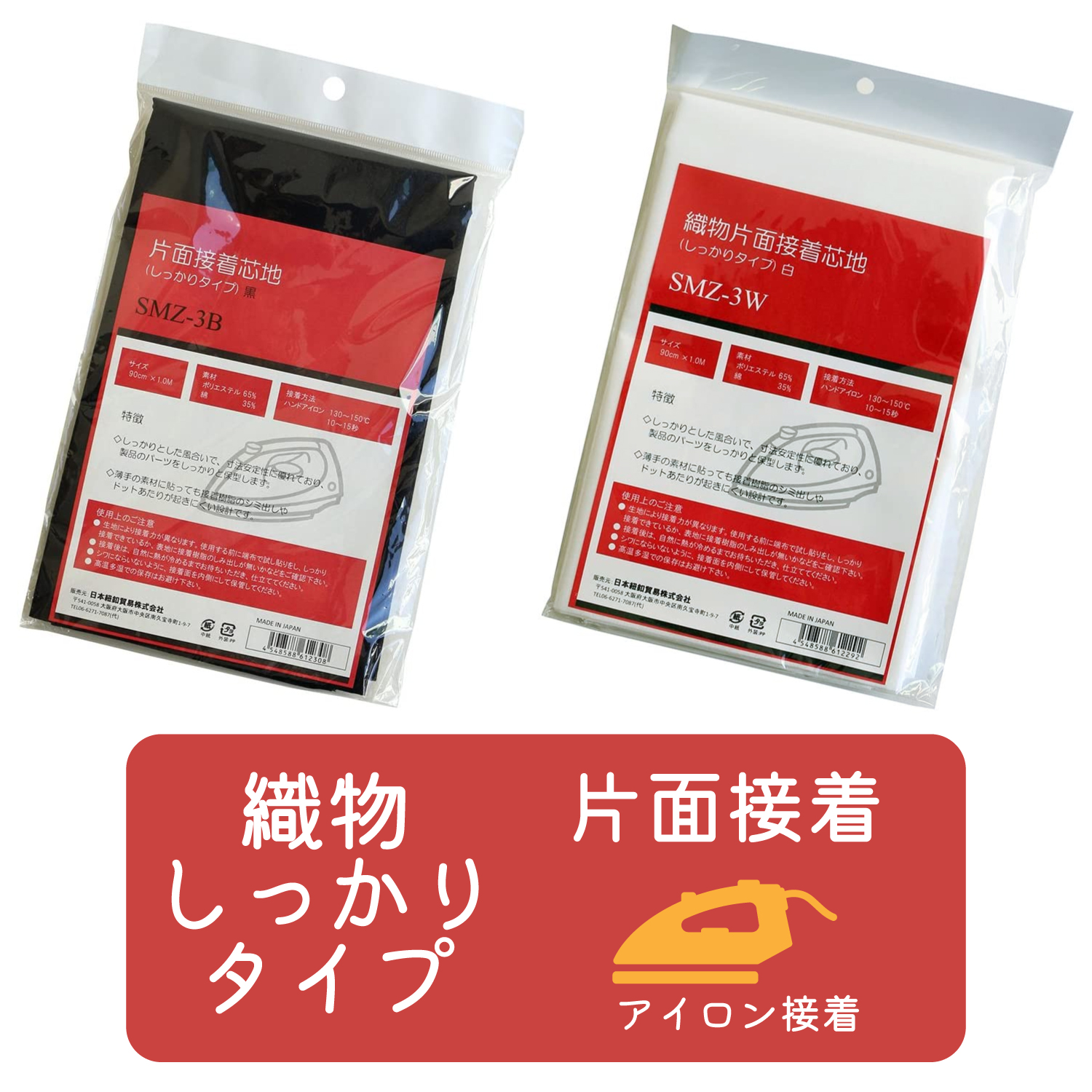
SMZ-3 Woven Fusible Interfacing – Firm Type
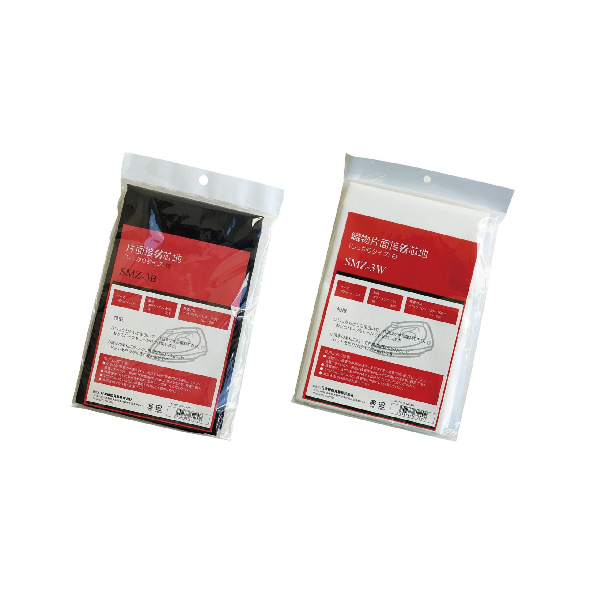
- Material: 65% Polyester, 35% Cotton
Provides a firm texture with excellent dimensional stability, helping parts of a garment maintain their shape.
Designed to minimize resin bleed-through or visible adhesive dots, even when used on lightweight fabrics.
Chuko Onlineオンラインストアでご注文
Chuko Online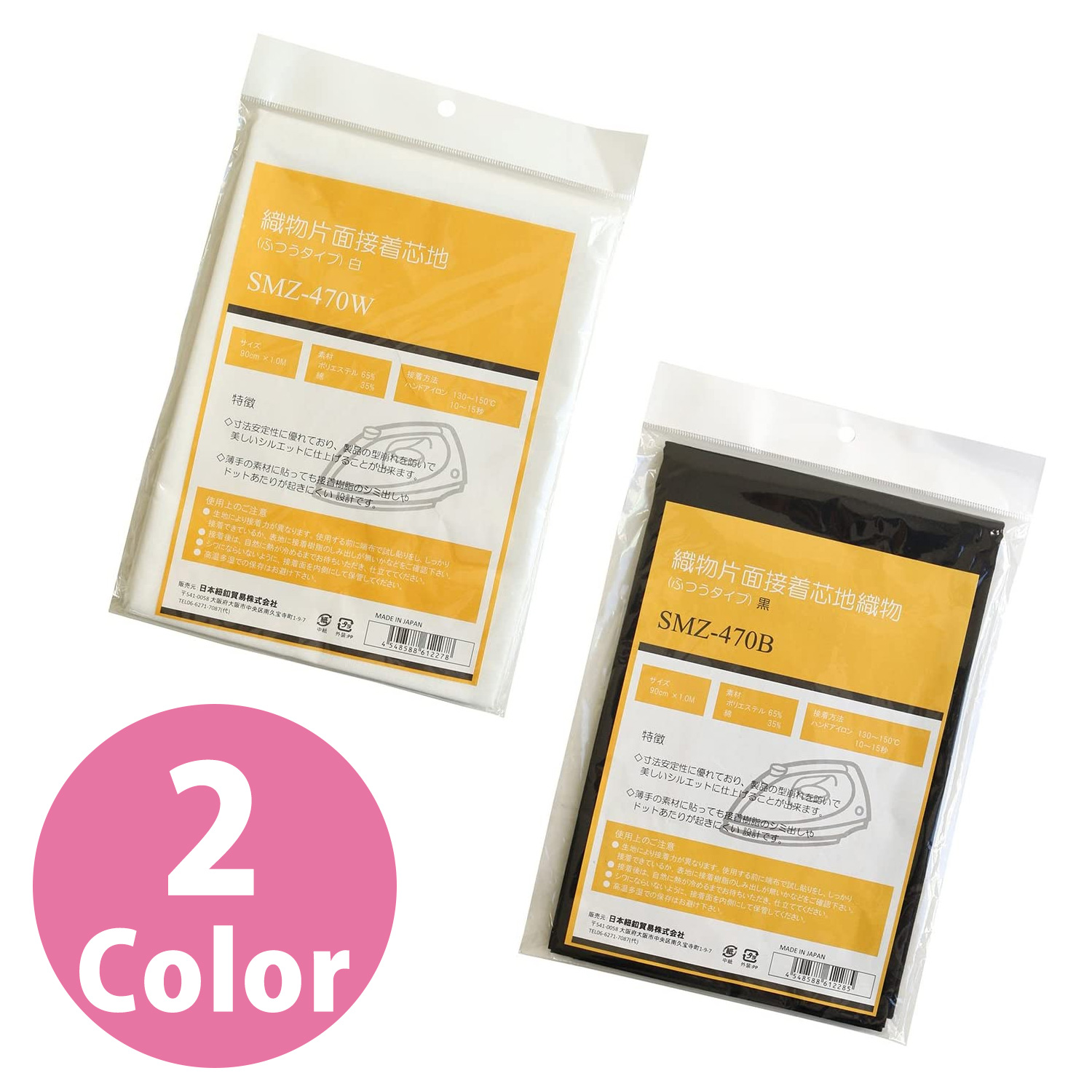
AM Series
The AM Series offers a wide variety of options, allowing you to choose the best interfacing based on your fabric and project type.
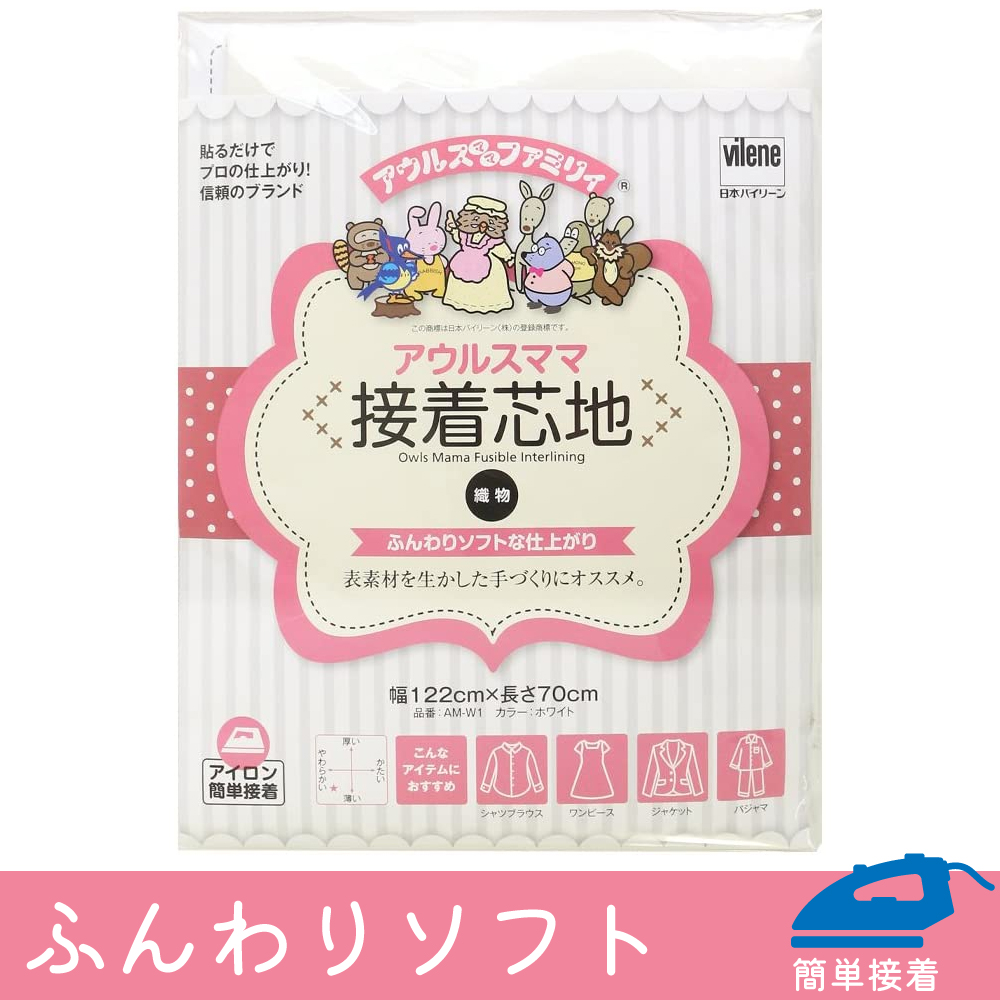
Vilene Woven Interfacing – Soft Type
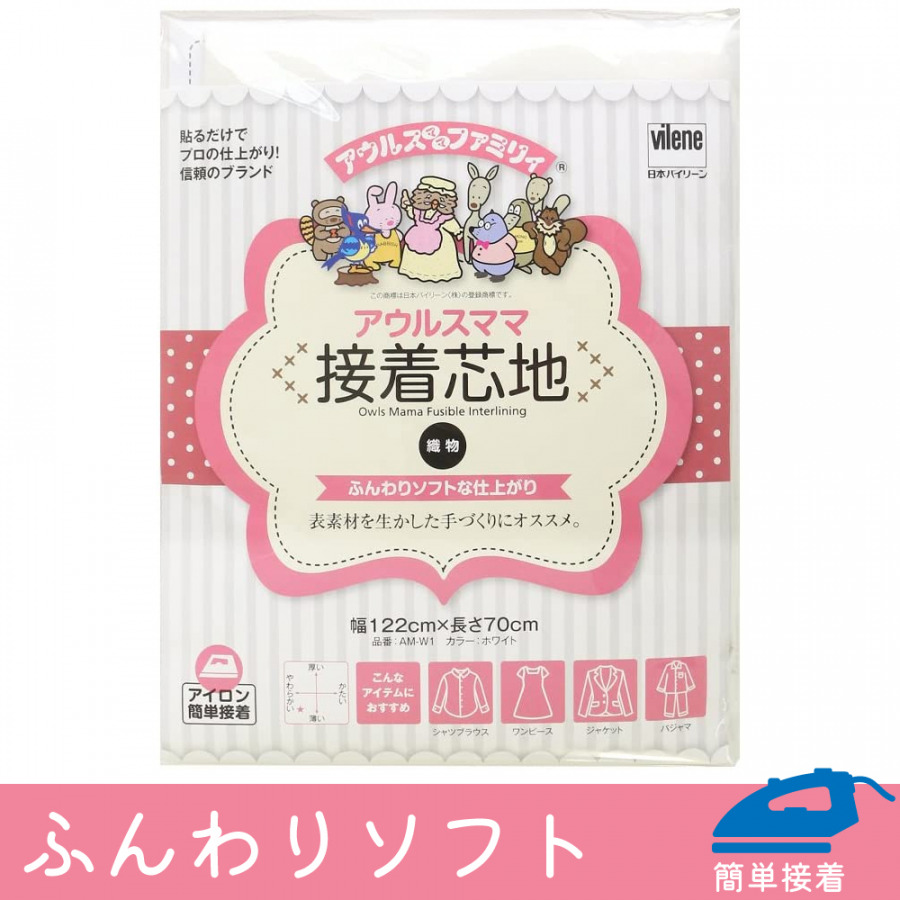
- Material: 100% Polyester
A premium-quality interfacing that enhances the natural texture of your outer fabric.
Lightweight and gently fluffy with stretch properties, making it suitable for various materials such as knit fabrics.
Recommended uses: shirts, blouses, dresses, jackets, pajamas, and more.
Compatible fabrics: lightweight to medium-weight fabrics, stretch fabrics.
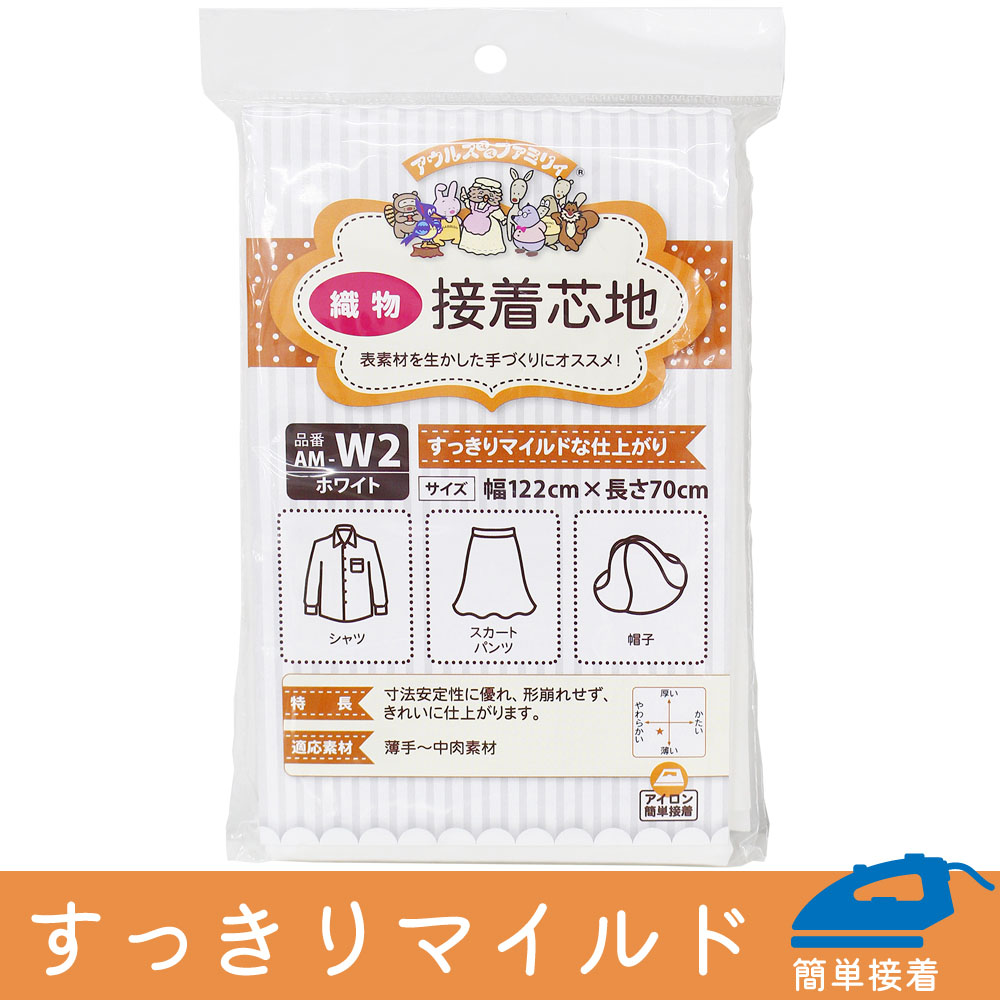
Vilene Woven Interfacing – Mild Type
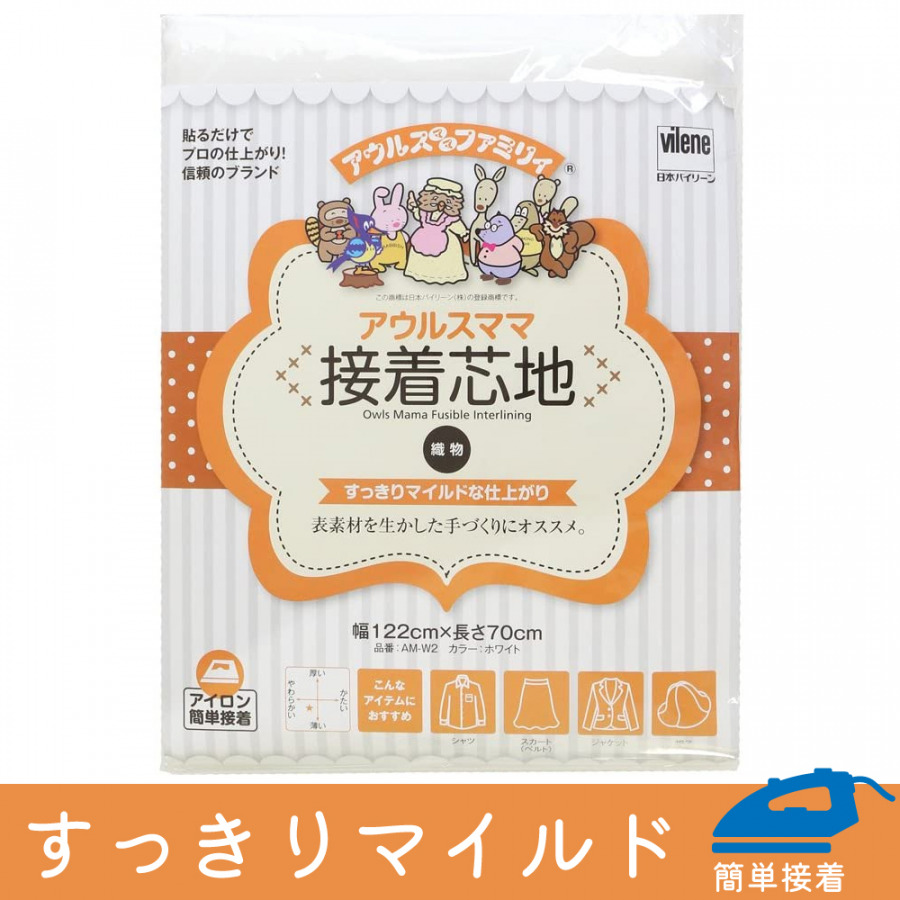
- Material: 100% Polyester
Thin with a slightly crisp, natural texture.
Excellent dimensional stability ensures a clean, structured finish that resists deformation.
Perfect for collars, front plackets, belts, and similar parts.
Recommended uses: skirts (waistbands), jackets, hats, etc.
Compatible fabrics: lightweight to medium-weight fabrics.
Vilene Woven Interfacing – Sharp Type
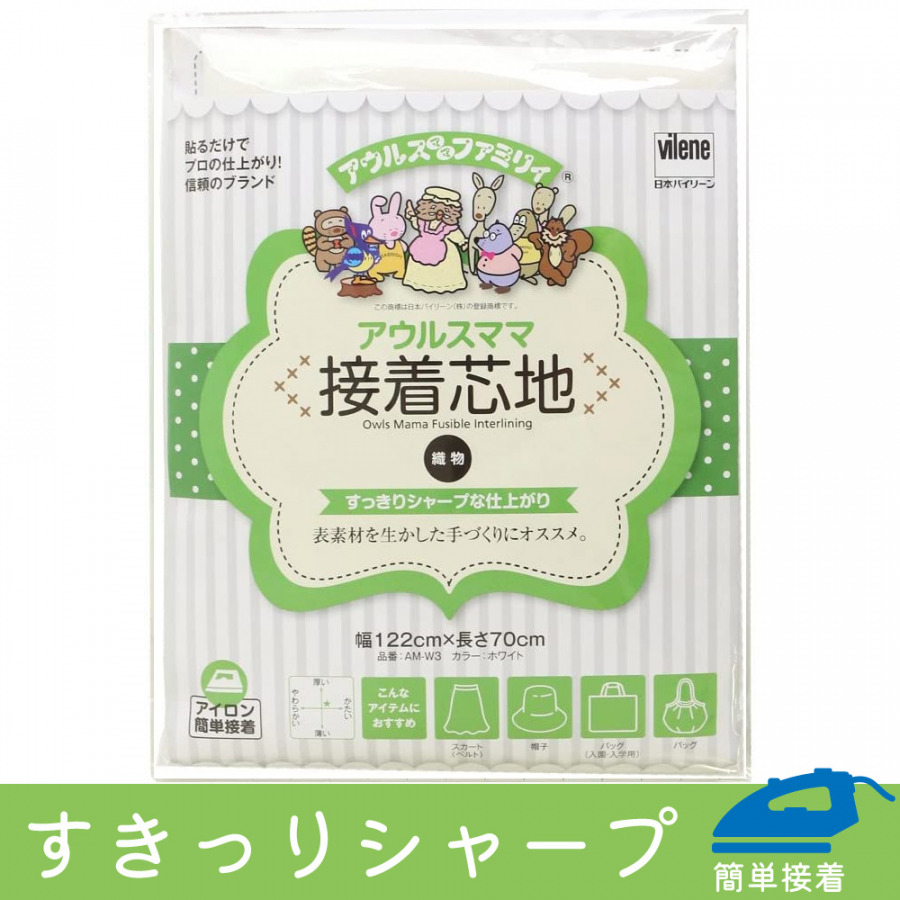
- Material: 100% Polyester
A woven interfacing with a crisp, firm texture that provides structure and stability.
Excellent dimensional stability helps garments maintain their shape and prevents deformation.
Also ideal for bags and hats.
Recommended uses: skirts (waistbands), hats, bags, etc.
Compatible fabrics: medium-weight fabrics.
Vilene Woven Interfacing – Firm Hard Type
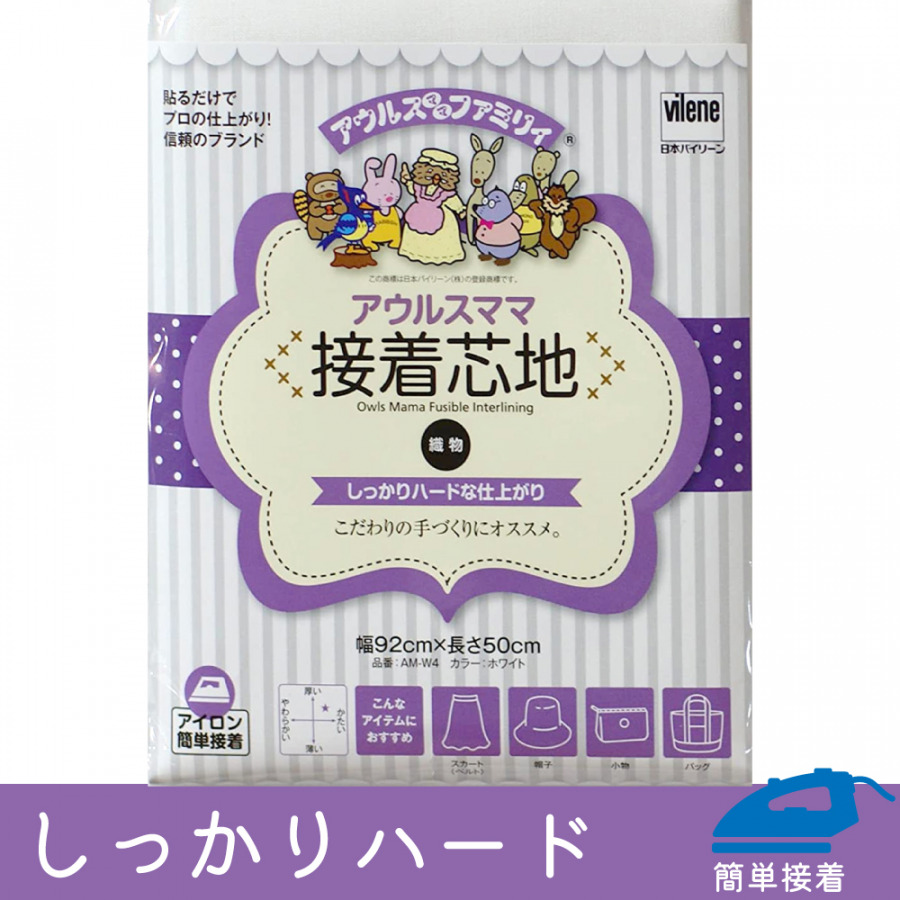
- Material: 100% Polyester
Provides a clean, crisp finish with noticeable firmness and body.
Offers excellent dimensional stability and helps garments retain their shape.
Vilene Woven Interfacing – Super Hard Type
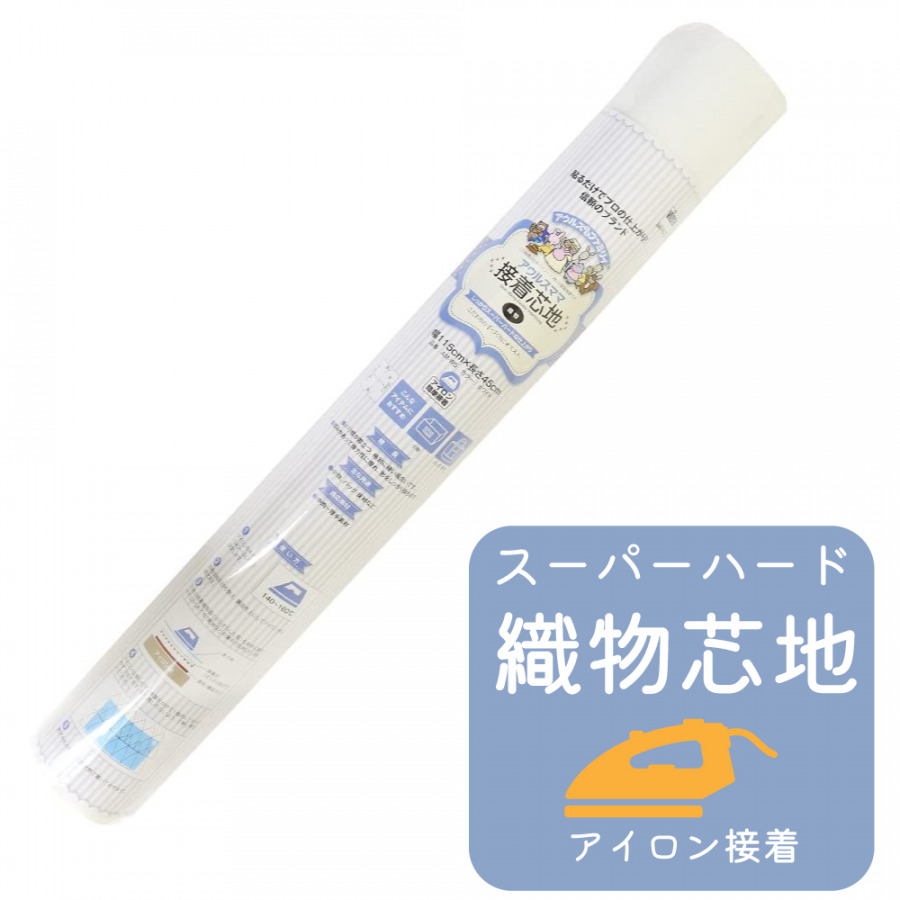
- Material: 100% Polyester
Exceptionally firm with a distinctive stiffness and excellent resilience.
Thick and durable, it maintains shapes beautifully.
Recommended uses: small items, bags, and craft bases.
Compatible fabrics: medium- to heavy-weight fabrics.
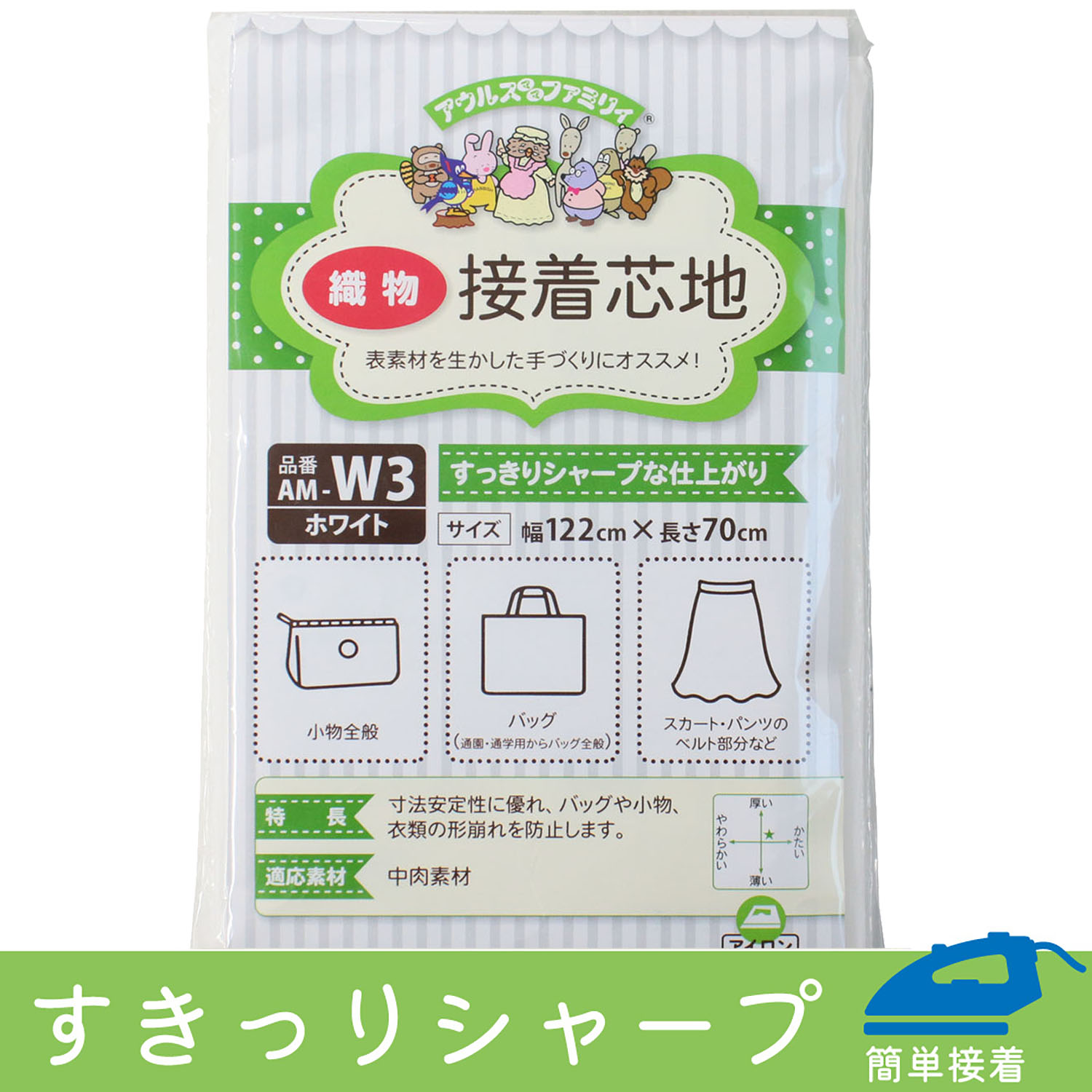
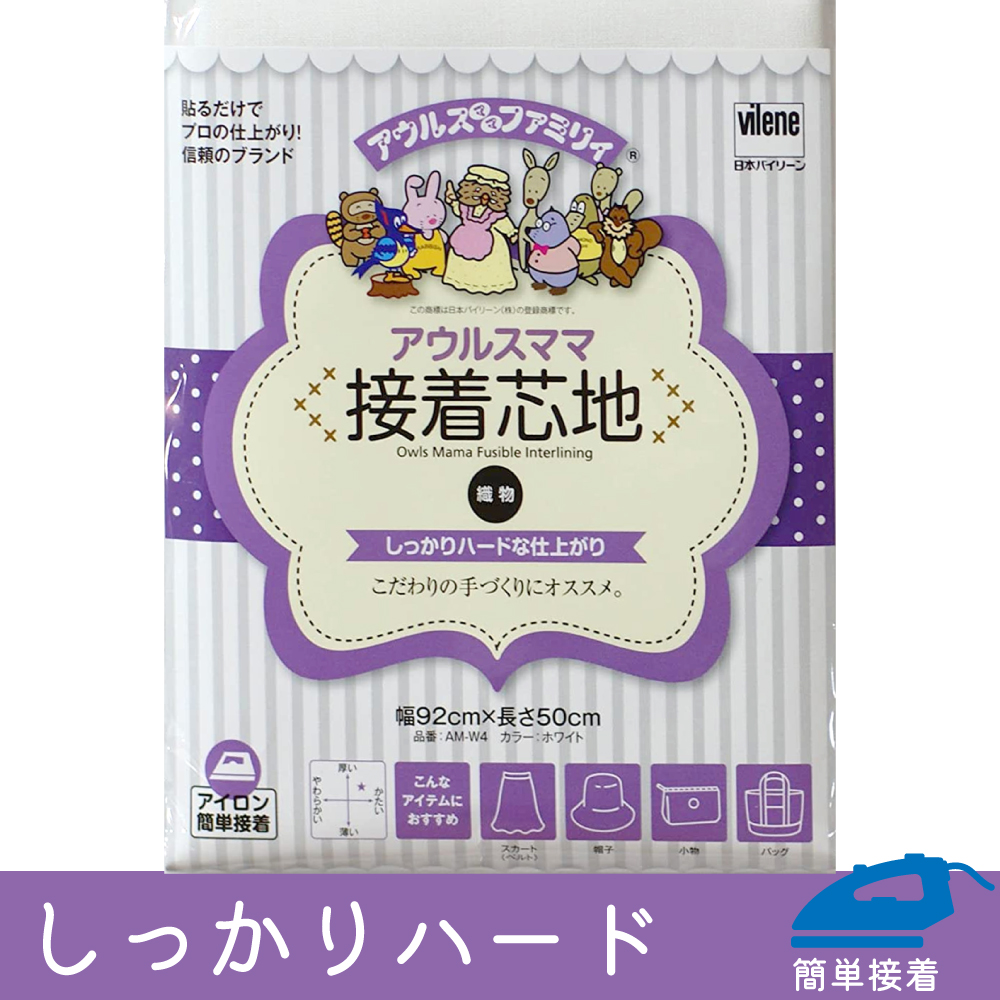
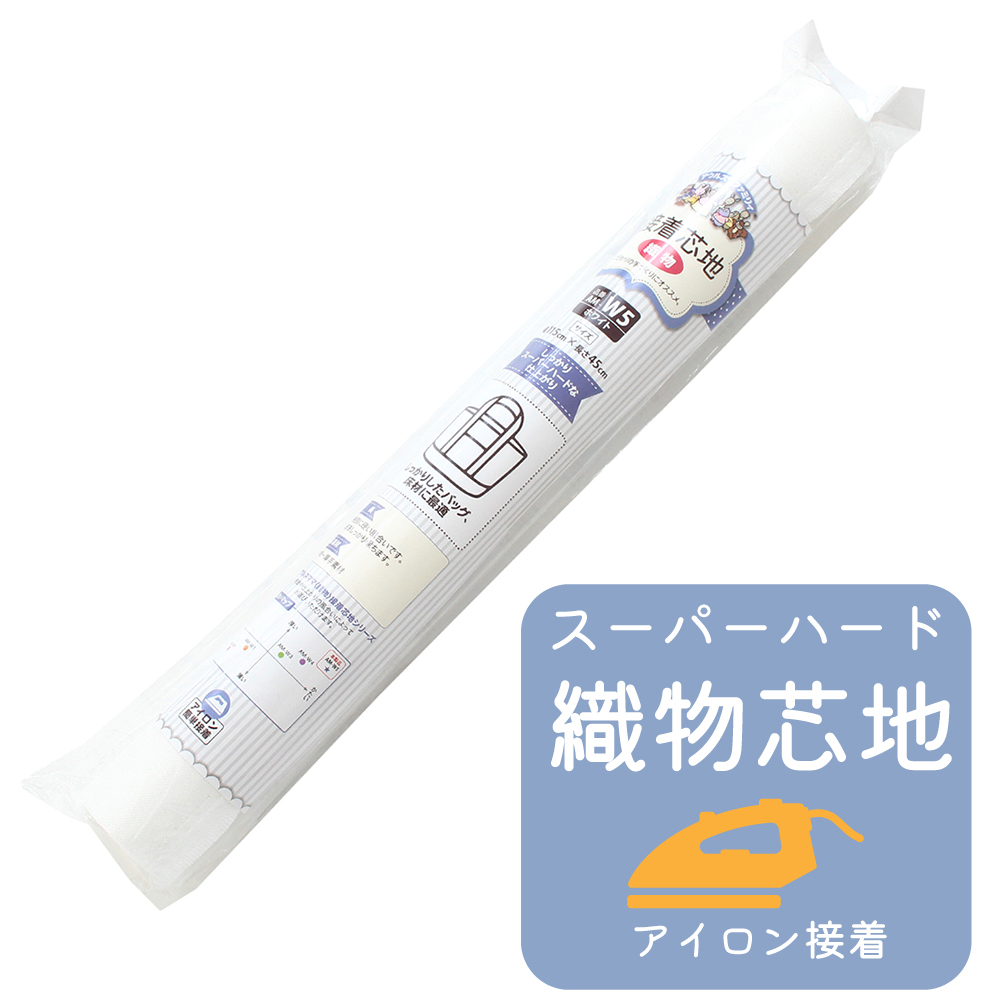
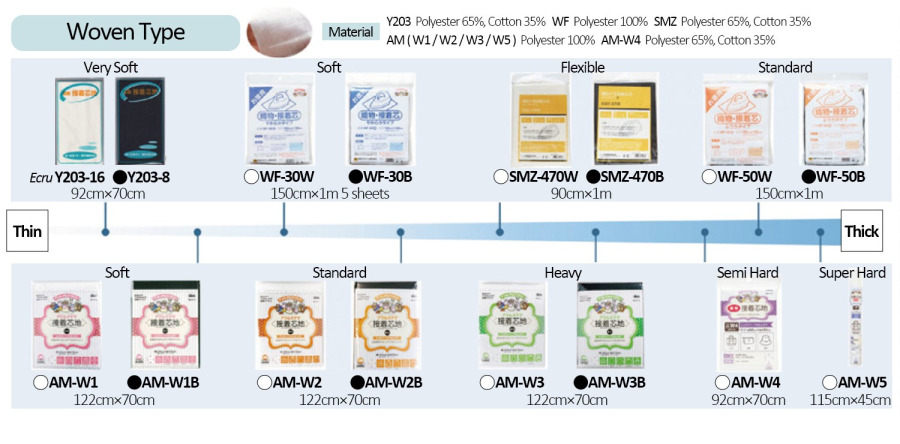
Here’s a summary chart of the woven fusible interfacings introduced above.
Chuko Onlineオンラインストアでご注文
Chuko Online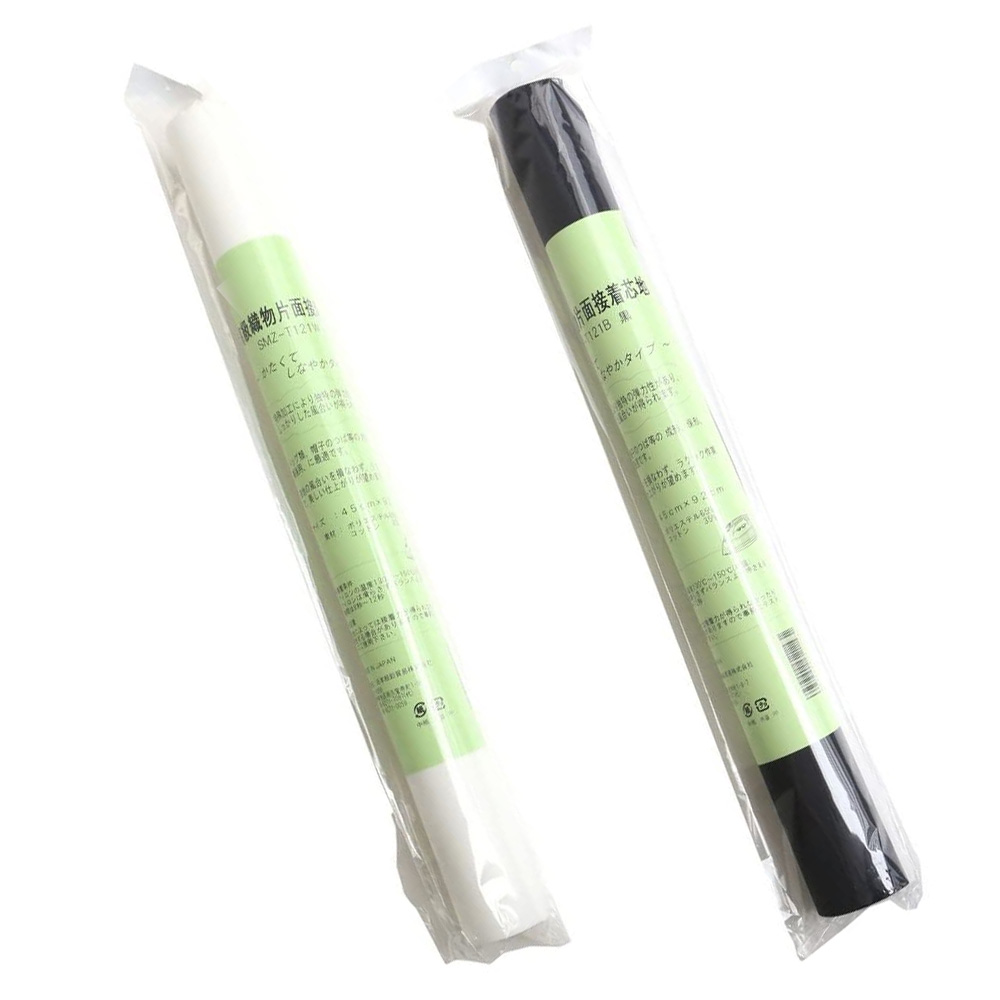
There Are Even More Types of Fusible Interfacing. Introducing different types by their features and uses!
X100F New Stretch Fusible Interfacing
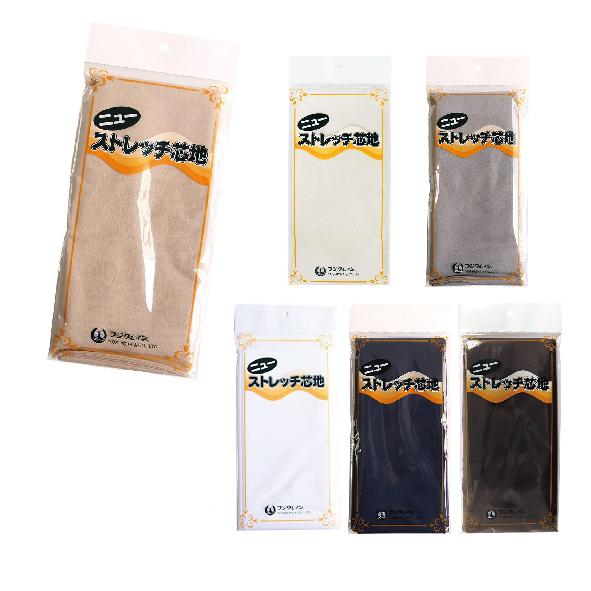
- Material: 100% Polyester
Ideal for stretch fabrics such as jersey and crepe.
Can be used for blouses, dresses, and even crafts — perfect for shaping and reinforcing as an interlining or backing.
X200F New Stretch Fusible Interfacing (Medium Weight)
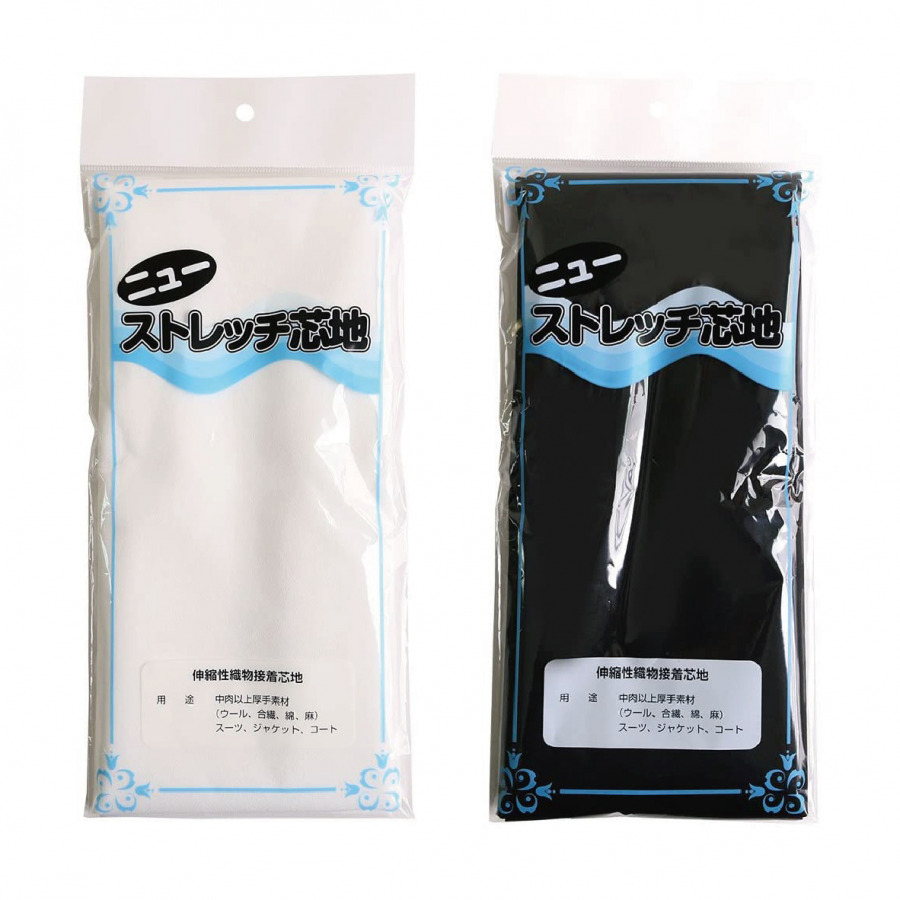
- Material: 100% Polyester
A medium-weight fusible interfacing suitable for stretch materials like jersey and crepe.
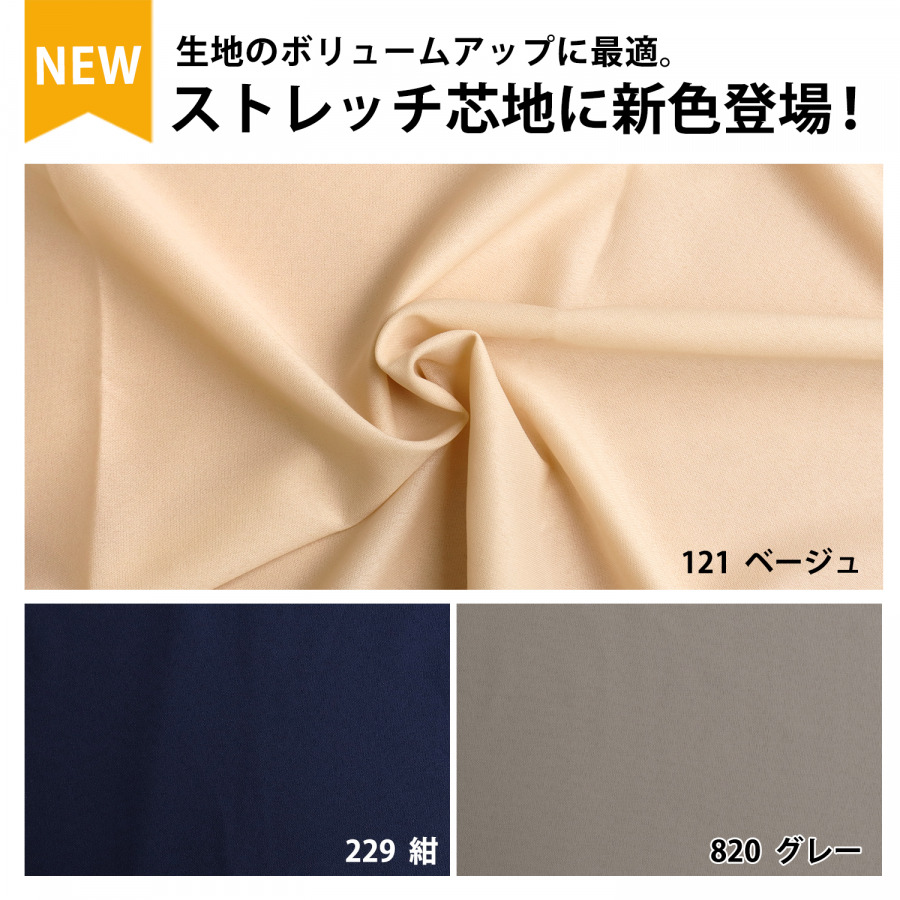
Available not only in white and black, but also in beige, navy, and gray.
Chuko Onlineオンラインストアでご注文
Chuko Online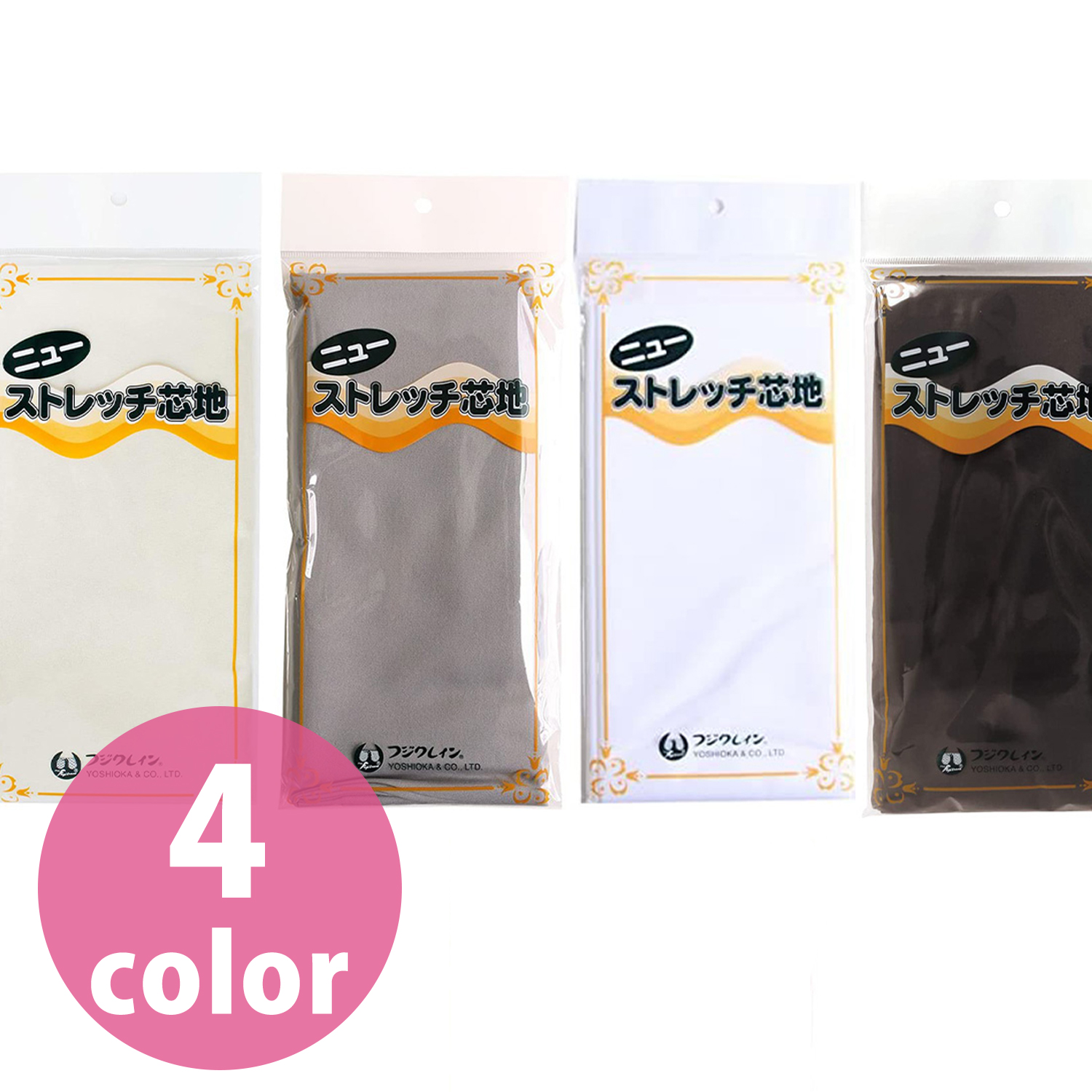

Hard Fusible Interfacing
P300F Hard Fusible Interfacing Craft Type
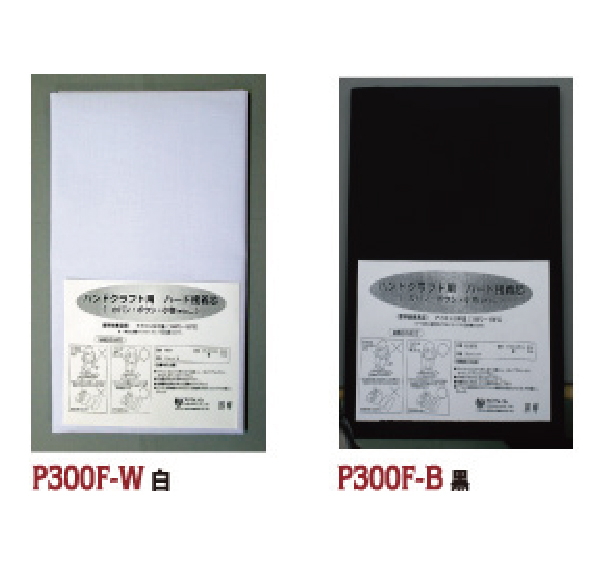
- Material: 65% Polyester, 35% Cotton
Recommended for shaping projects such as bags, small items, and hats.
SMZ-T121 Premium Woven Heavy Interfacing
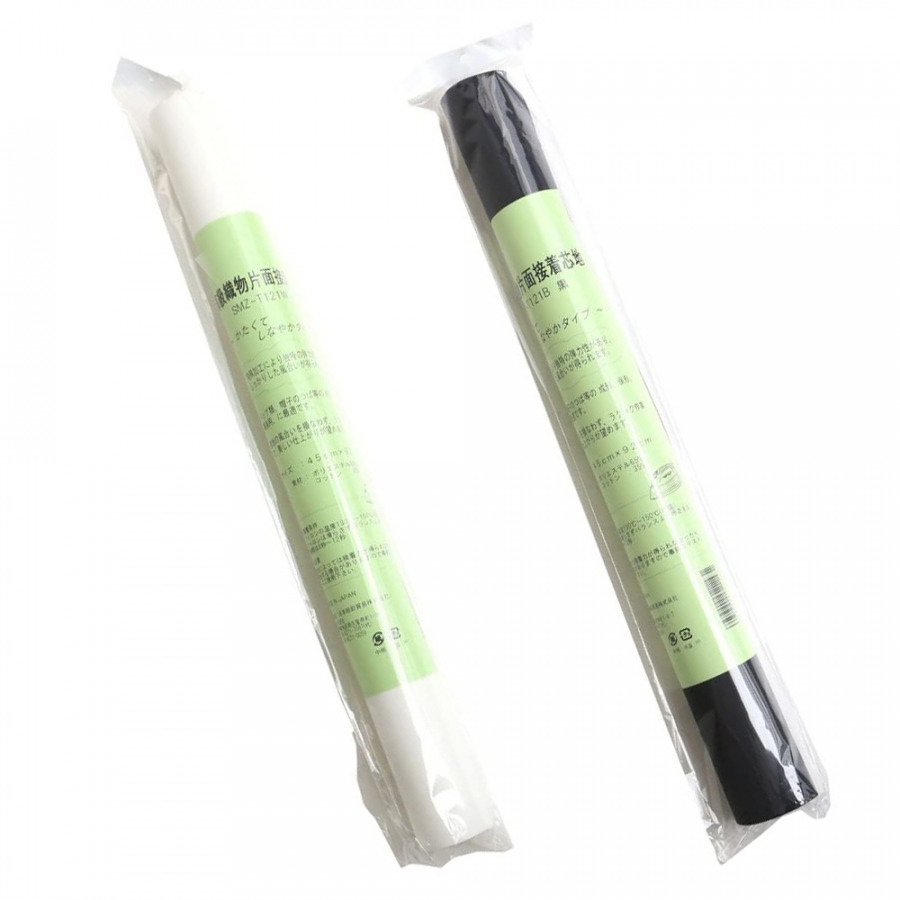
- Material: 65% Polyester, 35% Cotton
Specially processed for unique resilience and a firm texture.
Ideal for shaping, reinforcing, and maintaining the form of bags, hat brims, and other structured items.
Provides a beautiful finish without compromising the texture of the main fabric — and is easy to work with!
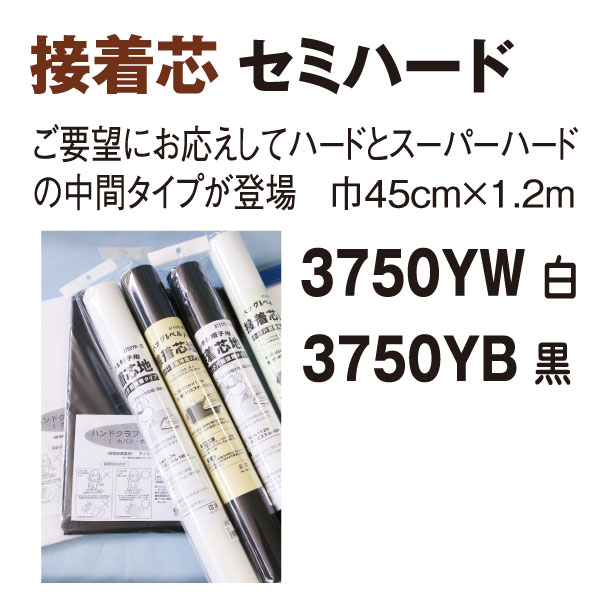
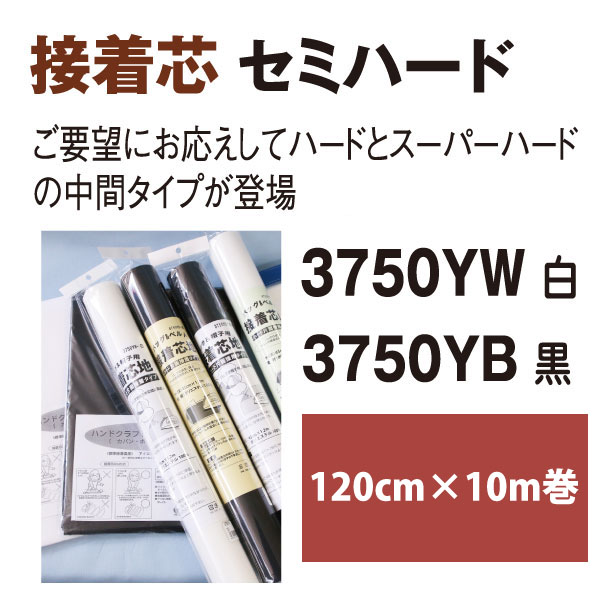
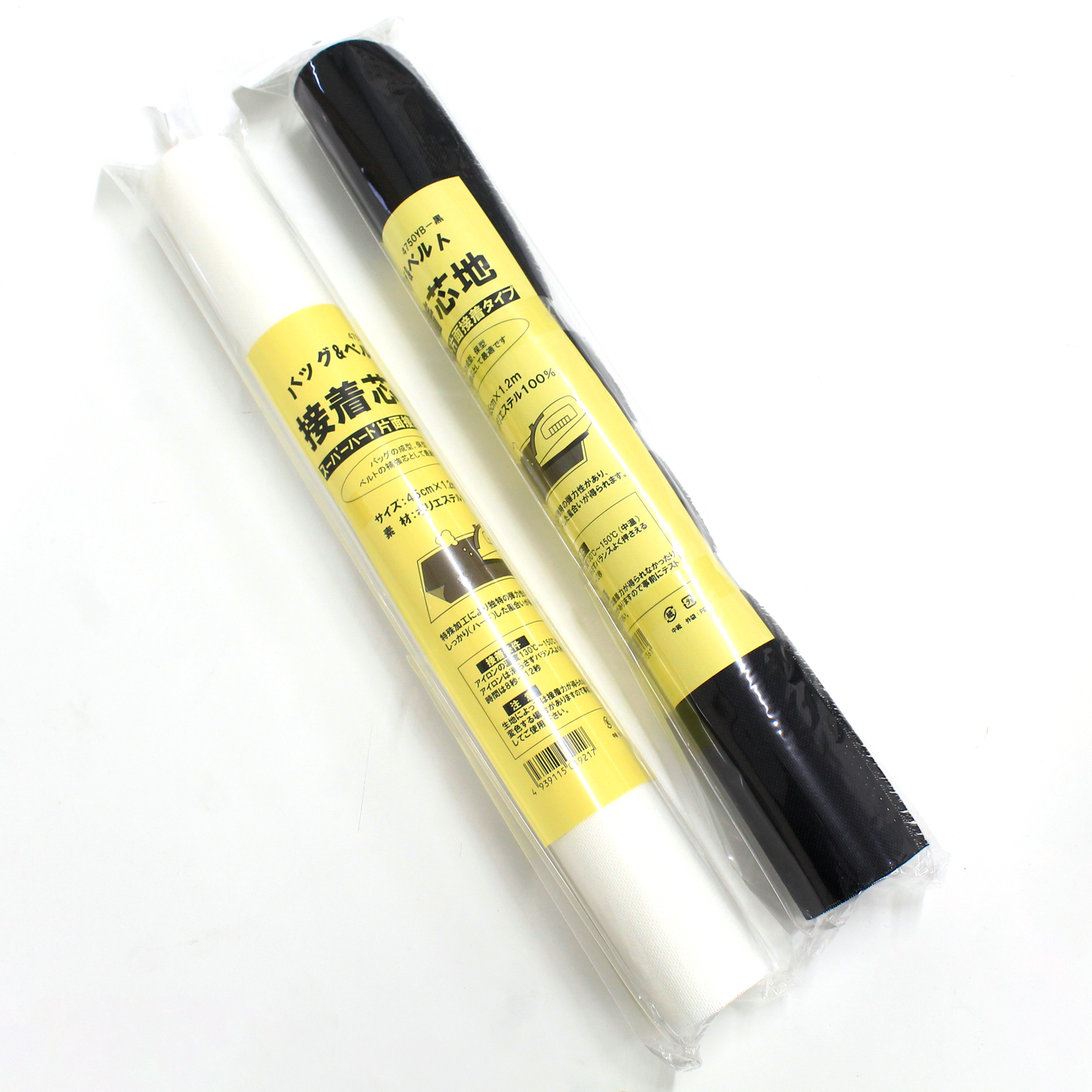
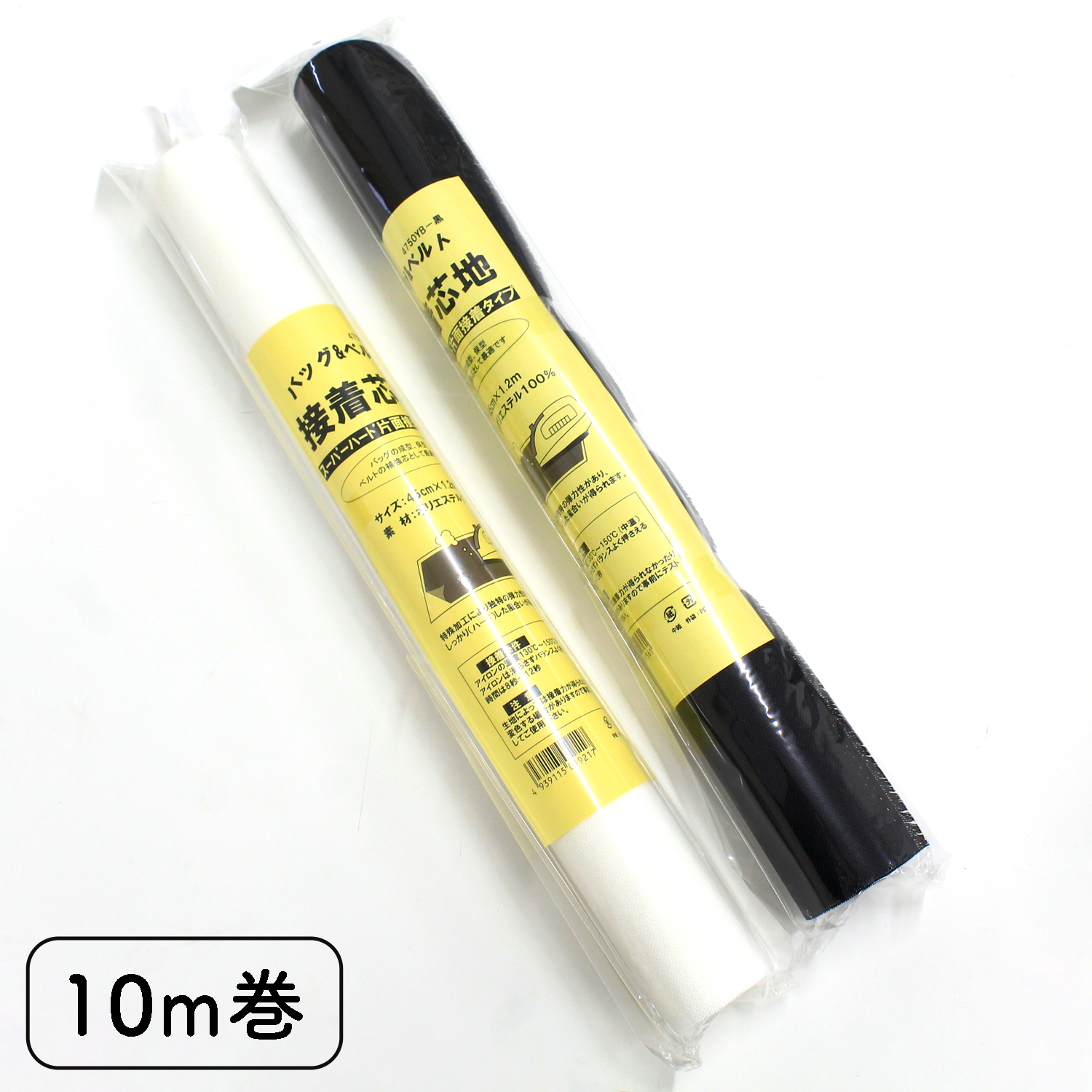
3750Y Fusible Interfacing – Semi-Hard Type
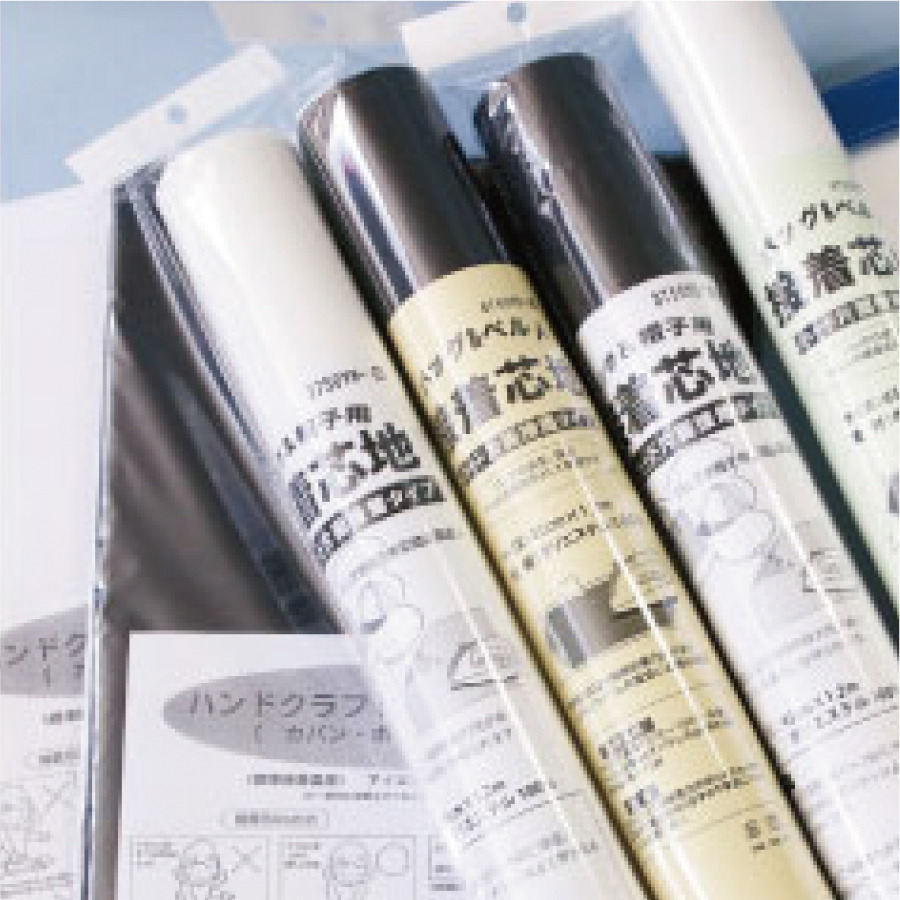
- Material: 100% Polyester
A semi-hard, single-sided fusible interfacing designed for bags and hats.
4750Y Fusible Interfacing – Super Hard Type
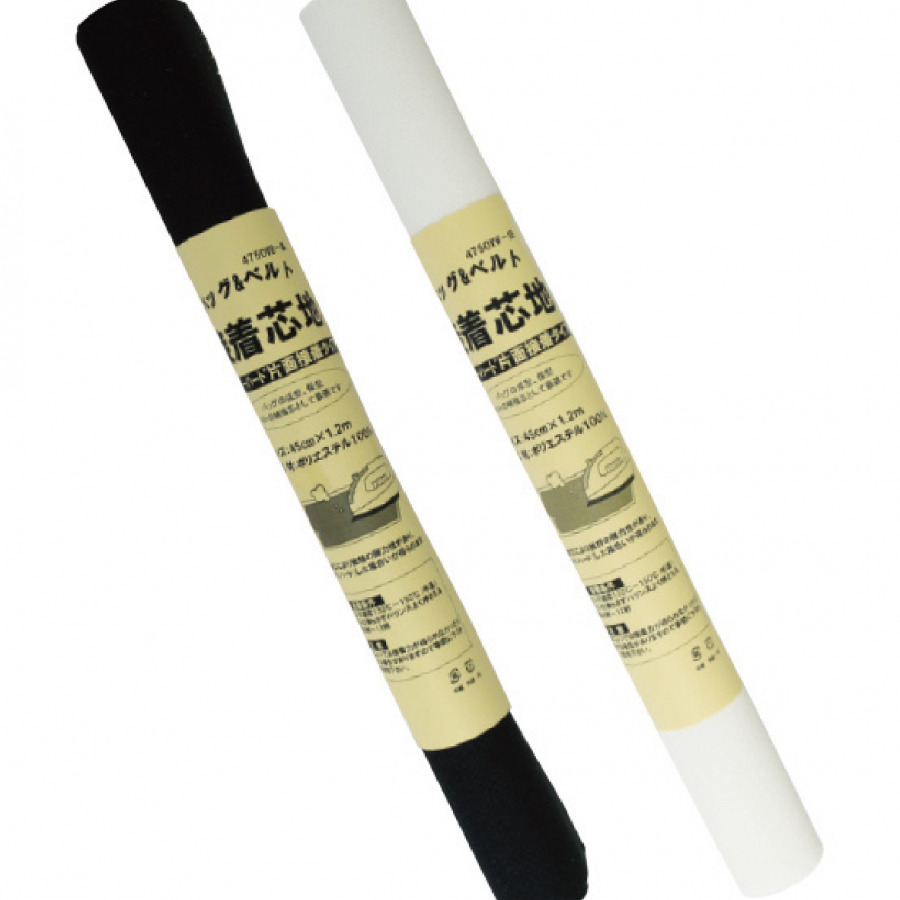
- Material: 100% Polyester
A super-hard, single-sided fusible interfacing ideal for bags and belts.
Chuko Onlineオンラインストアでご注文
Chuko Online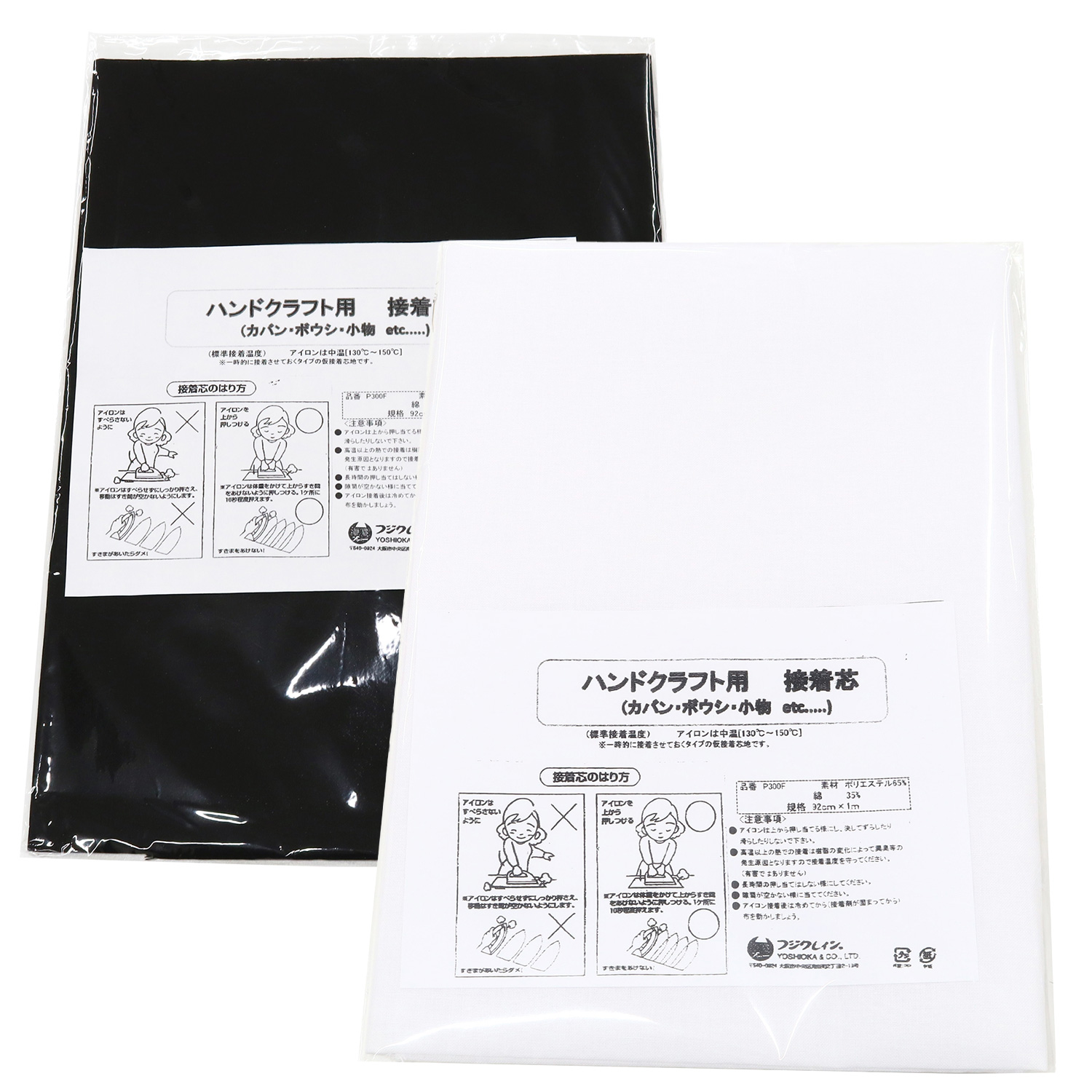
100% Cotton Fusible Interfacing
N-13W 100% Cotton Fusible Interfacing (Lightweight Soft Type)
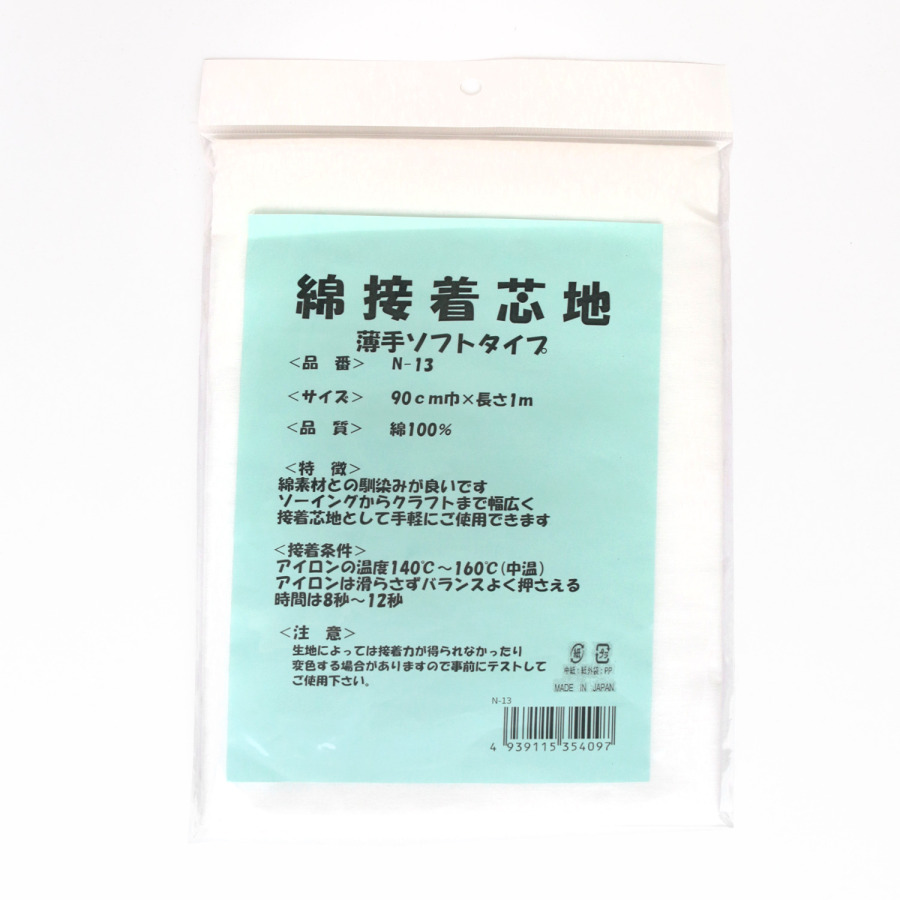
- Material: 100% Cotton
Features:
Blends well with cotton fabrics.
Easy to use for a wide range of applications, from sewing to craft projects.
Fusing Conditions:
Iron temperature: 140–160°C (medium heat)
Pressing time: 8–12 seconds
Apply balanced pressure without sliding the iron.
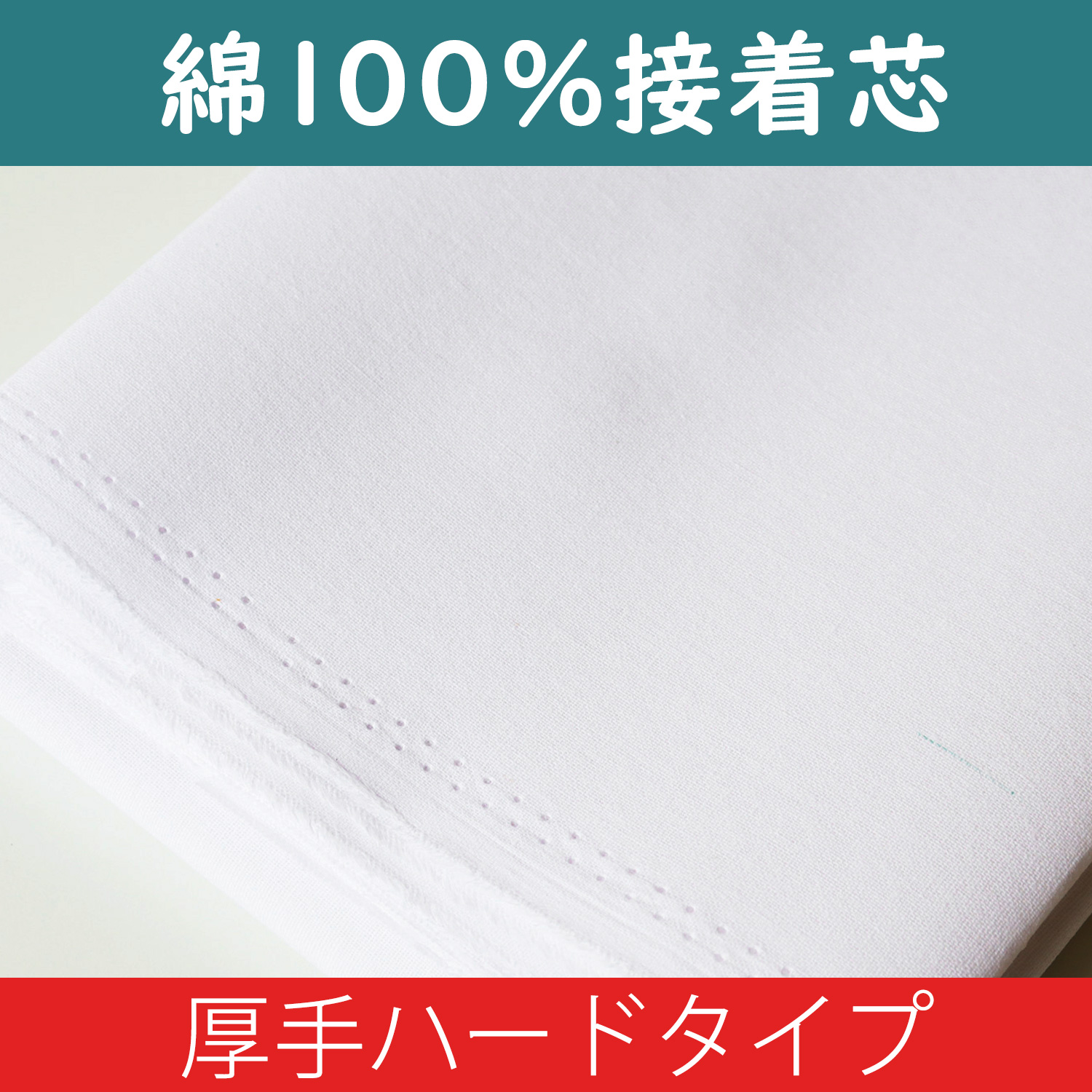
N-14W 100% Cotton Fusible Interfacing (Heavyweight Hard Type)
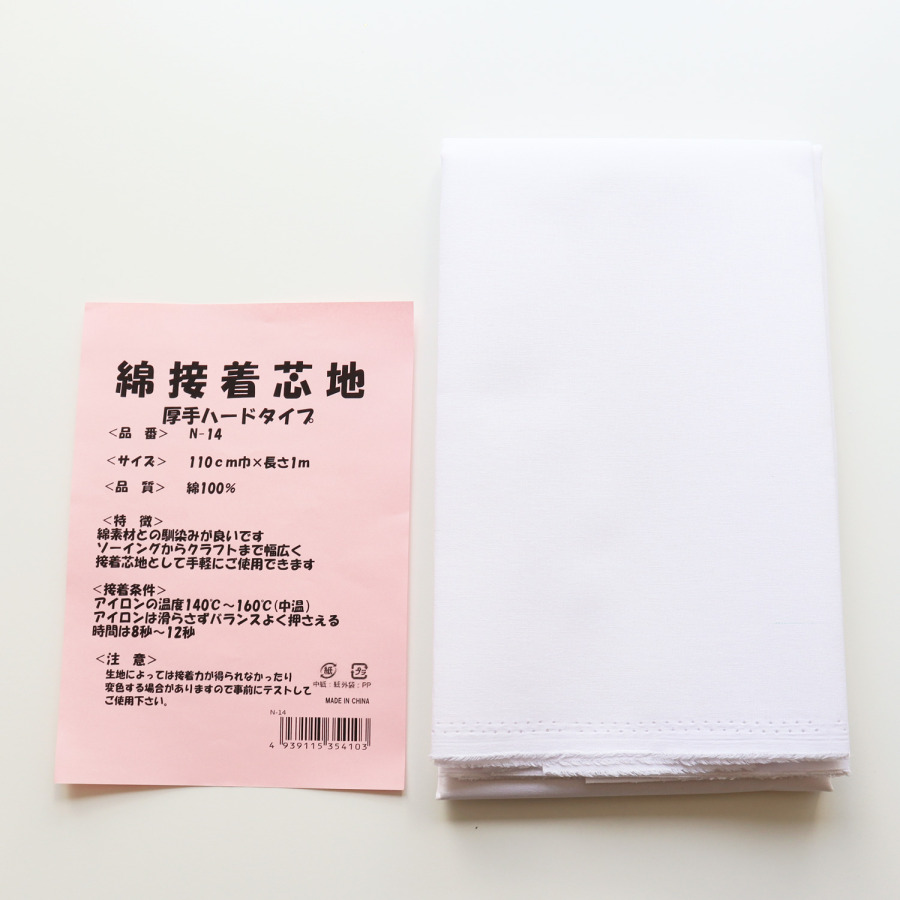
- Material: 100% Cotton
Blends well with cotton fabrics.
Versatile and easy to use as an interfacing for both sewing and craft projects.
Chuko Onlineオンラインストアでご注文
Chuko Online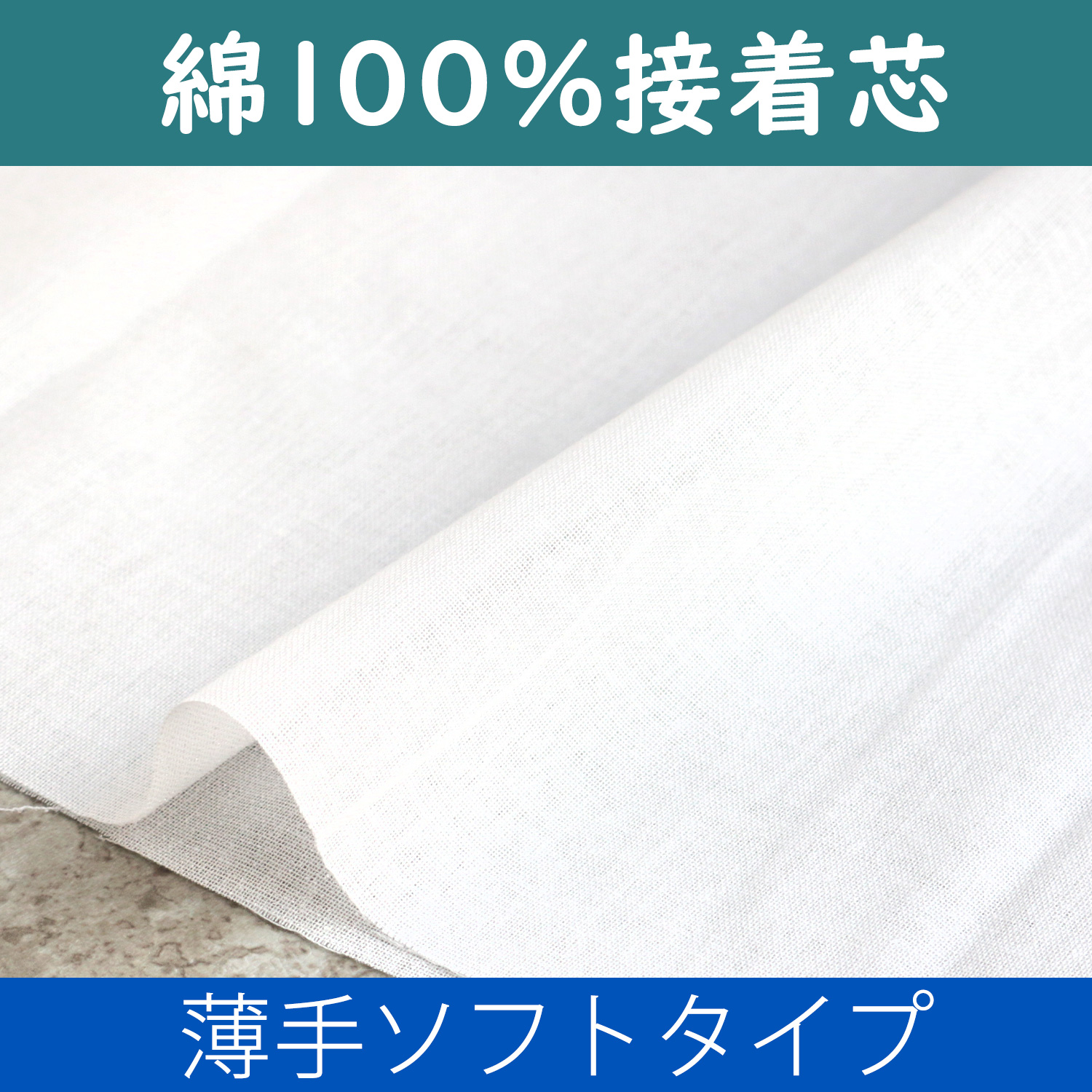
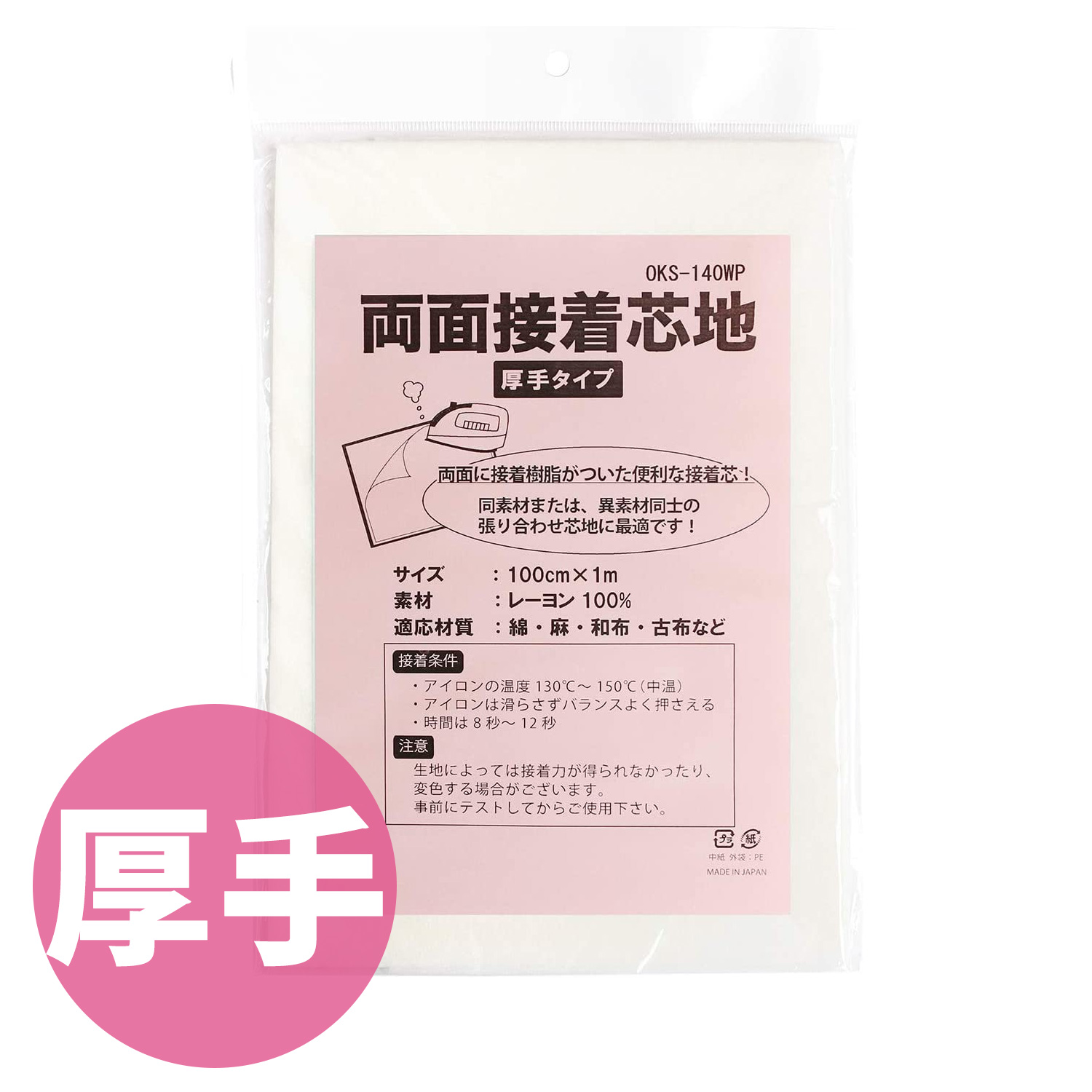
Double-Sided Fusible Interfacing
A convenient fusible interfacing coated with adhesive resin on both sides.
Ideal for bonding fabrics of the same or different materials, such as cotton, linen, traditional Japanese fabrics, and vintage cloth.
OKS120WP Double-Sided Fusible Interfacing (Lightweight Type)
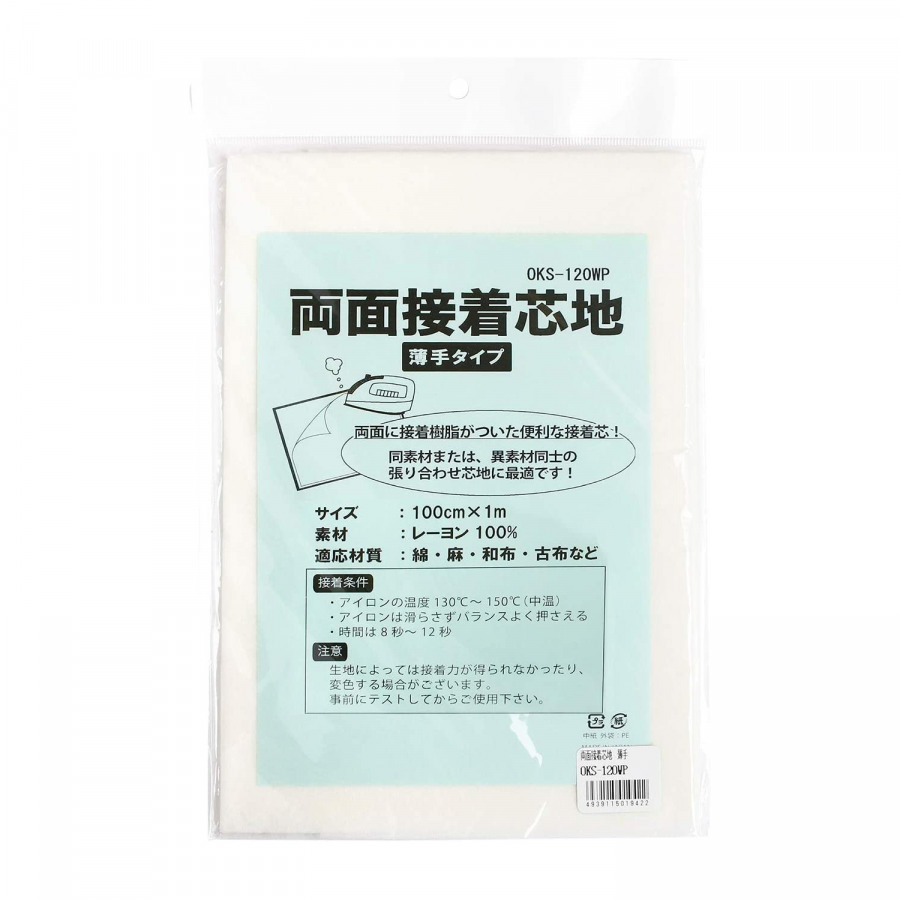
- Material: 100% Rayon
A thin, easy-to-handle double-sided fusible interfacing.
OKS140W Double-Sided Fusible Interfacing (Heavyweight Type)
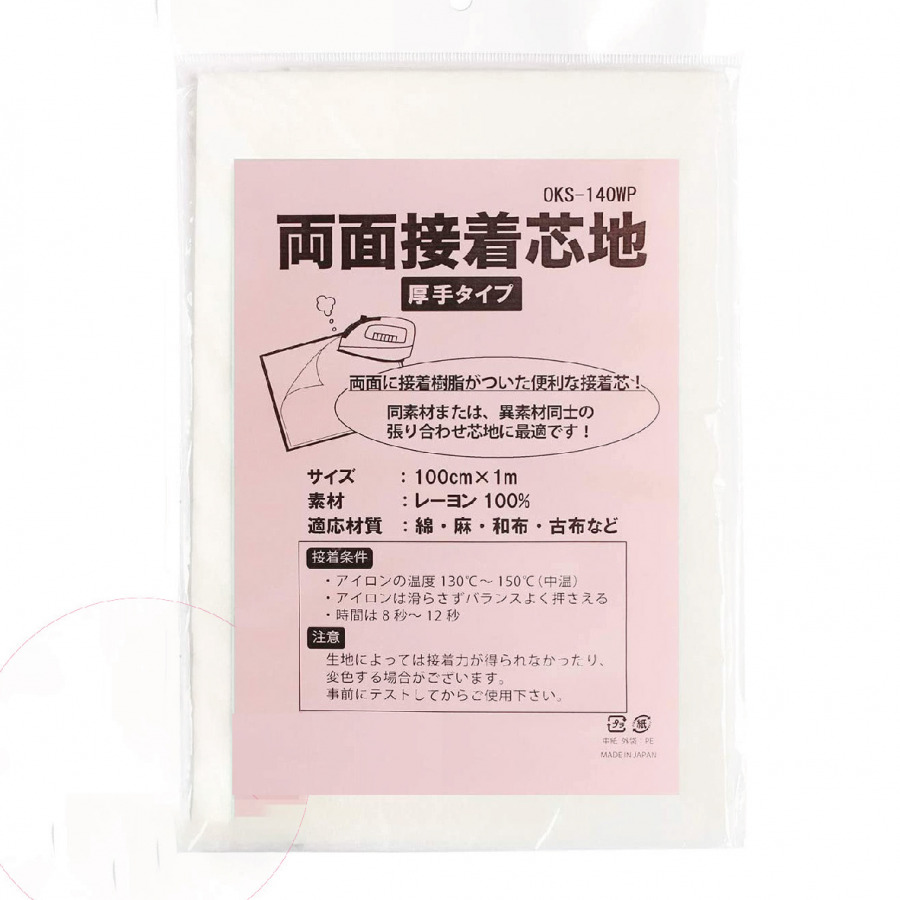
- Material: 100% Rayon
A thicker version suitable for projects that require extra firmness.
Chuko Onlineオンラインストアでご注文
Chuko Online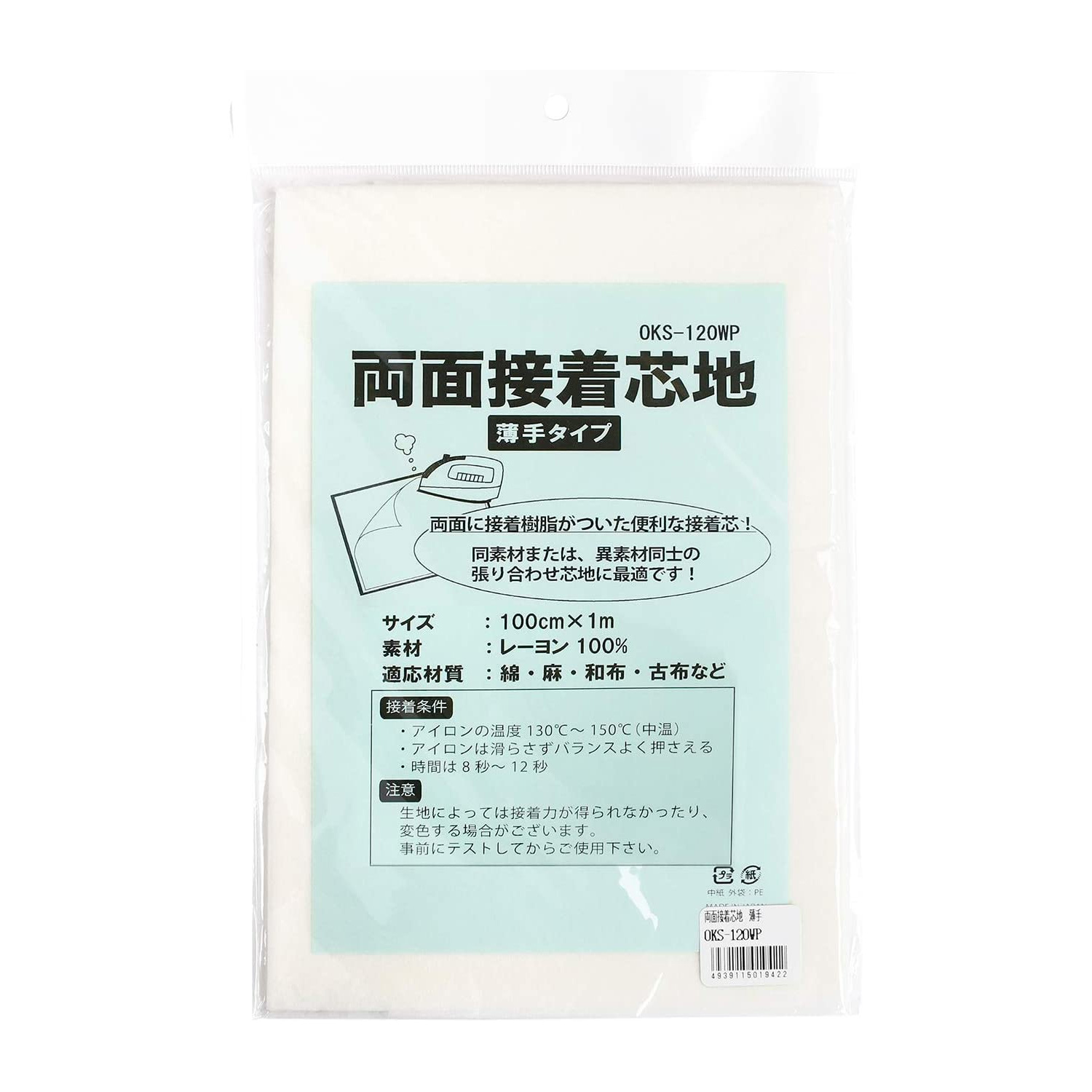
UV-Cut Type
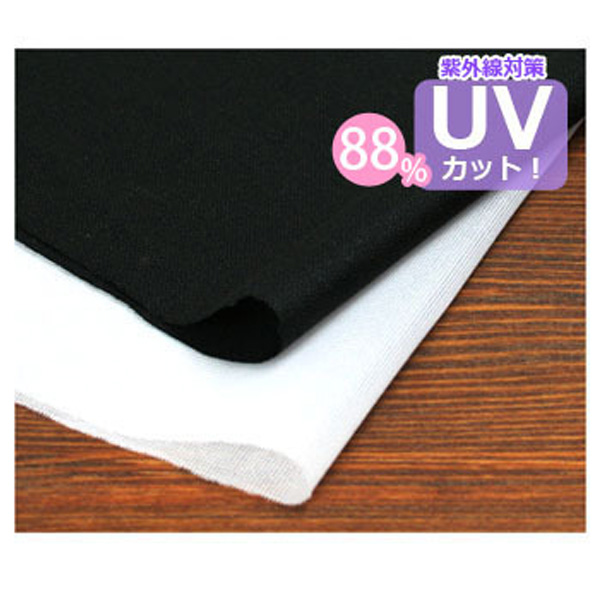
PUV1910 UV-Cut Fusible Interfacing
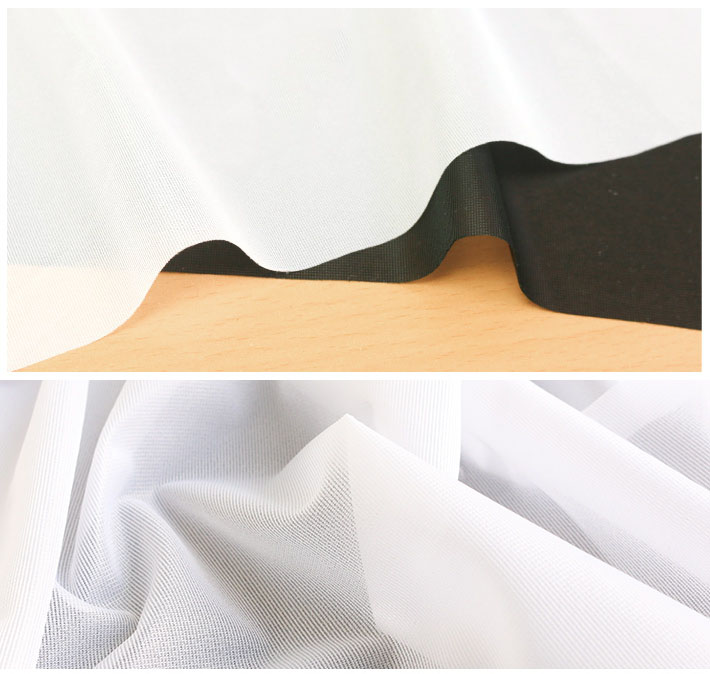
- Material: 100% Polyester
This fusible interfacing blocks approximately 88% of ultraviolet rays.
Simply fuse with an iron—perfect for hats, parasols, arm covers, and stoles.
※Not suitable for nylon fabrics.
Chuko Onlineオンラインストアでご注文
Chuko Online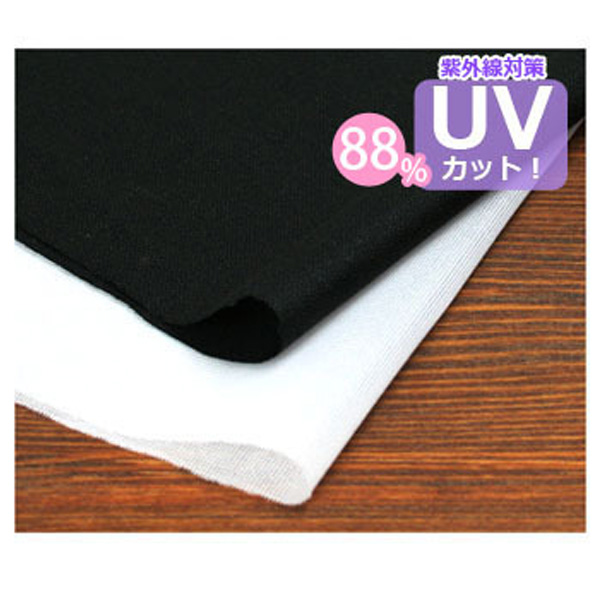
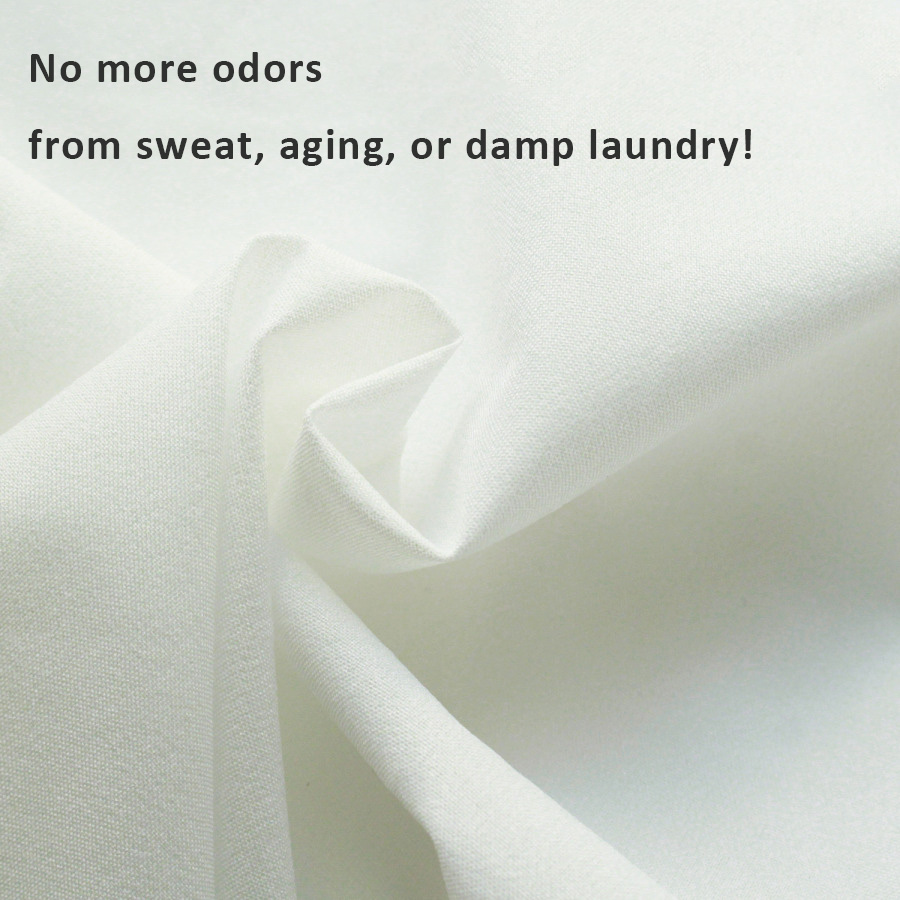
Effectively Eliminates Unpleasant Odors!
SMZ-574W Deodorizing Interfacing
- Material: 100% Polyester
Say goodbye to unwanted smells from sweat, aging, or damp laundry!
This interfacing is ideal for pillows, sportswear, shirt collars, and more.
Its deodorizing dots absorb a wide range of odors and prevent them from being released again.
The deodorizing effect remains strong even after 100 washes, and it also helps prevent musty smells from indoor drying.
Made with DANFRESH, an exclusive technology that applies a specially formulated deodorizing agent in a dot pattern to various types of fabric for long-lasting freshness.
Chuko Onlineオンラインストアでご注文
Chuko Online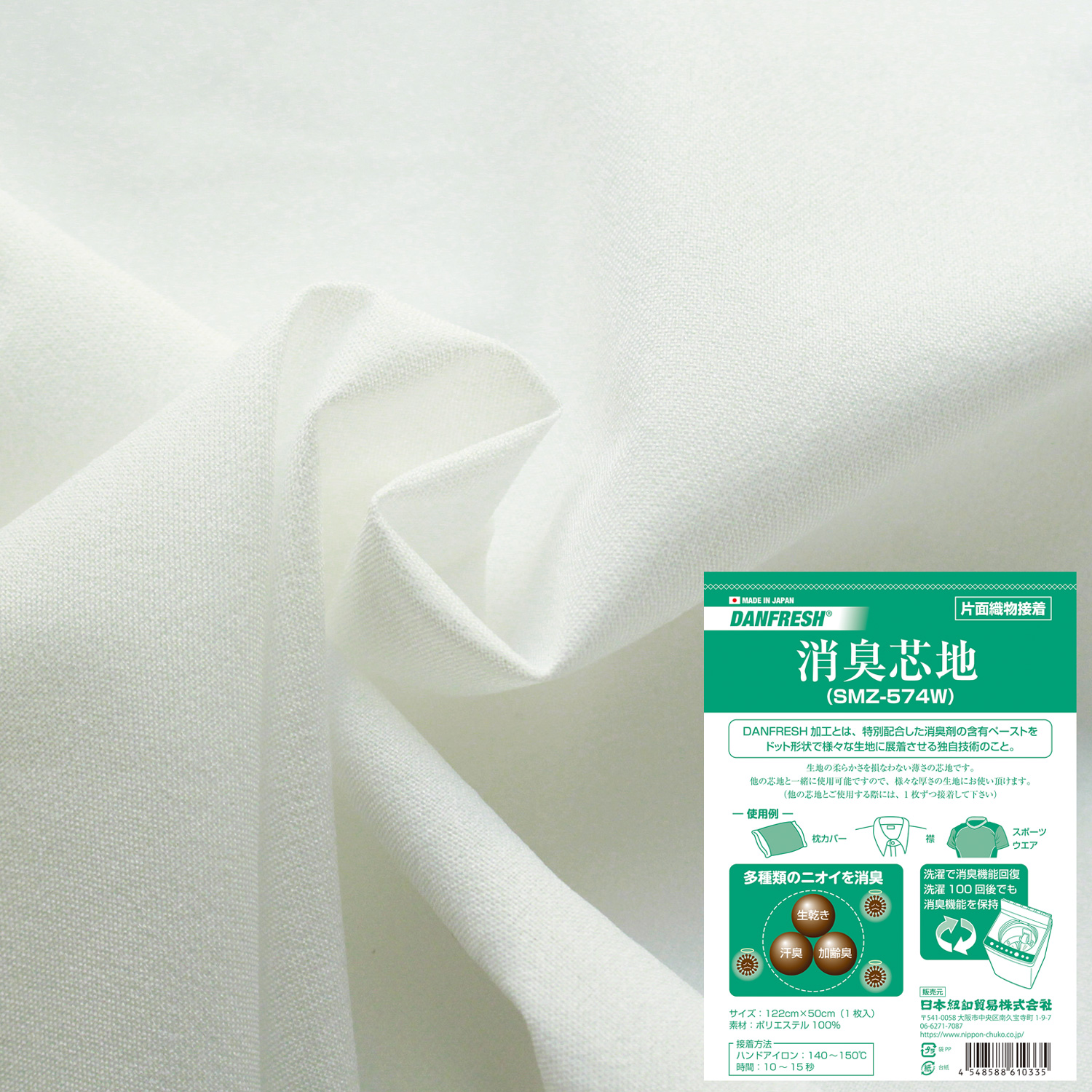
Water-Soluble Fusible Interfacing
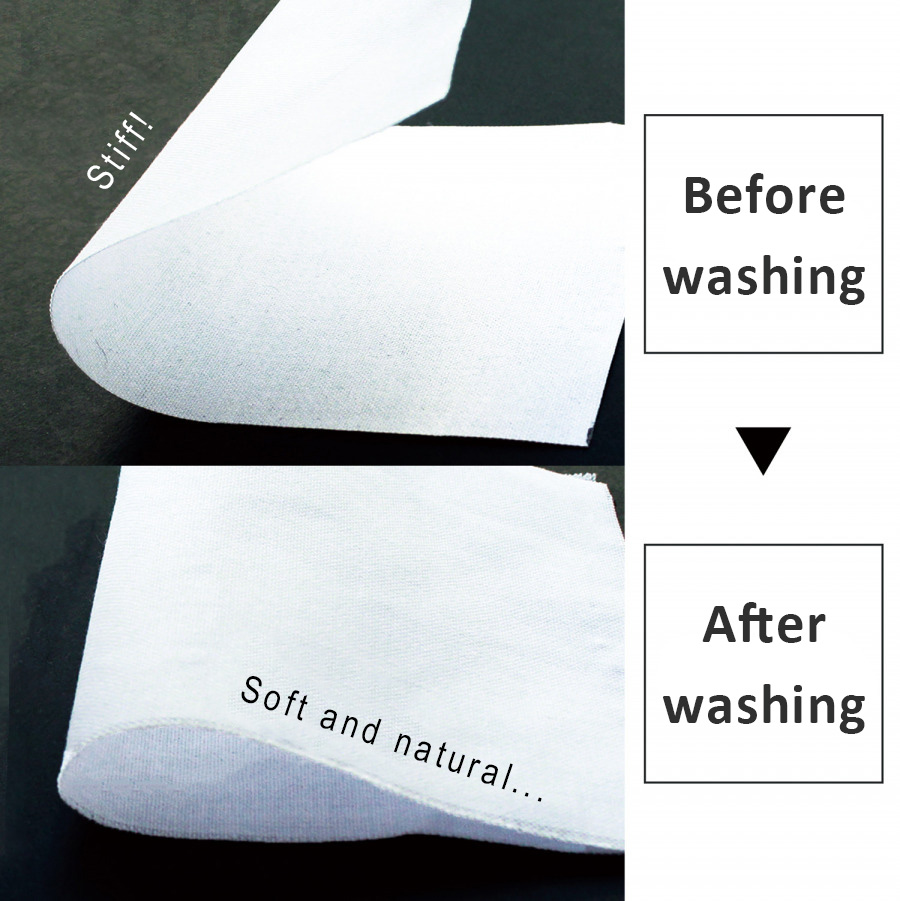
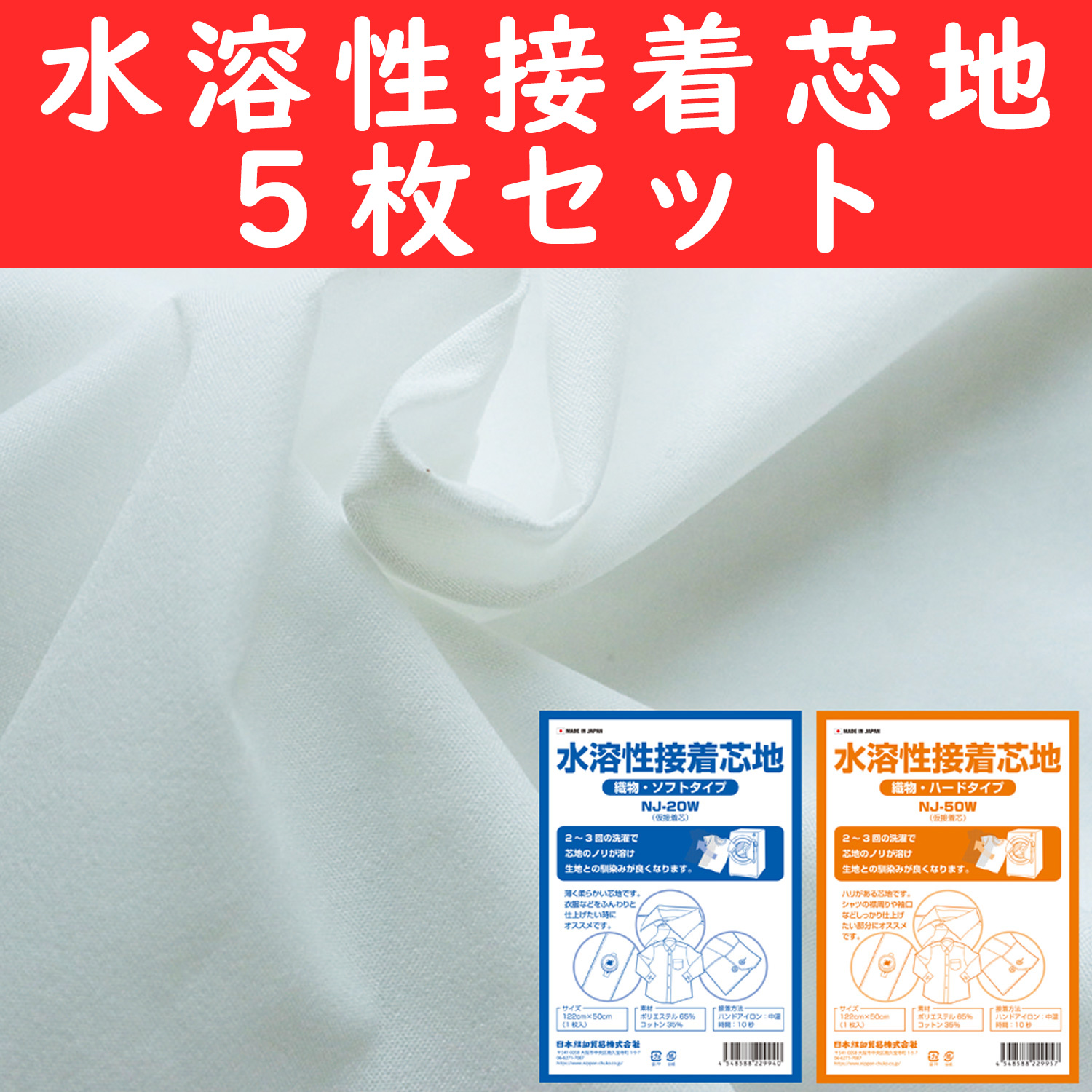
NJ Series (Lightweight / Heavyweight)
- Material: 65% Polyester, 35% Cotton
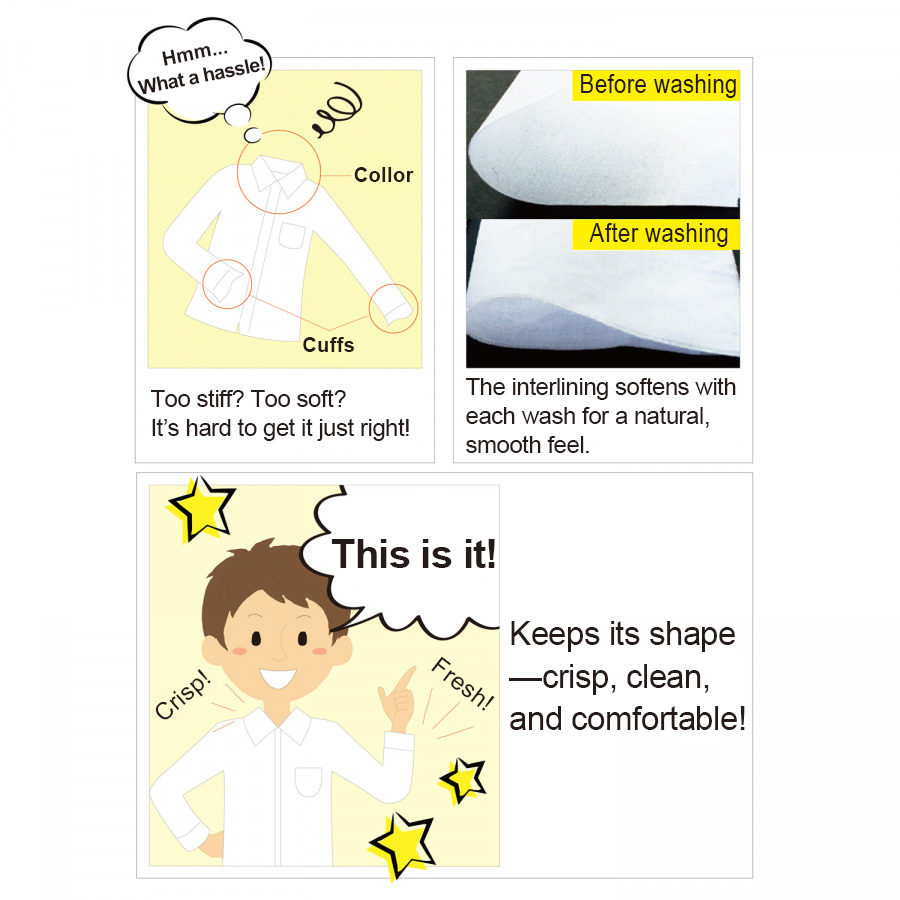
Perfect for areas like collars or cuffs where you don’t want the fabric to feel too stiff or too soft.
When washed, the adhesive on the interfacing dissolves, leaving a natural, soft finish while maintaining just the right firmness to prevent distortion.
Chuko Onlineオンラインストアでご注文
Chuko Online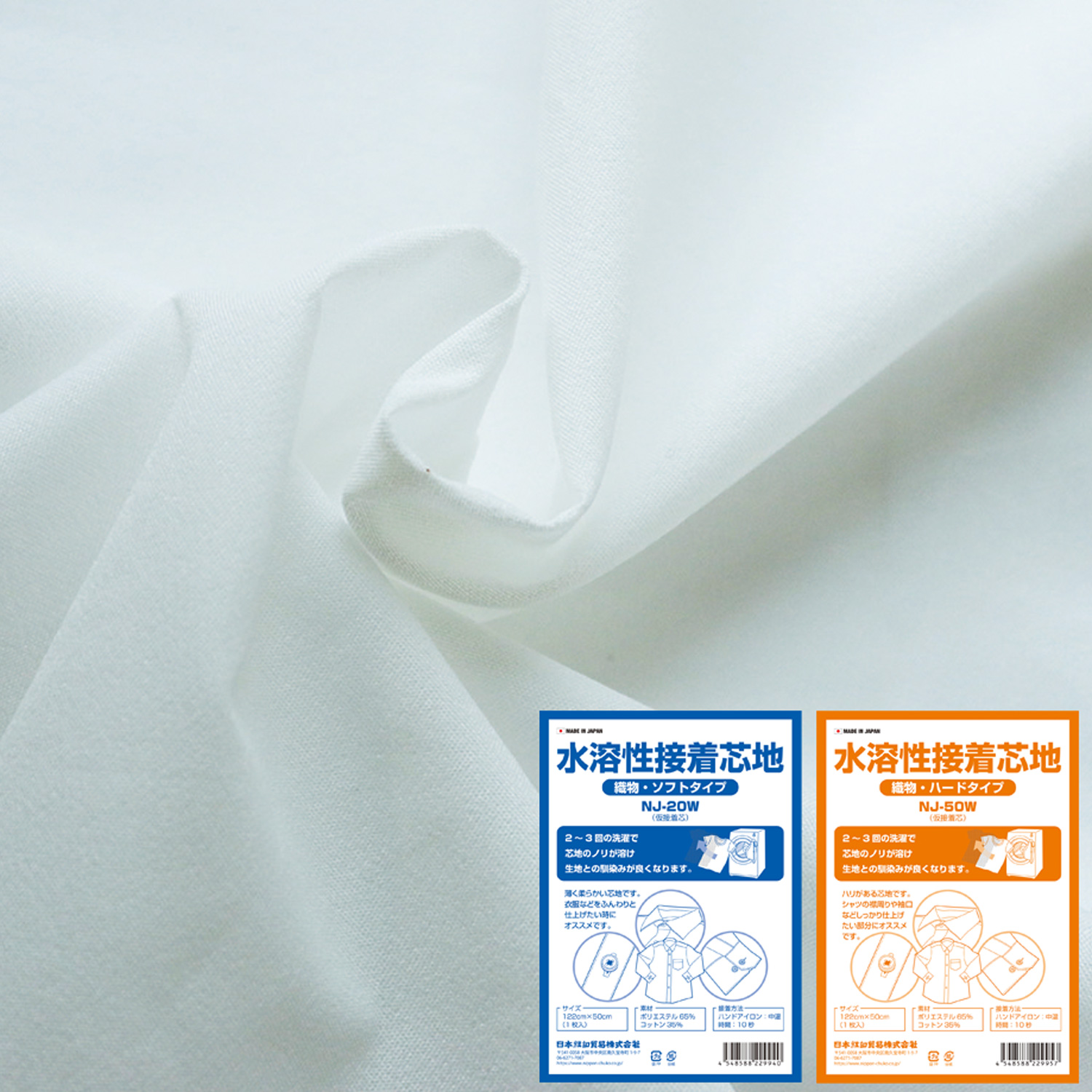
Fusible Interfacing for Curtain Tassels
SC-90501 Interfacing specially designed for curtain tassels.
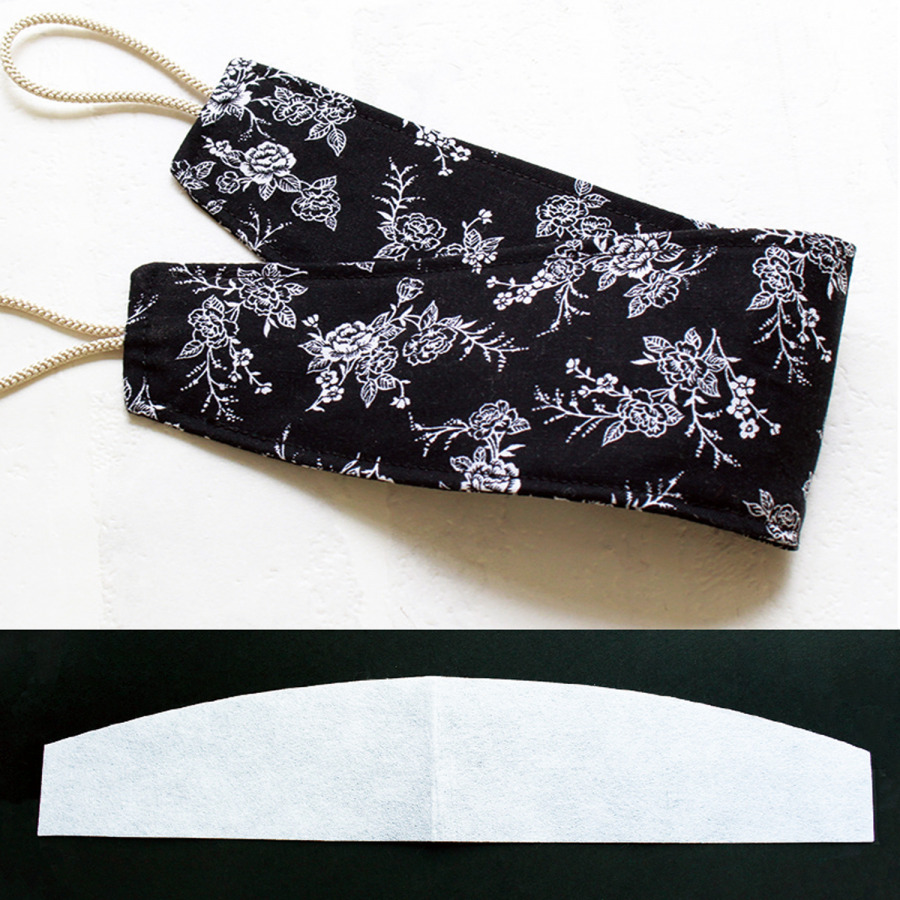
- Material: 60% Polyester, 40% Rayon
Chuko Onlineオンラインストアでご注文
Chuko Online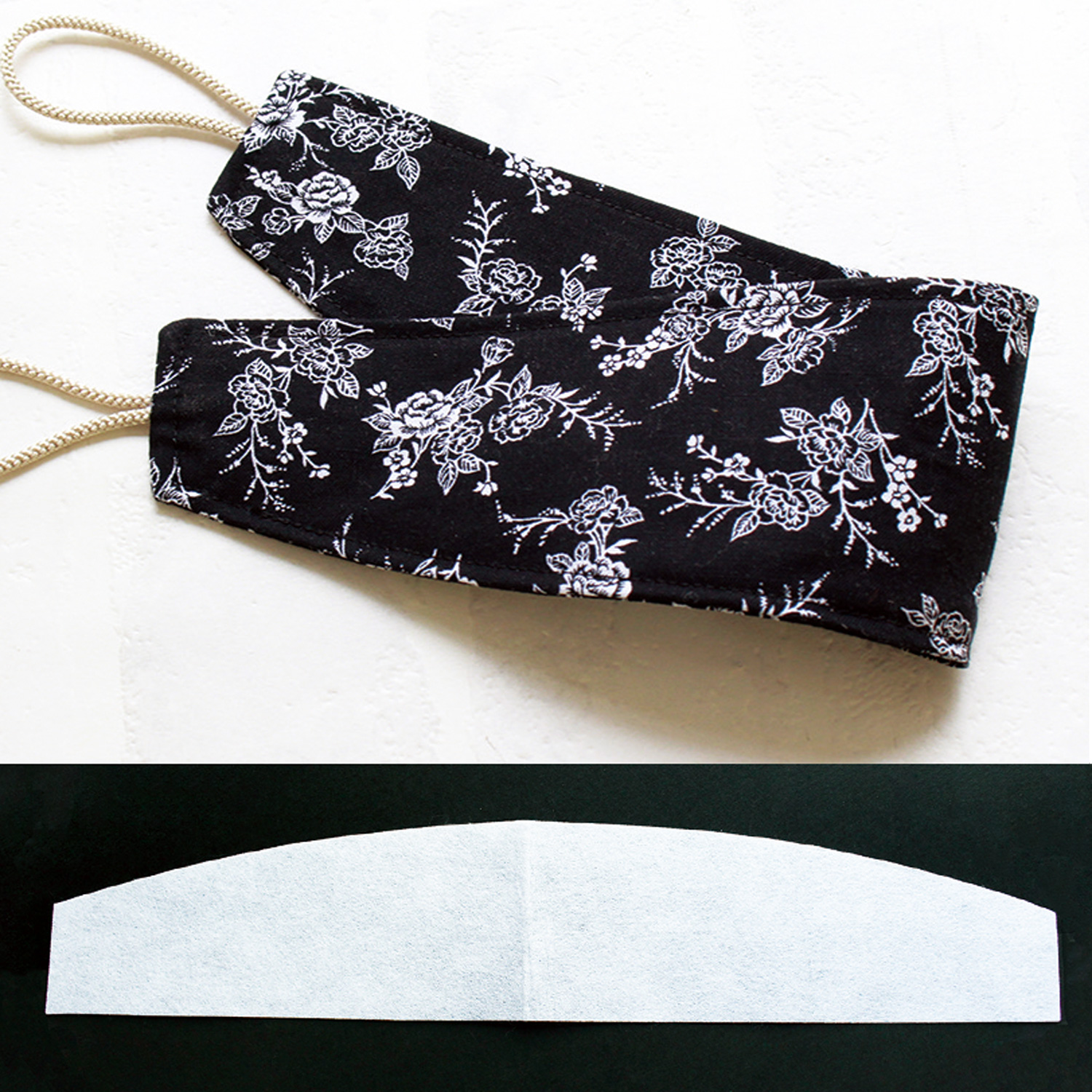
Essential for Making Neckties!
F2-201 Necktie Interfacing
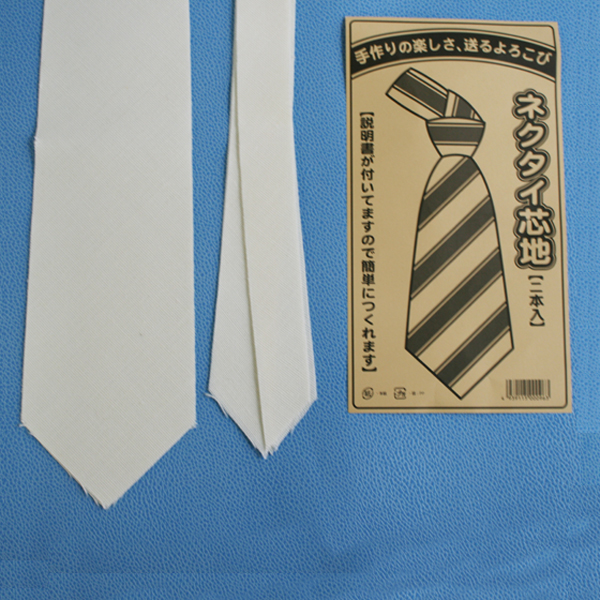
- Material: 100% Polyester
Comes with instructions, making it easy to create your own neckties.
Chuko Onlineオンラインストアでご注文
Chuko Online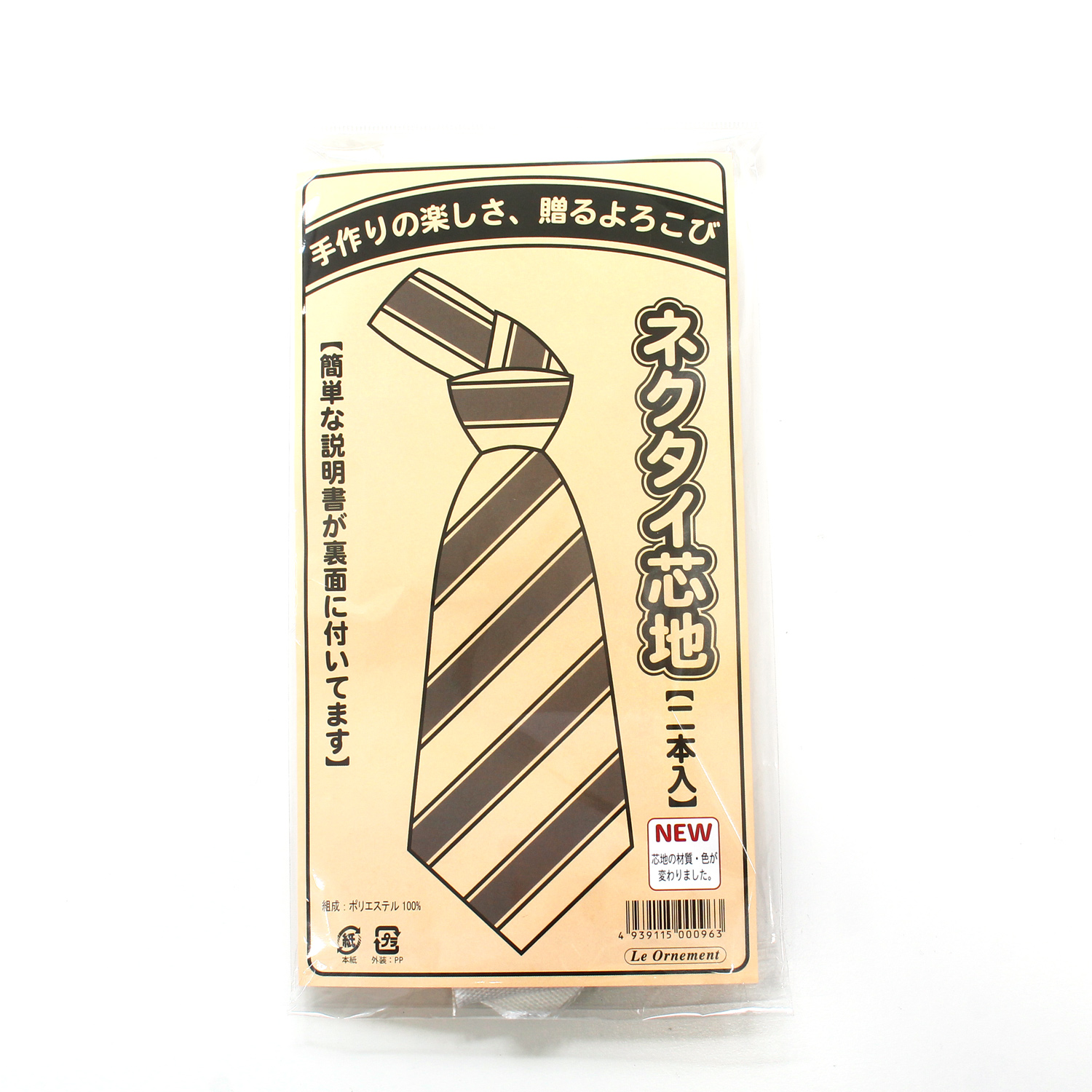
Sticker-Type Fusible Interfacing
NS-1P Non-Iron Sheet
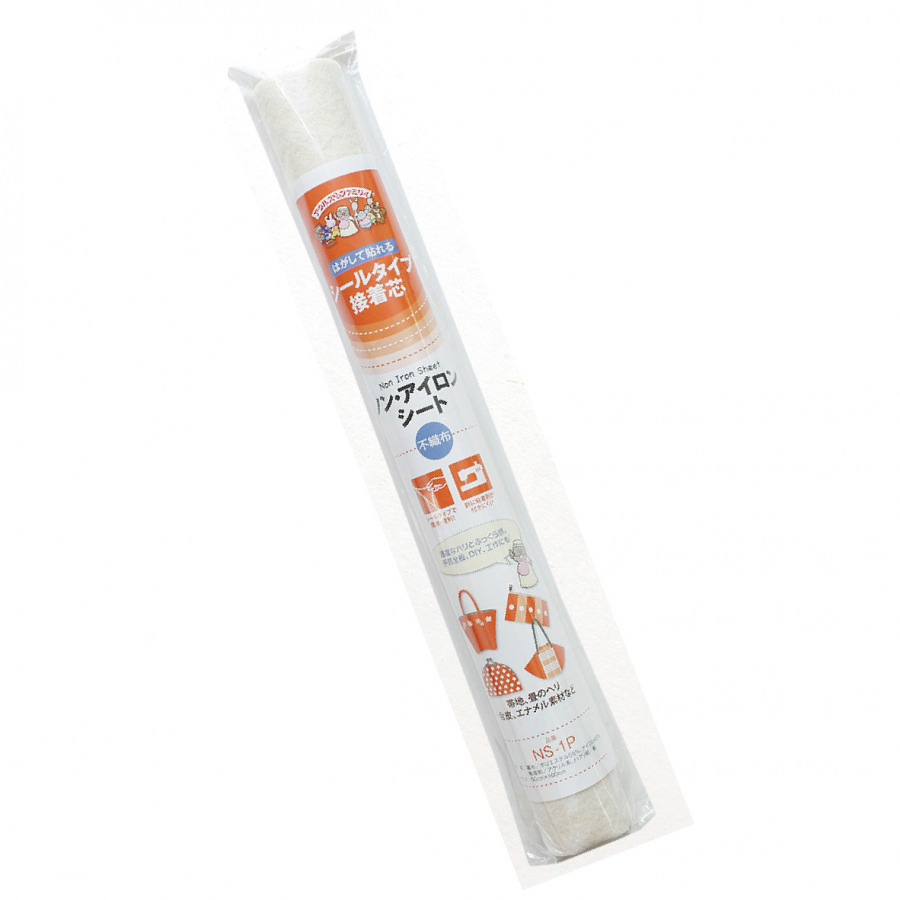
- Material: 55% Polyester, 45% Nylon
A sticker-type interfacing that adheres to fabric without using an iron.
It has a strong adhesive backing and is perfect for pouches and small items made from materials that cannot be ironed, such as faux leather, laminated fabrics, or brushed fabrics.
It also has slight stretch, making it suitable for knit fabrics as well.
Chuko Onlineオンラインストアでご注文
Chuko Online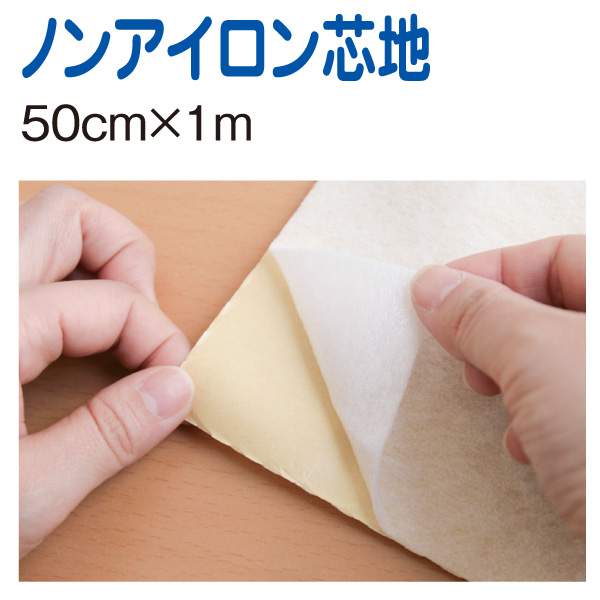
Recommended for Chirimen (Crepe) Fabric
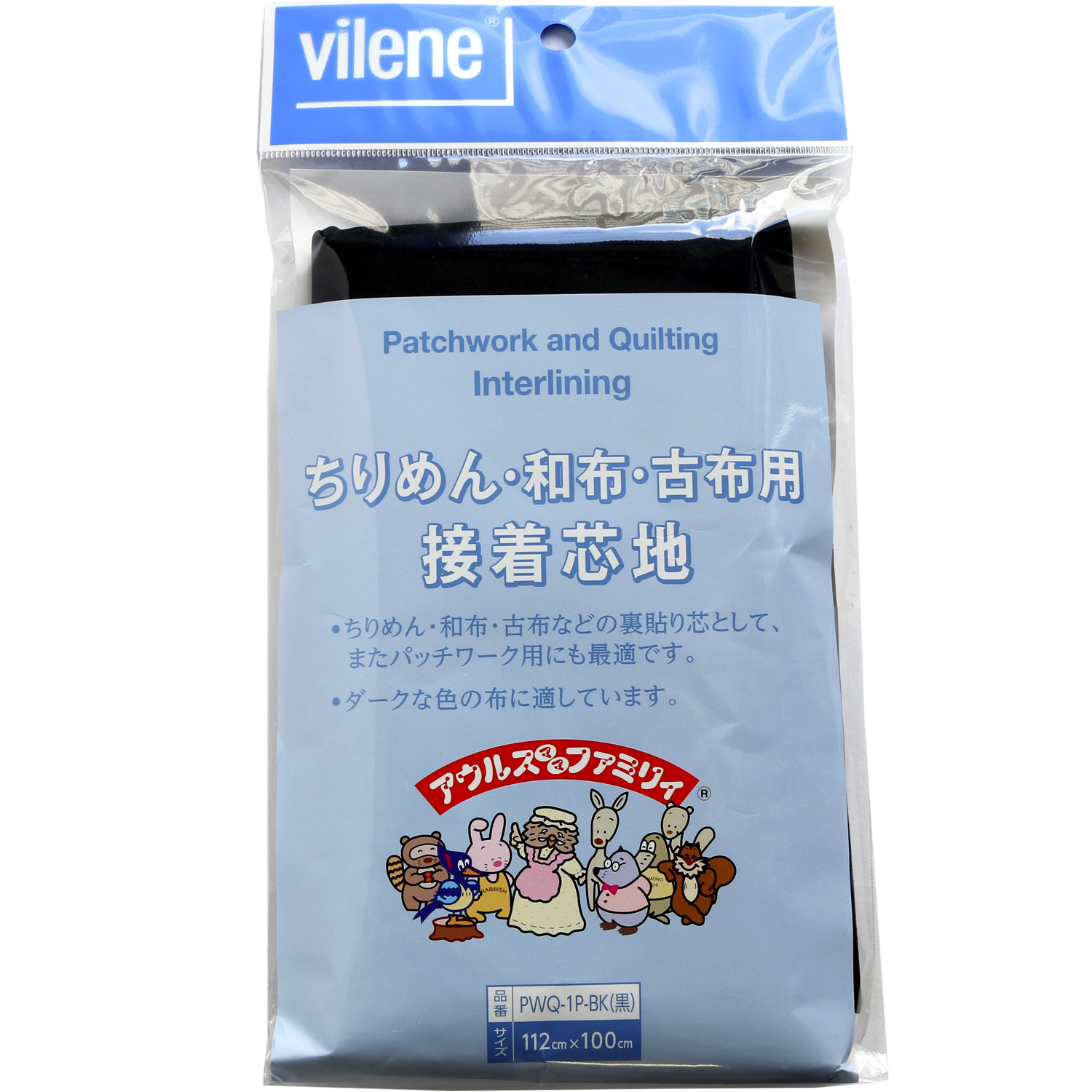
PWQ1P Chirimen Fusible Interfacing
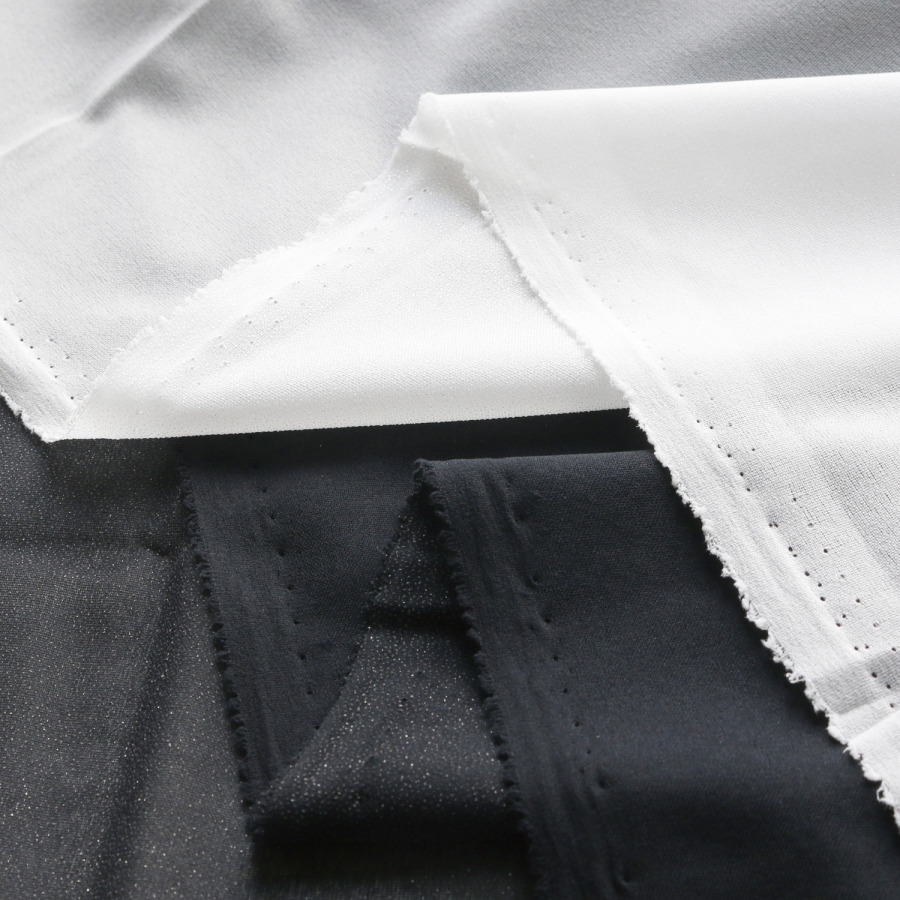
- Material: 100% Polyester
A soft woven interfacing with stretch and drape, perfect for chirimen fabric.
Available in white and black.
Chuko Onlineオンラインストアでご注文
Chuko Online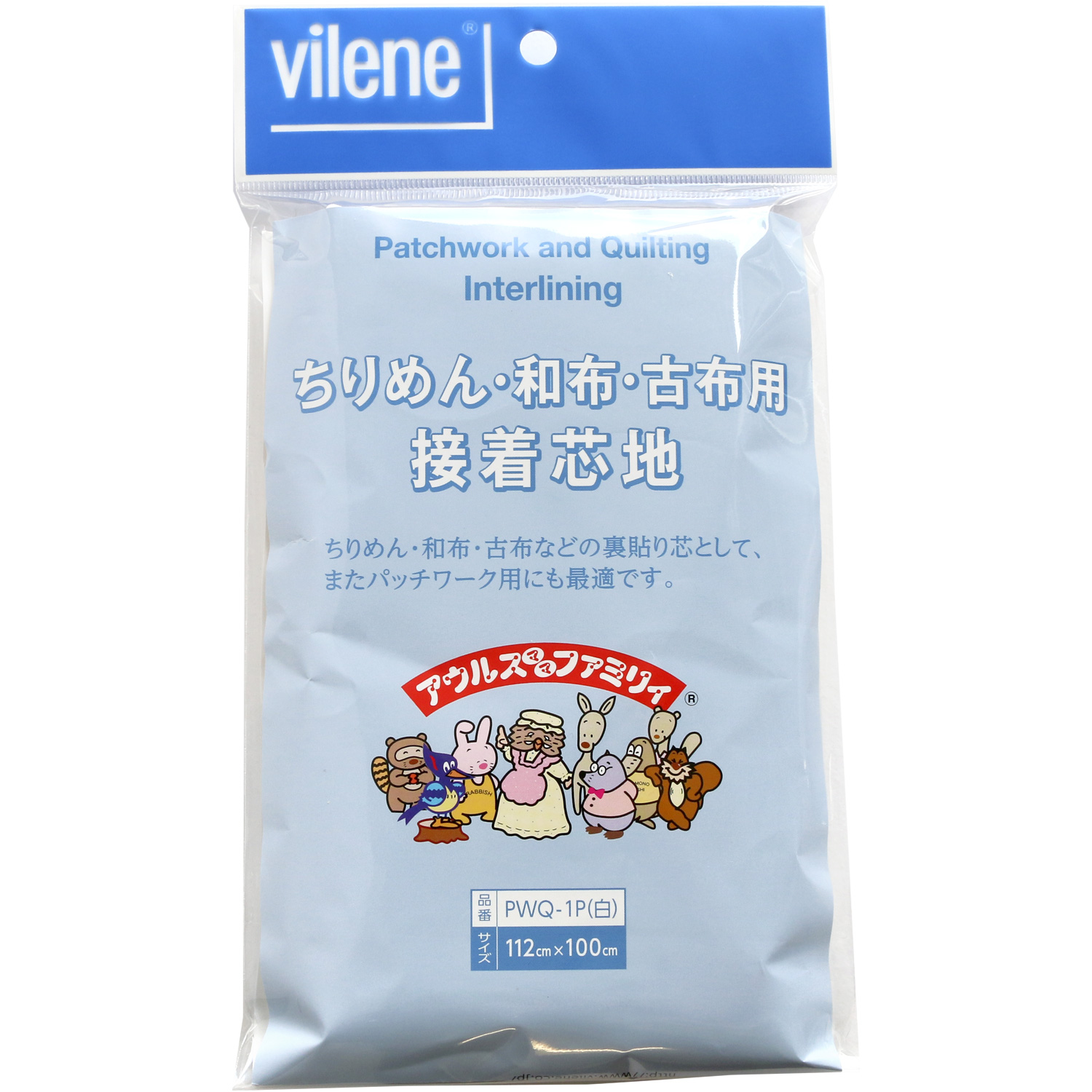
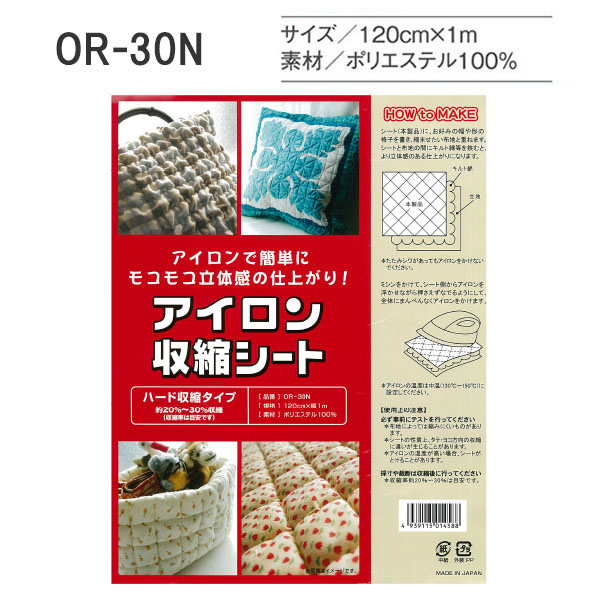
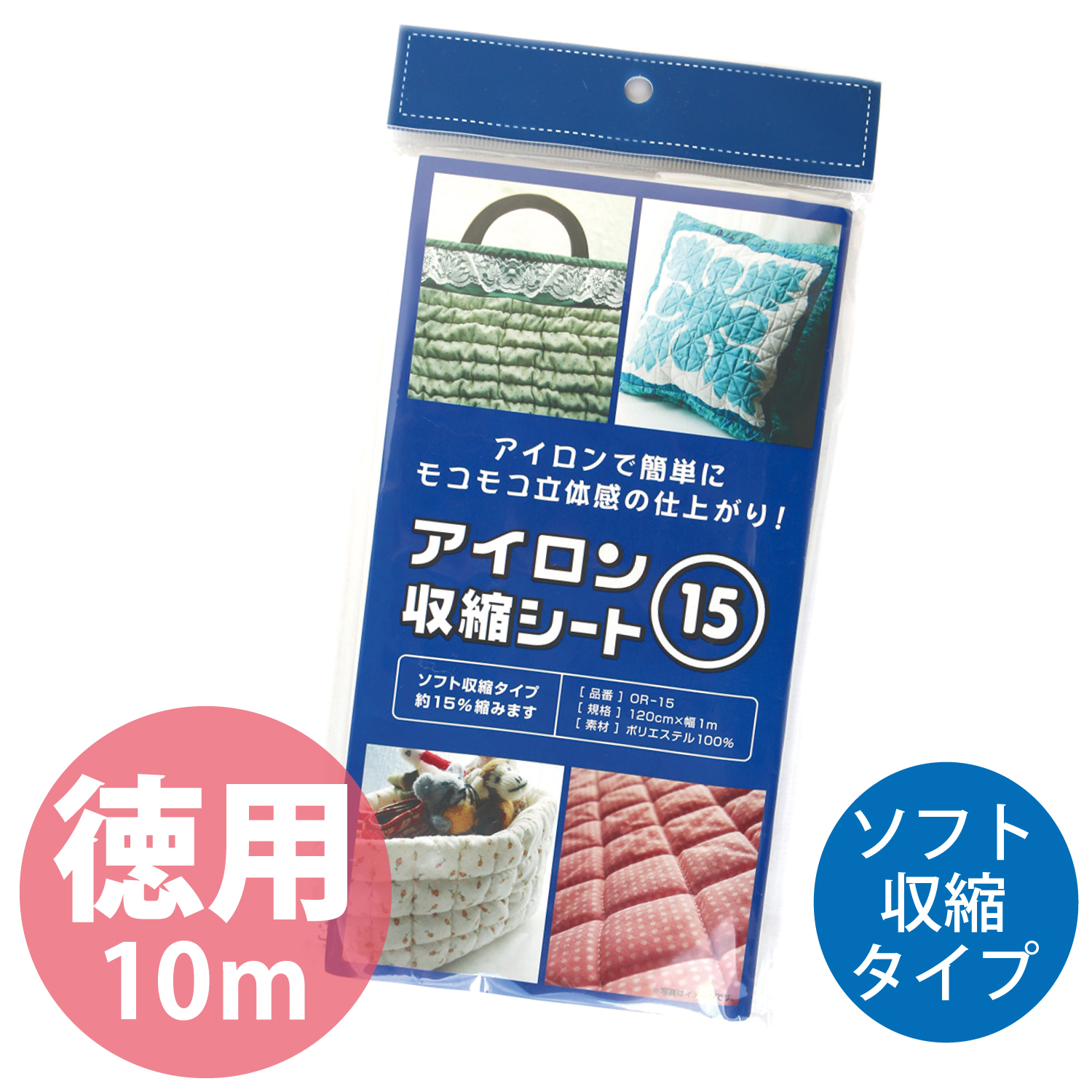
Heat-Shrink Sheets
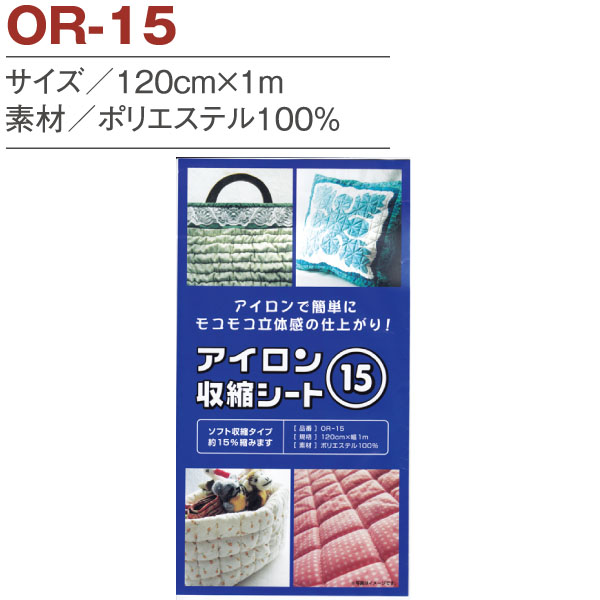
OR15 Iron-Shrink Sheet 15
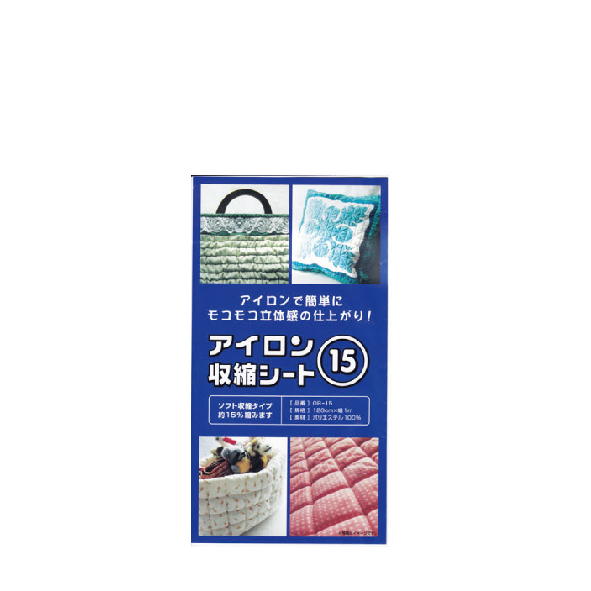
- Material: 100% Polyester
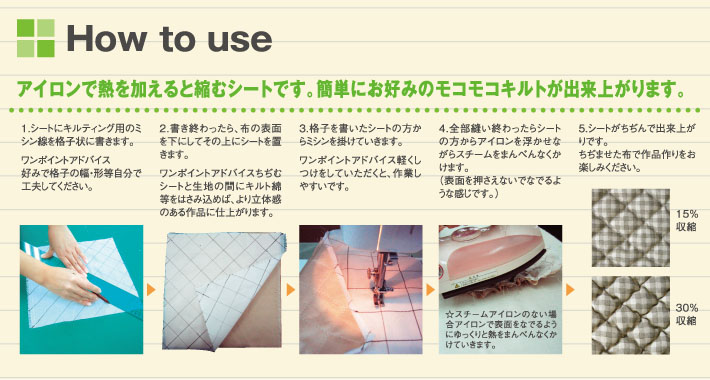
A sheet that shrinks when heat is applied with an iron. Makes quilting easy.
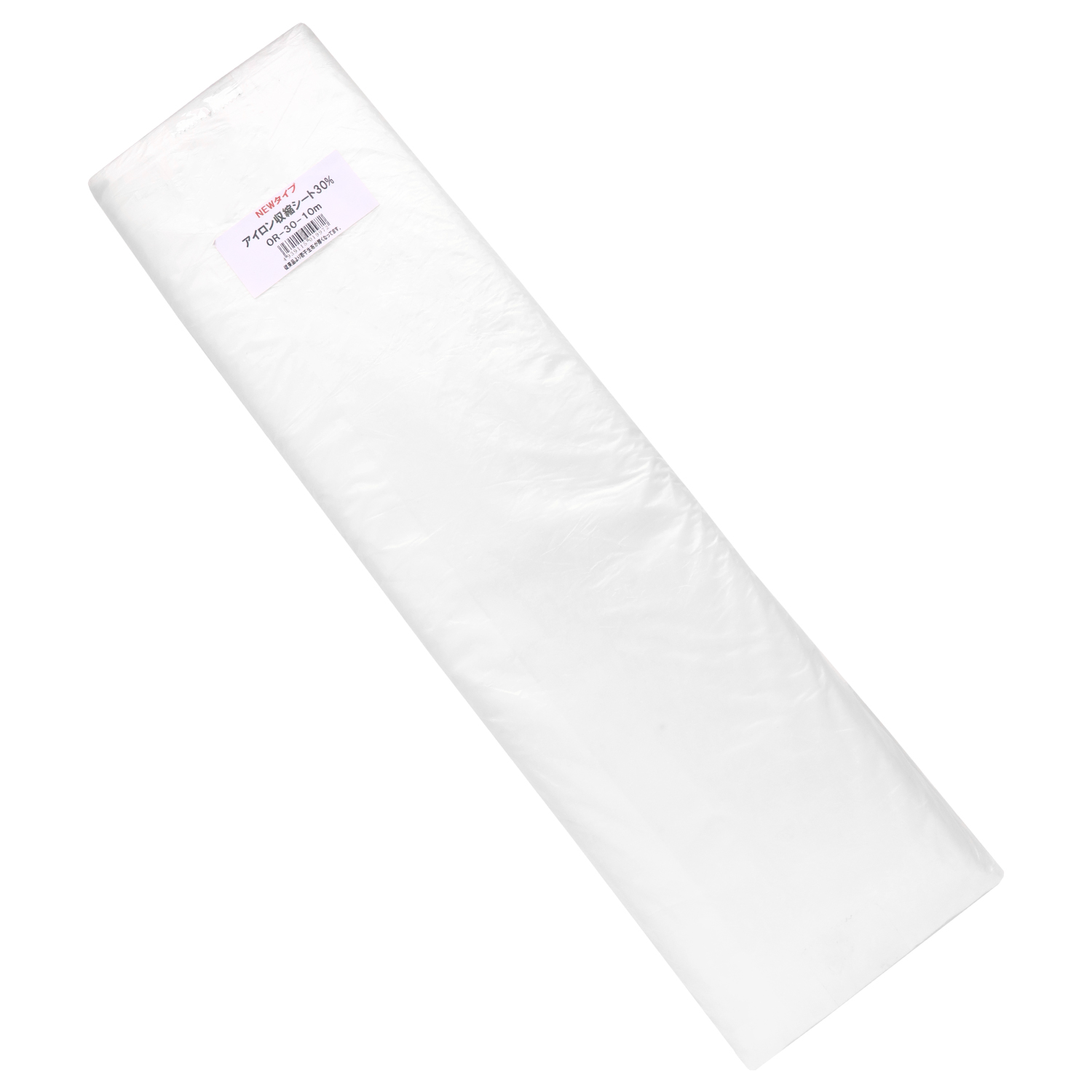
OR30 Iron-Shrink Sheet 30
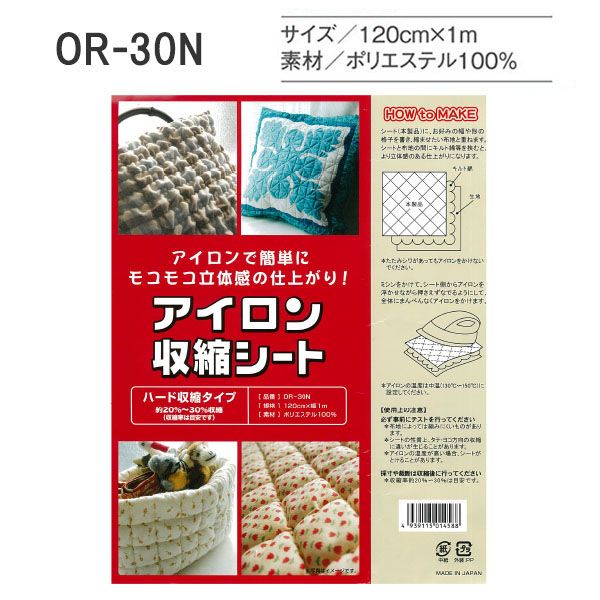
- Material: 100% Polyester
Slightly thicker than the previous version. Shrinks when heat is applied, allowing you to create quilts easily.
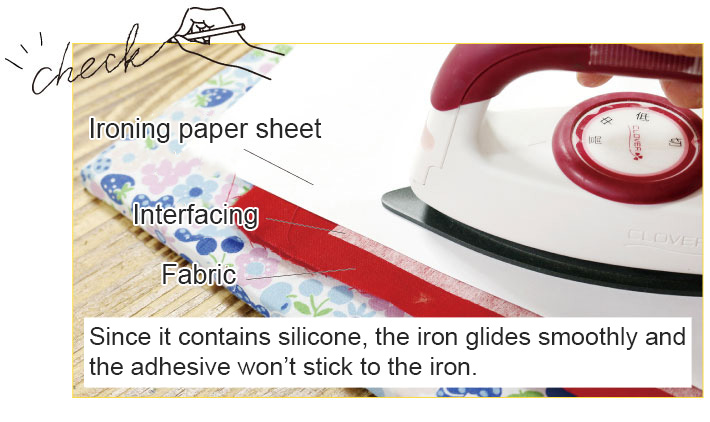
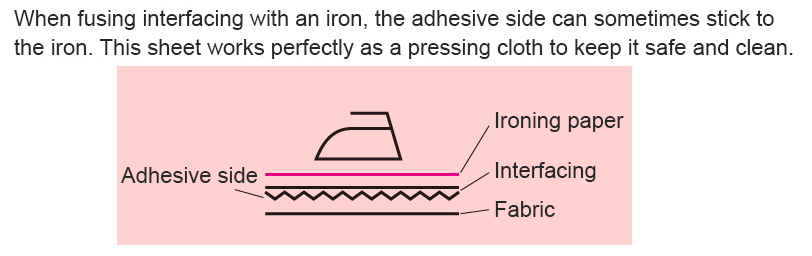
Use as a Pressing Cloth!
SMZ-1PS Iron Paper Sheet
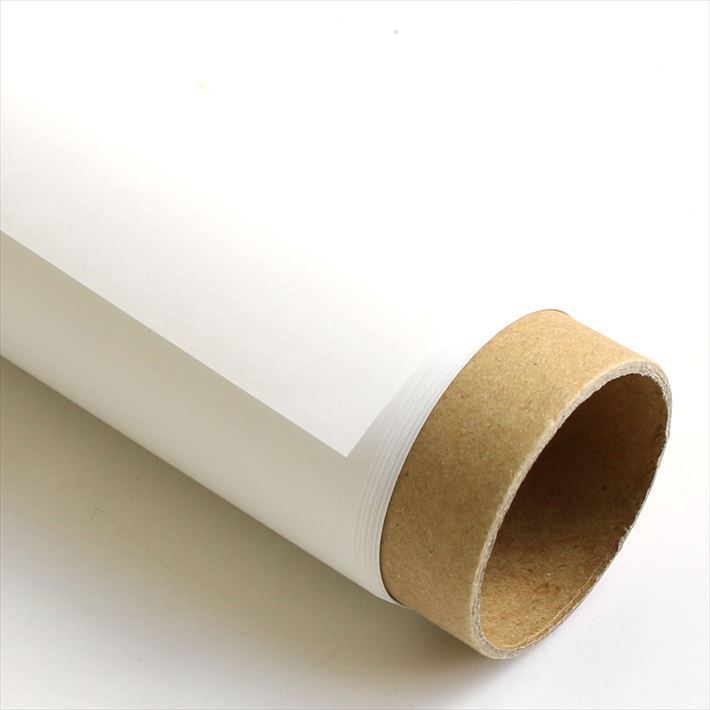
- Material: 98% Paper, 2% Silicone
When applying fusible interfacing directly with an iron, adhesive may stick to the iron. Using this iron paper sheet protects the interfacing from sticking and is extremely convenient!
Chuko Onlineオンラインストアでご注文
Chuko Online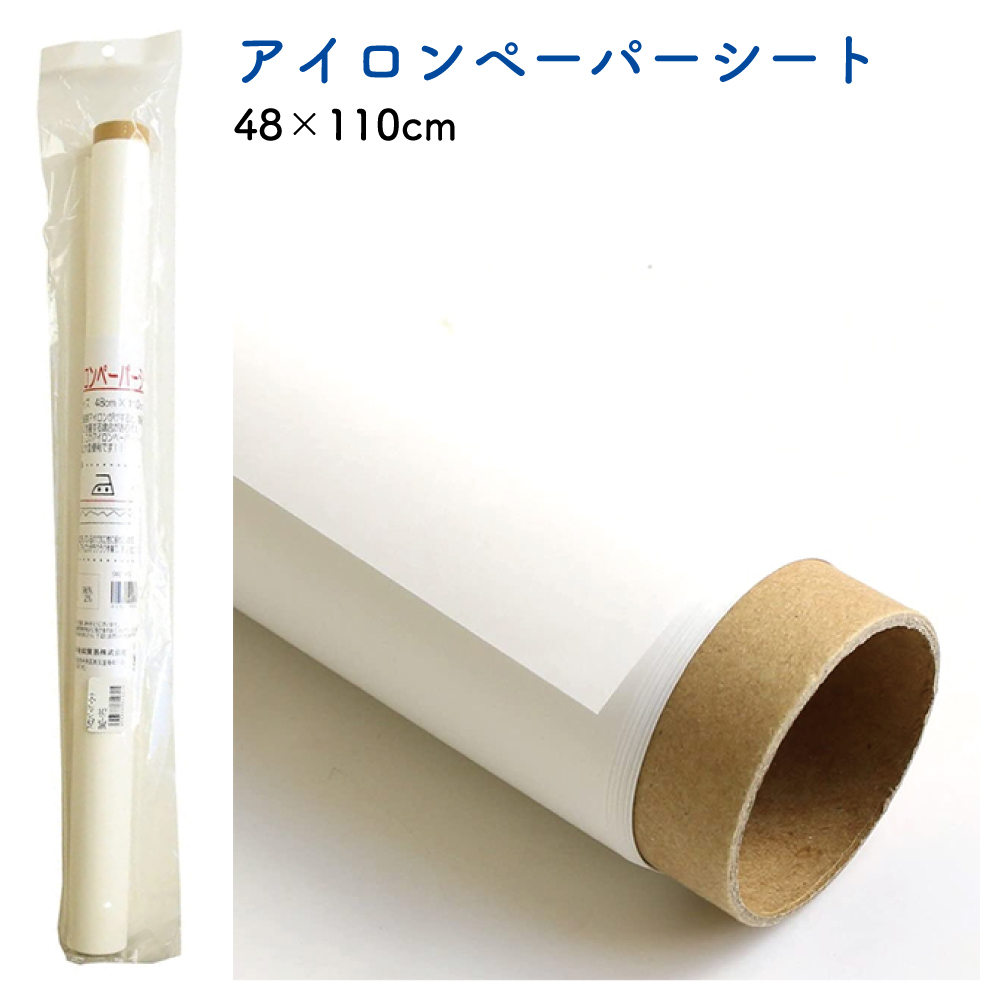
With So Many Options, Choose Your Fusible Interfacing Carefully!
We’ve introduced a wide variety of fusible interfacing so far, and it’s understandable if you’re wondering which one to choose.
At times like this, keeping the following two key points in mind makes selection much easier!
Also, if you’re shopping with us, be sure to mention these points to our staff—they’ll be happy to give you advice.
★What Type of Fabric Will You Apply It To?
It’s best to choose interfacing that matches the material and thickness of your fabric.
Note: Be careful when applying thick interfacing to thin fabric, as the adhesive may seep through to the front side.
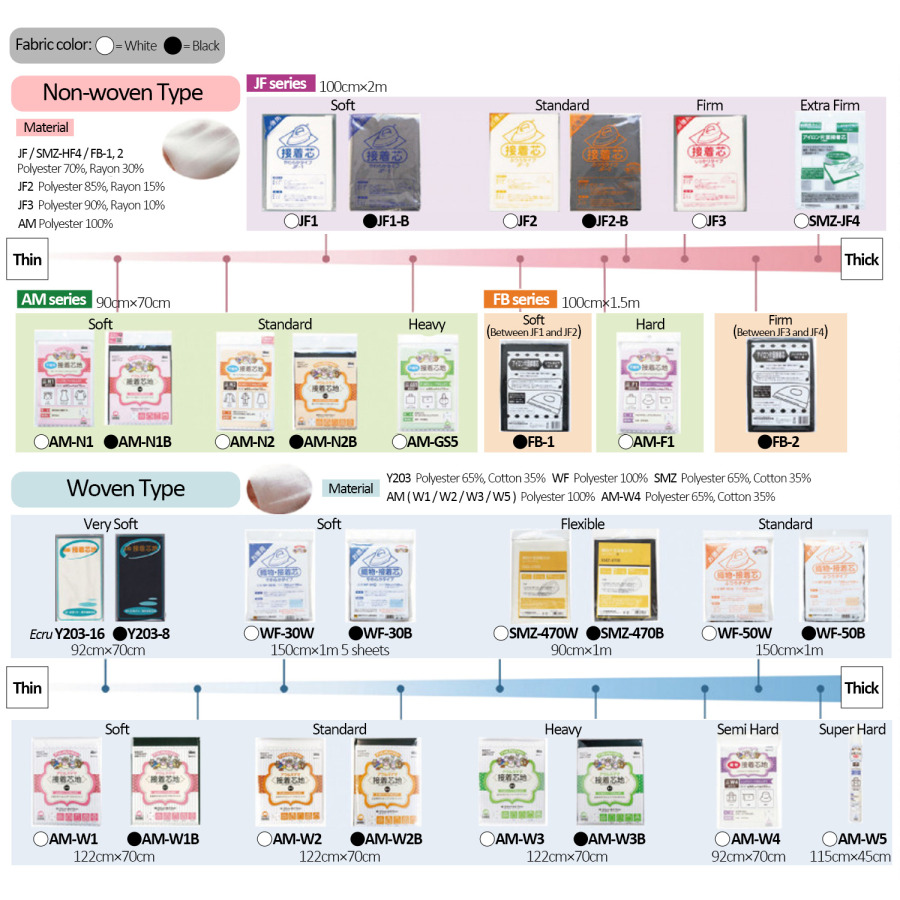
You can also refer to charts like the ones above when selecting interfacing.
Of course, each product package lists suitable materials, so please check the packaging or ask our staff when shopping in-store.
★What Kind of Finish Do You Want?
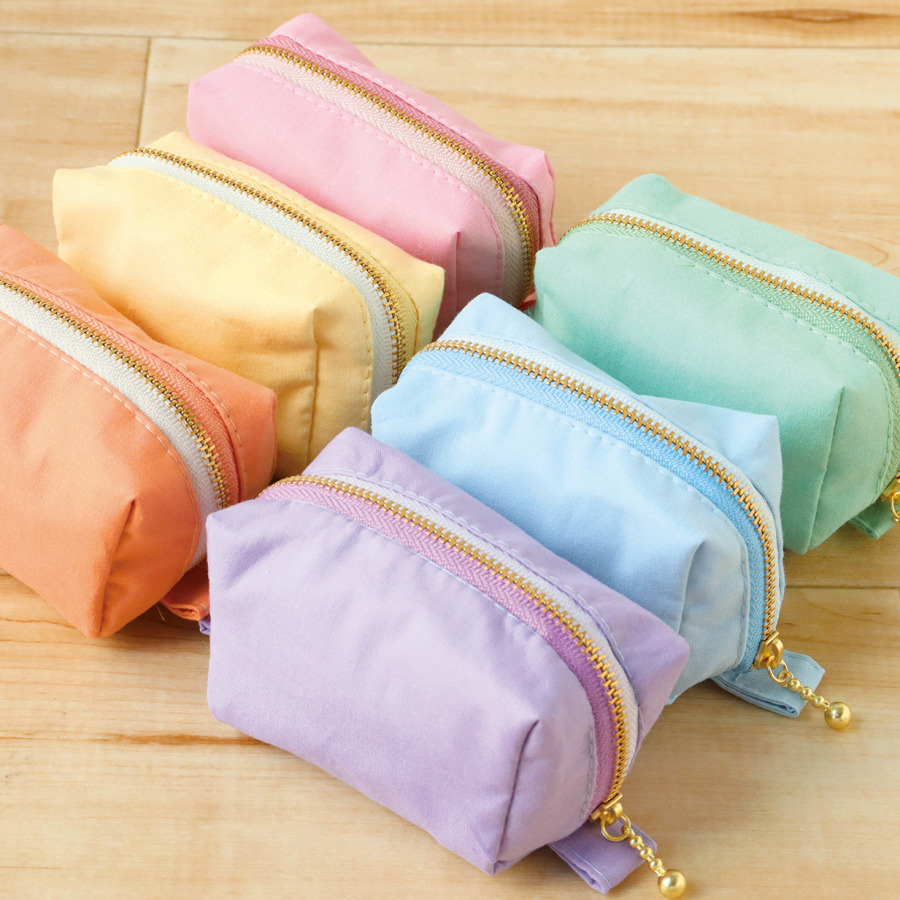
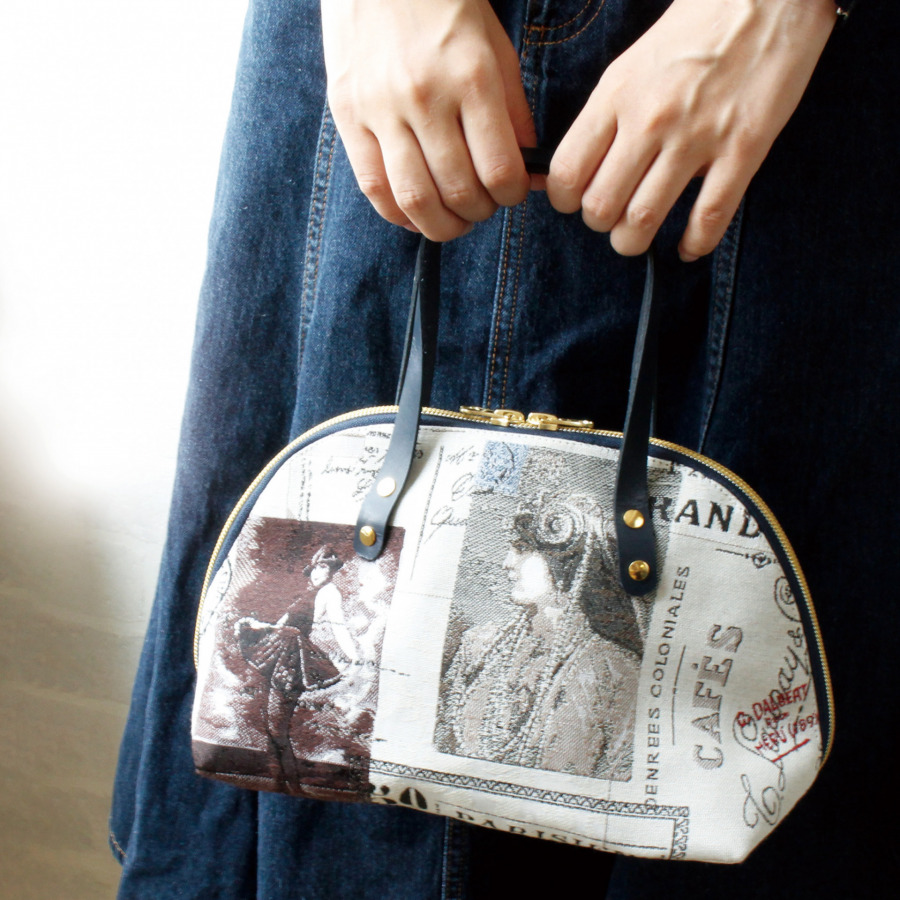
Consider what kind of finish you want for your project!
Whether you’re aiming for a soft, fluffy feel or a crisp, firm finish, selecting interfacing to match your desired outcome makes a big difference.
Fusible Interfacing – The Unsung Hero!
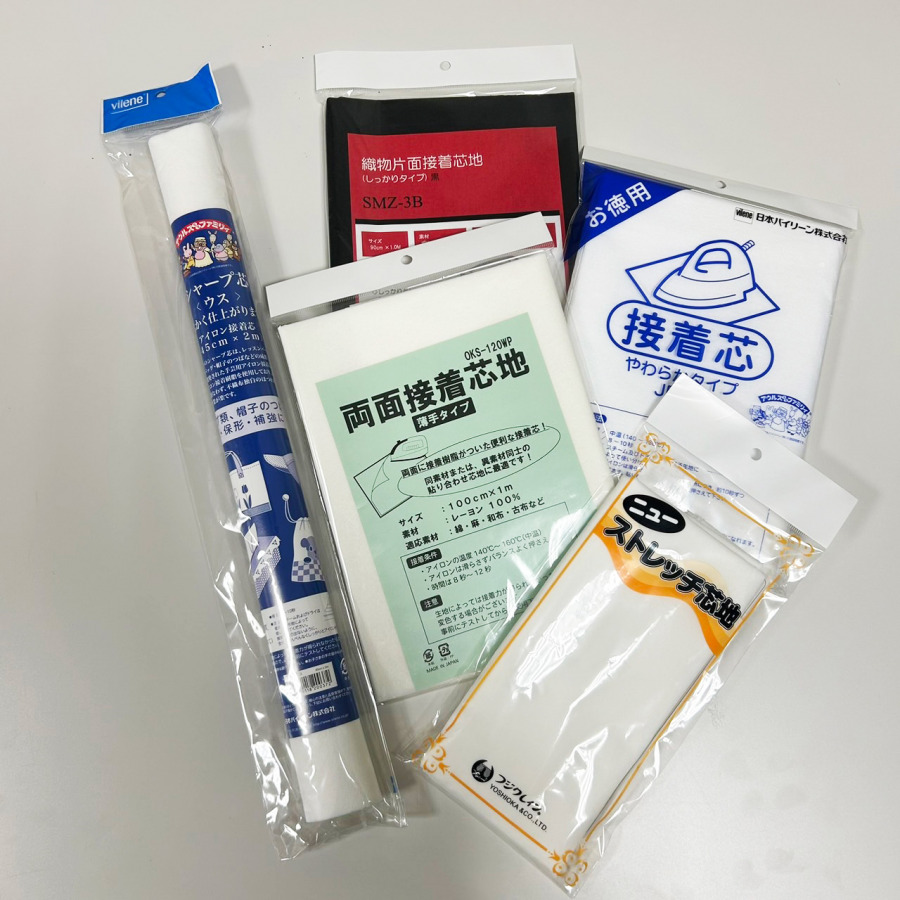
We’ve introduced the many types of fusible interfacing available. The sheer variety exists so you can pick the right product depending on the fabric and intended use.
Fusible interfacing plays an important role at every stage of sewing, from construction to the finished piece. Though it doesn’t stand out visually, it supports your project from behind the scenes.
Past Instagram Live broadcasts are now available on YouTube! Watching them will help deepen your understanding of fusible interfacing.
The more you know, the more you’ll see how fascinating and versatile it is. All these types are available on the 2nd-floor Sewing Tools and Supplies section!
If you’re unsure which product to choose, don’t hesitate to ask our staff for guidance.
Check Out Our Column on How to Apply Fusible Interfacing!
In the 2nd-floor Sewing Tools and Supplies section, we carry many other convenient sewing machines and supplies beyond the products introduced here.
If you’re visiting Osaka, please stop by and have a look!




We also share products and special offers on Instagram.
Please follow our Instagram account here!
Our Official Websites
Chuko Online: https://www.nippon-chuko.co.jp/shop
Facebook: https://www.facebook.com/nipponchuko

Chuko Onlineではみなさまに日々の手芸用品の仕入れを便利にしていただけるように、お得なセール情報などを更新しております! ▽Chuko Onlineのサイトはこちらから! https://www.nippon-chuko.co.jp/shop/ みなさまからのご注文をお待ちしております。